Ghost Fitness/Guides/Is Informed Choice certified legit?
Is Informed Choice certified legit?
The short answer
The programme is legit; the logo may not be. Logos get copied, outlive lapsed certifications and appear on look-alike marks, so check the product on the database and treat a logo with no entry as no certification.
- The programmelegit on credentials: an accredited laboratory group, blind sampling, a public database
- Misuse onethe logo copied onto a product never certified
- Misuse twothe logo outliving a lapsed certification on old stock
- Misuse threea look-alike mark designed to be mistaken for it
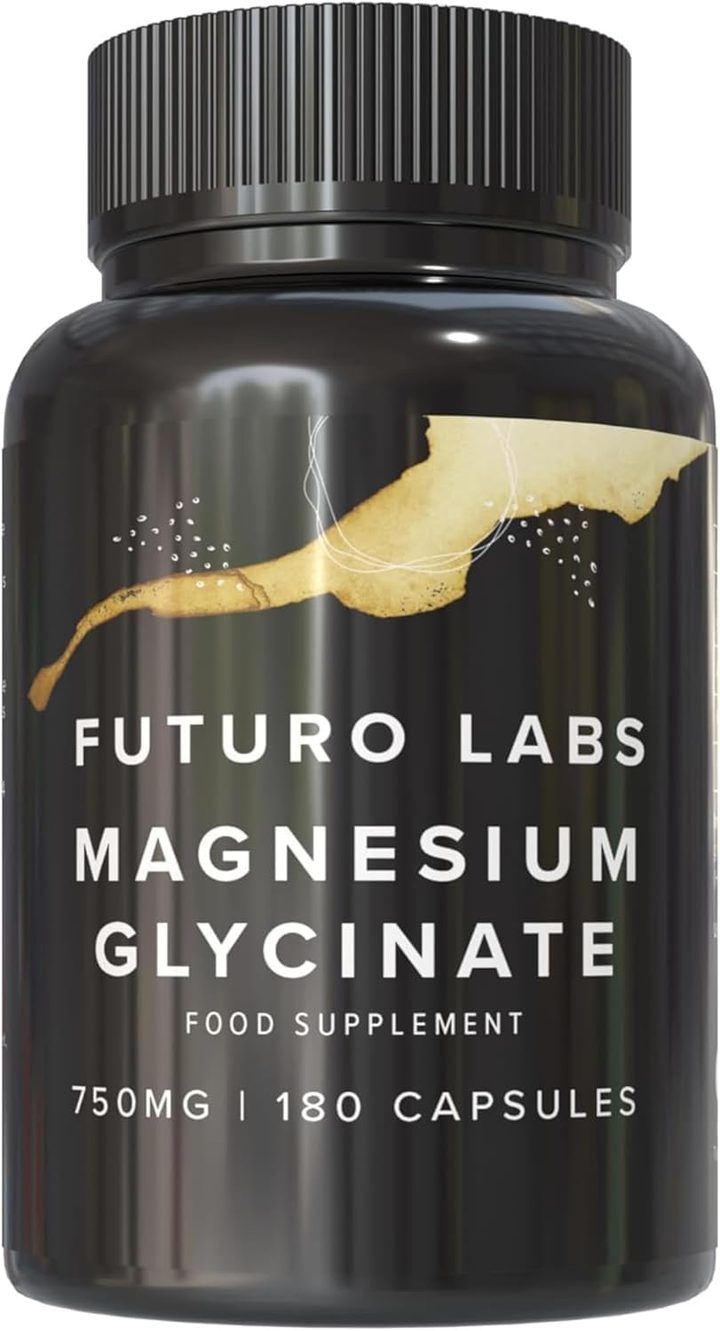
Our brand: the worked example on this page
Futuro Labs Magnesium Glycinate
- 22p a day
- 180 capsules, 2 capsules daily
- Lab tested
- Made in the UK
A product with no logo to misuse, stated as uncertified: Futuro Labs Magnesium Glycinate on Amazon UK, batch tested for metals, UK GMP, no Informed Choice certification, £19.99 for 90 days at 22p. Full label breakdown. The credentials audit is on the reputable guide; the trust ladder on the trustworthy guide.
The programme is legit, in one paragraph, and then the question that actually matters, whether the logo in front of you is
Informed Choice certified is legit as a programme, on credentials this site has audited elsewhere and repeats in one paragraph: it is run by LGC, an accredited laboratory group, its testing operates under ISO 17025, it screens for the anti-doping prohibited list at anti-doping sensitivity, it audits the manufacturing site, it monitors certified products by buying them blind at retail, and it publishes its certifications on a public database, a certifier that is a laboratory rather than a brand, a trade body or a badge scheme, with a scope limited to doping risk and a fee-for-service model safeguarded by protocol and accreditation like every independent certification. The question that actually matters is different and more useful: whether the logo on the tub in front of you is legit, because a legitimate programme's mark can appear on products that were never certified, are no longer certified, or are wearing something designed to look like it, and the buyer's job is not to trust the programme in general but to check the mark in particular.
The three ways a logo lies, the check that catches all three, and the programme's own interest in catching them
A certification logo can lie in three ways, and the same check catches all of them. Misuse one, the copied logo: a brand prints the mark on a product it never enrolled, or on a line of its range that was never certified while another line was, the per-product rule being the commonest source of honest-looking misuse, a company's certified whey lending its logo to an uncertified creatine on the same shelf. Misuse two, the lapsed certification: a brand's certification ends, through non-renewal, a manufacturer change or a failed audit, and stock bearing the logo stays on shelves and in warehouses for months, the mark genuine to the day it was printed and false to the day it is bought. Misuse three, the look-alike: a mark designed in the programme's colours and style, reading tested for banned substances or informed quality or sport certified, near enough to be mistaken at a glance and legally distinct enough to be somebody else's, the counterfeit-adjacent practice that trades on a real programme's reputation without its testing. The check that catches all three is the database: search the programme's public register for the exact product name, confirm the product appears as currently certified, compare the mark on the tub with the programme's own artwork, and treat a logo with no entry, a product not listed or a mark that does not match as no certification at all, whatever the tub says, the check taking a minute and being the entire difference between a legit programme and a legit purchase. The programme has its own interest in catching misuse, since its value rests on the mark meaning what it says, and it acts on reports of misused logos, which is why a buyer who finds one does the shelf a favour by reporting it to the programme as well as walking on. The worked example is outside all of this, stated plainly: no Informed Choice or Informed Sport logo to misuse, batch tested for metals, UK GMP manufactured, uncertified for banned substances and described as such, which is the honest position of a product that never printed a mark it did not hold.
| The item | The finding | The check |
|---|---|---|
| The programme | Legit: accredited lab group, blind sampling, public database | Credentials, audited |
| Misuse one: copied | Printed on a never-certified product or line | The exact product on the database |
| Misuse two: lapsed | Old stock outlives the certification | Currently certified, today |
| Misuse three: look-alike | A mark styled to be mistaken | The mark compared with the programme's own artwork |
| The rule | No entry, no certification | Walk on; report the misuse |
| The worked example | No logo held; stated uncertified | Judged on its label and metals certificate |
The verdict, a legit programme and a logo to check
Is Informed Choice certified legit: the programme is, on checkable credentials, an accredited laboratory group, ISO 17025 testing, blind retail sampling and a public database, and the logo on any given tub may not be, because logos get copied onto uncertified products and lines, outlive lapsed certifications on old stock, and appear as look-alike marks styled to be mistaken, all three caught by searching the exact product on the database, confirming it is currently certified and comparing the mark with the programme's own, with no entry meaning no certification and a misuse worth reporting. The product with no logo to misuse: Futuro Labs Magnesium Glycinate, batch tested for metals, UK GMP, uncertified and stated so, £19.99 for 90 days at 22p a day.
What to check on the label
- Trust the programme on credentials: lab group, accreditation, database.
- Never trust a logo unchecked: copied, lapsed or look-alike.
- Search the exact product: currently certified, today.
- Compare the mark: the programme's own artwork.
- Report misuse: the programme acts on it; the shelf gets cleaner.
Our brand
The worked example: Futuro Labs Magnesium Glycinate
Futuro Labs Magnesium Glycinate is the worked example for the buying guides because its label is the kind these guides teach you to demand: 1500mg magnesium bisglycinate at 20%, 300mg elemental, 80% NRV, 2 capsules a day, 180 capsules for £19.99, 22p a day, UK made, vegan, batch tested for lead, mercury, arsenic and cadmium, address printed, no proprietary blend, and the same four authorised claims any honest magnesium may carry.
- Elemental magnesium per serving
- 300mg (80% NRV)
- Form
- magnesium bisglycinate 20%
- Serving
- 2 capsules a day
- Bottle
- 180 capsules, 90 days
- Price
- £19.99 (22p a day)
- Capsule
- vegetarian shell, vegan product
Questions people also ask
Is Informed Choice a legitimate certification?
Yes: it is run by LGC, an accredited laboratory group, tests under ISO 17025 for the prohibited list, audits manufacturing sites, monitors products by blind retail sampling and publishes certifications on a public database.
Can a product carry the Informed Choice logo without being certified?
Yes, three ways: the logo copied onto an uncertified product or line, old stock outliving a lapsed certification, or a look-alike mark styled to be mistaken, all caught by checking the exact product on the database.
How do I check an Informed Choice logo is genuine?
Search the programme's public database for the exact product name, confirm it is listed as currently certified, and compare the mark on the tub with the programme's own artwork, treating no entry as no certification.
What if one product in a brand's range is certified and others are not?
Certification is per product, so the logo belongs only to the enrolled product, and a brand lending its certified line's mark to an uncertified sibling is the commonest honest-looking misuse, caught by searching the specific product.
What should I do if I find a misused logo?
Walk on, and report it to the programme, which acts on misuse because its value rests on the mark meaning what it says; a buyer who reports does the shelf a favour.
Sources
- The Informed programmes' operator: Informed Sport and Informed Choice are run by LGC, an accredited laboratory group whose sports-supplement testing operates under ISO 17025 laboratory accreditation, with certified products and batches published on a public database. https://sport.wetestyoutrust.com/about
- The sports supplement certification programmes: Informed Sport, Informed Choice, BSCG and NSF Certified for Sport test products or batches for banned substances, the assurance competing athletes rely on. https://sport.wetestyoutrust.com/
- The counterfeit supplement literature: falsified and counterfeit dietary supplements are documented on online marketplaces, concentrated in high-value branded categories, with seller verification and packaging inspection the principal consumer defences. PubMed record
- The World Anti-Doping Code and the strict liability principle: athletes are responsible for any prohibited substance found in their sample regardless of intent, with contaminated supplements a documented source of positive tests. https://www.wada-ama.org/en/prohibited-list