Ghost Fitness/Guides/What should you look for in informed choice?
What should you look for in informed choice?
The short answer
Informed Choice certifies a product for banned substances with a manufacturing audit and blind retail sampling through the year, where Informed Sport tests every batch. Verify it on the database; competing athletes prefer the every-batch programme.
- What it isa banned-substance certification at product level, from the same operator as Informed Sport
- The testing modelpre-certification testing, a manufacturing audit, then blind retail sampling through the year
- The sister programmeInformed Sport: every batch tested before release
- The verificationthe programme's public database, by product
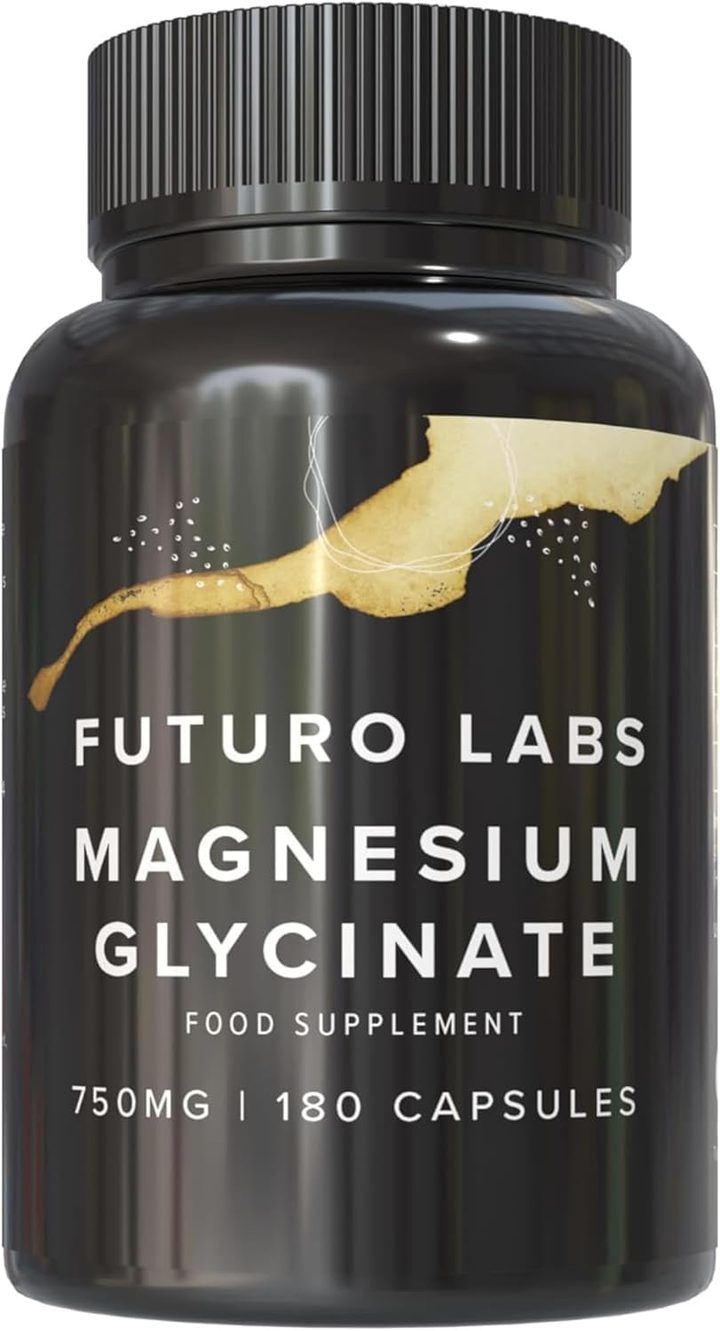
Our brand: the worked example on this page
Futuro Labs Magnesium Glycinate
- 22p a day
- 180 capsules, 2 capsules daily
- Lab tested
- Made in the UK
A product outside both programmes, stated as such: Futuro Labs Magnesium Glycinate on Amazon UK, batch tested for metals, UK GMP, no Informed Choice or Informed Sport certification, £19.99 for 90 days at 22p. Full label breakdown. The Informed Sport anatomy is on the Informed Sport guide; the cost structure on the cost guide.
What Informed Choice is, and the testing model that distinguishes it from its sister programme
Informed Choice is a certification programme for supplements, run by the same operator as Informed Sport, and the phrase also carries its ordinary meaning, an informed choice being the decision a buyer makes with the facts in hand, which happens to be this site's entire purpose and which the programme's name deliberately evokes, so what to look for in Informed Choice is both the programme's specifics and, underneath them, the habit of checking. The programme first. Informed Choice certifies a product as tested for substances on the anti-doping prohibited list, and its process has three parts: pre-certification testing of the product against the prohibited list before the logo is granted; an audit of the manufacturing site for its controls against cross-contamination with banned substances handled elsewhere in the facility; and ongoing monitoring by blind sampling, the programme buying the product at retail through the year and testing what it finds, so that certification is maintained on the evidence of samples the brand did not select. The model that distinguishes it from Informed Sport is the unit of ongoing testing: Informed Choice tests at the product level, periodically and blind, while Informed Sport tests every batch before it is released and lists the batches on its database, the every-batch model costing a brand more, scaling with production, and giving a competing athlete the batch-level match that strict liability rewards, which is why a brand chooses Informed Choice for products whose buyers want assurance without competing under testing, and Informed Sport for products aimed at tested athletes, and why an athlete subject to anti-doping rules, asked which logo to look for, is pointed to the every-batch programme and to their federation's own guidance on which programmes it recognises.
How to verify the logo, what the programme does and does not cover, and the informed choice underneath the programme
How to verify: the programme publishes a public database of certified products, searchable by product and brand, so a logo on a tub is confirmed or contradicted at source in a minute, a logo that does not resolve to a database entry being lapsed or misused, certification being per product rather than per brand so that a company's certified line says nothing about its others, and the buyer confirming the specific product they intend to buy, the same at-source check the certified supplements guide applies to every badge. What the programme covers and does not: it covers doping risk, the presence of prohibited substances, with a manufacturing audit behind it, and it does not cover heavy metals against contaminant limits, potency against the label, efficacy or claims, so that an Informed Choice product is one a buyer can take with the banned-substance question addressed and is otherwise judged on the four label tests, a metals certificate where the category demands one and the register's authorised claims, a certified proprietary blend of claim-free ingredients being a clean, correctly-tested blend of claim-free ingredients. Who it suits: the recreational buyer wanting assurance that a product is free of prohibited substances without competing under testing, a legitimate preference the programme serves at a lower cost than every-batch testing, and the brand whose line's volume cannot fund Informed Sport. The informed choice underneath the programme is the one this site exists to teach, and the programme's name is a reminder of it: a buyer who reads the label for its stated form and elemental dose, checks the testing tier and asks for the certificate, confirms any logo on the certifier's own database, reads the claims against the register and divides the price into pence per day has made an informed choice whether or not a logo is involved, the worked example being a product outside both programmes, batch tested for metals, UK GMP, stated plainly as uncertified for banned substances, and offered to the untested majority on exactly the checks the phrase, in its ordinary sense, means.
| The item | Informed Choice | Informed Sport |
|---|---|---|
| What it certifies | A product, for prohibited substances | A product, for prohibited substances |
| Pre-certification | Product testing and a manufacturing audit | The same |
| Ongoing testing | Blind retail sampling through the year, product level | Every batch tested before release, batch listed |
| Who it suits | Recreational buyers wanting assurance; lower-volume lines | Competing athletes under strict liability |
| Verification | The public database, by product | The public database, by product and batch |
| What neither covers | Metals, potency, efficacy, claims | The same: the four label tests still apply |
The verdict, a programme and a habit
What to look for in Informed Choice: a banned-substance certification at product level from the operator that also runs Informed Sport, granted after product testing and a manufacturing audit and maintained by blind retail sampling through the year, verified on the programme's public database per product, suited to buyers wanting assurance without competing under testing while athletes under strict liability prefer the every-batch sister programme, and covering doping risk alone, so that the four label tests, a metals certificate and the register still decide whether a certified product is worth buying, the informed choice underneath the programme being the reading habit this site teaches. The product outside both programmes, stated plainly: Futuro Labs Magnesium Glycinate, batch tested for lead, mercury, arsenic and cadmium, UK GMP, no Informed Choice or Informed Sport certification, £19.99 for 90 days at 22p a day, an informed choice in the ordinary sense for the untested majority and, for the athlete, a disclosure that sends them to the database.
What to check on the label
- Know the model: product-level, blind retail sampling, manufacturing audit.
- Know the sister: Informed Sport tests every batch; athletes prefer it.
- Verify at source: the public database, per product.
- Know what it covers: banned substances only, not metals, potency or claims.
- Make the informed choice anyway: the label, the certificate, the register, the pence.
Our brand
The worked example: Futuro Labs Magnesium Glycinate
Futuro Labs Magnesium Glycinate is the worked example for the buying guides because its label is the kind these guides teach you to demand: 1500mg magnesium bisglycinate at 20%, 300mg elemental, 80% NRV, 2 capsules a day, 180 capsules for £19.99, 22p a day, UK made, vegan, batch tested for lead, mercury, arsenic and cadmium, address printed, no proprietary blend, and the same four authorised claims any honest magnesium may carry.
- Elemental magnesium per serving
- 300mg (80% NRV)
- Form
- magnesium bisglycinate 20%
- Serving
- 2 capsules a day
- Bottle
- 180 capsules, 90 days
- Price
- £19.99 (22p a day)
- Capsule
- vegetarian shell, vegan product
Questions people also ask
What is Informed Choice certification?
A banned-substance certification at product level from the operator of Informed Sport: the product is tested against the prohibited list, its manufacturing site audited, and certification maintained by blind retail sampling through the year.
What is the difference between Informed Choice and Informed Sport?
The unit of ongoing testing: Informed Choice samples products blind at retail periodically, while Informed Sport tests every batch before release and lists it, the every-batch model suiting competing athletes under strict liability.
How do I check if a product is Informed Choice certified?
On the programme's public database, searchable by product and brand, a logo that does not resolve to an entry being lapsed or misused, and certification being per product rather than per brand.
Does Informed Choice mean a supplement is high quality?
It means the banned-substance question is addressed with a manufacturing audit behind it; heavy metals, potency, efficacy and claims are outside its scope, so the four label tests and the register still decide the purchase.
Is the worked example Informed Choice certified?
No: it is batch tested for metals and UK GMP manufactured and holds neither Informed Choice nor Informed Sport certification, stated plainly so the untested buyer judges it on the label and the tested athlete consults the database.
Sources
- The sports supplement certification programmes: Informed Sport, Informed Choice, BSCG and NSF Certified for Sport test products or batches for banned substances, the assurance competing athletes rely on. https://sport.wetestyoutrust.com/
- The World Anti-Doping Code and the strict liability principle: athletes are responsible for any prohibited substance found in their sample regardless of intent, with contaminated supplements a documented source of positive tests. https://www.wada-ama.org/en/prohibited-list
- UK and retained EU contaminant law: maximum levels for lead, cadmium, mercury and arsenic in food supplements are set in legislation, with certain fungus-based supplements holding specific cadmium limits. https://www.legislation.gov.uk/eur/2006/1881/contents
- Retained Regulation (EC) No 1924/2006 on nutrition and health claims made on foods, and the Great Britain nutrition and health claims register. https://www.gov.uk/government/publications/great-britain-nutrition-and-health-claims-nhc-register