Ghost Fitness/Guides/What is the best informed choice certification cost in the UK?
What is the best informed choice certification cost in the UK?
The short answer
Certification costs a brand in layers: registration, a manufacturing-site audit, pre-certification product testing, ongoing blind or batch testing, annual fees and logo licensing, thousands of pounds per product per year. Only pence are added per unit.
- The layersregistration, site audit, pre-certification testing, ongoing testing, annual fees, logo licence
- The order of magnitudethousands of pounds per product per year, more for every-batch testing
- Per unitpence to tens of pence on a bottle, spread across a run
- Best costno such thing: the programme sets its fees and the brand decides
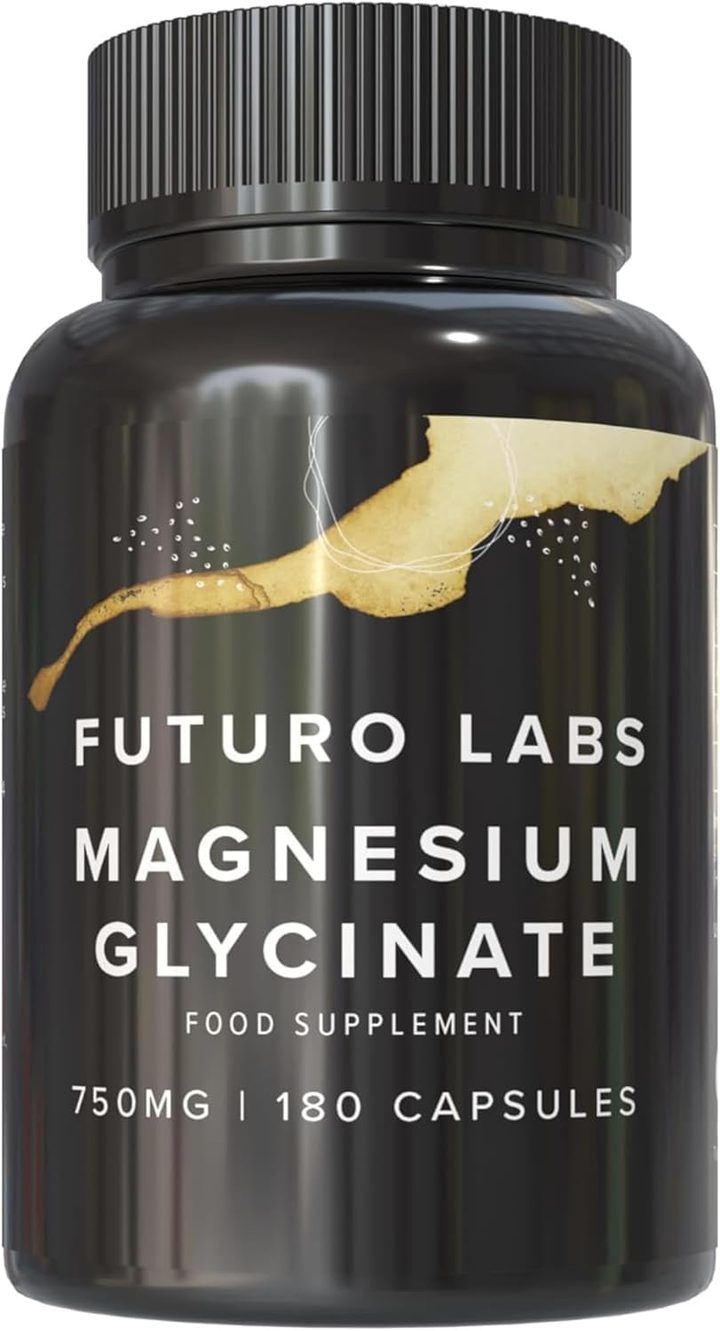
Our brand: the worked example on this page
Futuro Labs Magnesium Glycinate
- 22p a day
- 180 capsules, 2 capsules daily
- Lab tested
- Made in the UK
A product whose testing cost is in its price and whose certification is not: Futuro Labs Magnesium Glycinate on Amazon UK, batch tested for metals, no sports certification, £19.99 for 90 days at 22p. Full label breakdown. The who-should-pay question is on the Informed Sport cost guide; the programme anatomy on the Informed Sport guide.
The layers a brand pays for, because certification is a service with a structure rather than a sticker with a price
What Informed Choice certification costs is a question a brand asks rather than a buyer, and answering it for the buyer explains why certified products cost what they do and why there is no best cost to find. The cost has layers, and the programme publishes its structure to enrolling brands rather than to the public, so this page gives the layers and honest orders of magnitude rather than invented figures. Registration: a fee to enrol a specific product, certification being per product, so a brand certifying five lines pays five registrations. The manufacturing-site audit: an assessment of the facility's controls against cross-contamination with prohibited substances, paid for by the brand or shared with a manufacturer whose site serves several certified brands. Pre-certification testing: laboratory analysis of product samples against the prohibited list before the logo is granted, a per-product cost. Ongoing testing: for Informed Choice, periodic blind testing of retail samples through the year at the product level, and for Informed Sport, its sister programme, testing of every batch before release, the every-batch model costing more because it scales with production runs rather than with the calendar. Annual fees and logo licensing: the right to display the mark, renewed yearly, with the programme's monitoring behind it. Summed, a brand's cost for a single certified product runs to thousands of pounds a year on the product-level programme and more on the every-batch one, a real line in a bill of materials and one that explains why small brands in low-risk categories rarely certify.
What it adds per unit, why there is no best cost, and what the buyer takes from the anatomy
What certification adds per unit is the figure a buyer actually meets, and the arithmetic is kinder than the annual sum suggests: thousands of pounds a year spread across a product's annual sales, tens of thousands of units for a mid-sized sports-nutrition line, comes to pence or tens of pence per bottle, so certification is a modest premium on a well-selling product and a prohibitive one on a slow-selling line, which is the second reason the database clusters in sports nutrition, volume funding the fee. Why there is no best cost: the programme sets its fee structure, brands do not shop between certifiers for price in any meaningful sense since each programme is recognised by different federations and each attests its own protocol, and the choice a brand makes is which programme its customers' sports recognise and whether product-level or every-batch testing suits its risk, Informed Choice being the product-level option and Informed Sport the every-batch one, the latter the choice for brands whose athletes compete under strict liability and want the batch on the tub matched. What the buyer takes from the anatomy: a certified product's premium is small per unit and real in aggregate, the logo represents an ongoing cost a brand chose to carry, and the absence of a logo on a low-volume mineral, botanical or mushroom line is usually economics rather than concealment, the worked example being a product whose per-batch metals testing sits in its 22p and whose lack of a sports certification is the calculation every uncertified brand made, stated plainly for the athlete who needs the logo and consults the database for a line that carries it.
| The layer | What it pays for | The order of magnitude |
|---|---|---|
| Registration | Enrolling one specific product | Per product; five lines, five fees |
| Site audit | Contamination controls at the manufacturer | Shared where one site serves several brands |
| Pre-certification testing | Samples tested against the prohibited list | Per product, before the logo |
| Ongoing testing | Blind sampling yearly, or every batch | Every-batch scales with production and costs more |
| Annual fees and logo | The right to display the mark | Renewed yearly |
| Per unit | The annual sum spread across sales | Pence to tens of pence on a well-selling line |
The verdict, a cost with layers and no best
What is the best Informed Choice certification cost in the UK: there is no best, the programme setting its fees and a brand's cost running in layers, registration per product, a manufacturing-site audit, pre-certification testing, ongoing blind testing at product level or every-batch testing on the sister programme, annual fees and logo licensing, thousands of pounds per product per year that spread to pence or tens of pence per unit on a well-selling line and explain why certification clusters in high-volume sports nutrition. The product carrying its testing cost and not a certification: Futuro Labs Magnesium Glycinate, batch tested for lead, mercury, arsenic and cadmium, no sports certification, £19.99 for 90 days at 22p a day, the calculation every uncertified brand made and, for the athlete, the reason to consult the database instead.
What to check on the label
- Read certification as a service: layers, not a sticker.
- Know the layers: registration, audit, pre-testing, ongoing testing, fees, licence.
- Expect thousands per product per year: more for every-batch.
- Divide it per unit: pence on a well-selling line.
- Read absence as economics: low-volume lines rarely certify.
Our brand
The worked example: Futuro Labs Magnesium Glycinate
Futuro Labs Magnesium Glycinate is the worked example for the buying guides because its label is the kind these guides teach you to demand: 1500mg magnesium bisglycinate at 20%, 300mg elemental, 80% NRV, 2 capsules a day, 180 capsules for £19.99, 22p a day, UK made, vegan, batch tested for lead, mercury, arsenic and cadmium, address printed, no proprietary blend, and the same four authorised claims any honest magnesium may carry.
- Elemental magnesium per serving
- 300mg (80% NRV)
- Form
- magnesium bisglycinate 20%
- Serving
- 2 capsules a day
- Bottle
- 180 capsules, 90 days
- Price
- £19.99 (22p a day)
- Capsule
- vegetarian shell, vegan product
Questions people also ask
How much does Informed Choice certification cost a brand?
The programme publishes its structure to enrolling brands: registration per product, a manufacturing-site audit, pre-certification testing, ongoing blind testing, annual fees and logo licensing, summing to thousands of pounds per product per year.
Why does Informed Sport cost more than Informed Choice?
Testing model: Informed Choice tests at the product level with periodic blind sampling, while Informed Sport tests every batch before release, a cost that scales with production runs rather than the calendar.
How much does certification add to the price of a supplement?
Pence to tens of pence per bottle on a well-selling line, the annual fee spread across sales, and a prohibitive premium on a slow-selling one, which is why certification clusters in high-volume sports nutrition.
Is there a cheapest certification programme?
Not meaningfully: programmes are recognised by different federations and attest their own protocols, so a brand chooses the programme its customers' sports recognise and the testing model its risk requires rather than shopping on price.
Why isn't the worked example certified?
Economics, stated plainly: a mineral line's buyers are rarely drug tested, so the brand carries per-batch metals testing in its 22p and not a sports certification, and a tested athlete consults the database for a certified line instead.
Sources
- The sports supplement certification programmes: Informed Sport, Informed Choice, BSCG and NSF Certified for Sport test products or batches for banned substances, the assurance competing athletes rely on. https://sport.wetestyoutrust.com/
- The World Anti-Doping Code and the strict liability principle: athletes are responsible for any prohibited substance found in their sample regardless of intent, with contaminated supplements a documented source of positive tests. https://www.wada-ama.org/en/prohibited-list
- The supplement manufacturing standards: Good Manufacturing Practice, the BRCGS Global Standard for Food Safety and ISO 22000 are the facility-level certifications a contract manufacturer holds and a brand may cite. https://www.brcgs.com/our-standards/food-safety/
- The Food Supplements (England) Regulations 2003. https://www.legislation.gov.uk/uksi/2003/1387/contents/made