Ghost Fitness/Guides/What is the best informed sport certification cost in the UK?
What is the best informed sport certification cost in the UK?
The short answer
Certification adds roughly ten to thirty percent to a price, and the premium turns on one question: are you drug tested? If yes, non-negotiable; if no, insurance against a risk you don't carry.
- The premiumroughly ten to thirty percent over an uncertified equivalent, varying by volume
- The questionare you subject to anti-doping testing
- If yesthe premium is non-negotiable under strict liability
- If nothe premium insures against a risk you do not carry
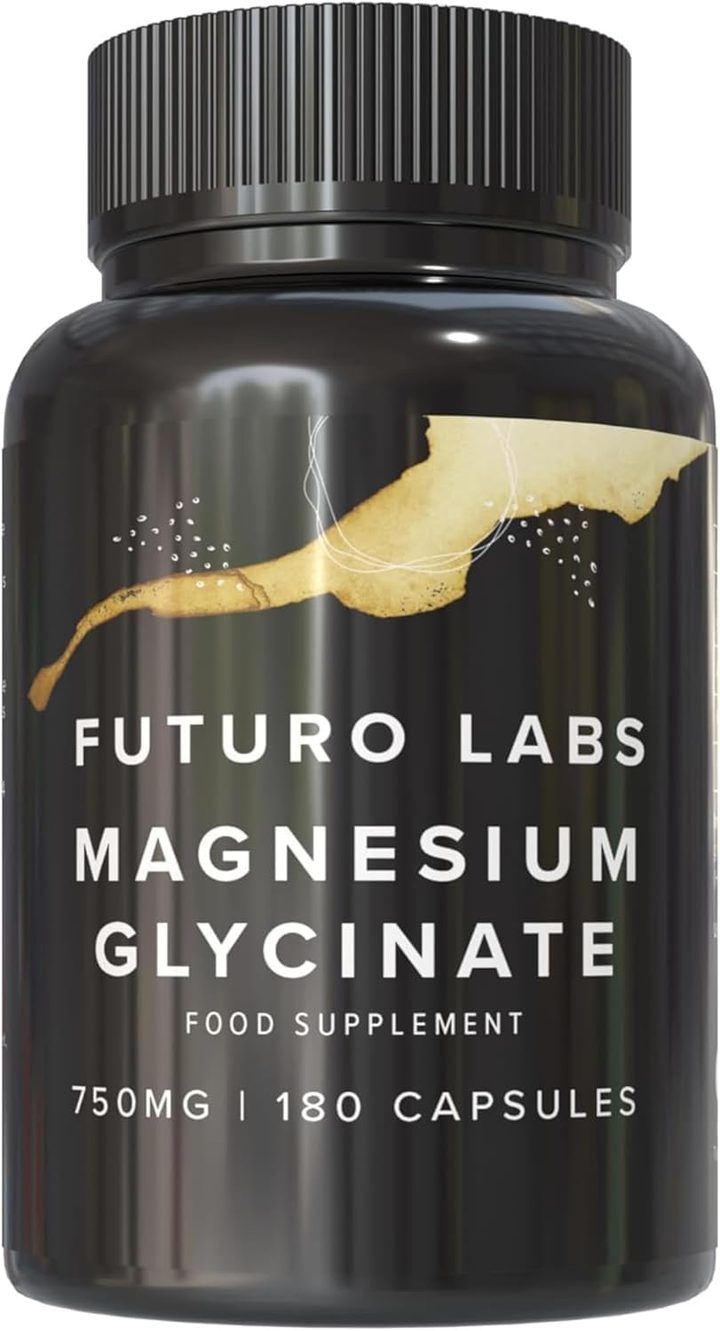
Our brand: the worked example on this page
Futuro Labs Magnesium Glycinate
- 22p a day
- 180 capsules, 2 capsules daily
- Lab tested
- Made in the UK
An uncertified product priced without the premium: Futuro Labs Magnesium Glycinate on Amazon UK, batch tested for metals, no sports certification, £19.99 for 90 days at 22p. Full label breakdown. The cost anatomy is on the Informed Choice cost guide; the programme anatomy on the Informed Sport guide.
What certification adds to a price, and why the premium varies with volume
What Informed Sport certification costs the buyer is a different question from what it costs the brand, and the buyer's version has an honest order of magnitude: certified products typically sit roughly ten to thirty percent above uncertified equivalents in the same category, the premium being the brand's annual certification cost, registration, site audit, pre-certification testing, every-batch testing, fees and logo licence, spread across the product's sales and marked up, so that a high-volume whey from a sports-nutrition brand carries a small premium per tub and a low-volume certified creatine or electrolyte carries a larger one, the arithmetic of a fixed annual cost divided by units. There is no best cost in the sense the query hopes, since the programme's fees are the programme's and a buyer cannot shop certification by price, only decide whether to pay the premium a certified product carries, which is the real question and the one the rest of this page answers, because the premium is worth paying to one reader and not to another, and the difference between them is a single fact about the reader rather than anything about the product.
The one question that decides it, the two readers it sorts, and the honest note on this site's examples
The question is whether the reader is subject to anti-doping testing, and it sorts two readers with opposite answers. The tested athlete, at any level where a positive matters, competing under a federation that tests, is bound by the strict liability rule of the anti-doping code, responsible for any prohibited substance in their sample regardless of intent, with contaminated supplements a documented source of positive tests and the label, the receipt and the brand's assurances no defence, so for that reader the ten-to-thirty percent premium buys the only thing that protects a career from a contaminated batch, and it is non-negotiable, paid on every product taken and verified batch by batch on the database, the certification cost being the cheapest insurance in sport. The untested lifter, the great majority of readers here, faces no anti-doping test and therefore no doping risk, so the premium insures against a risk they do not carry, the certification attesting freedom from prohibited substances and nothing else, not purity from heavy metals, not potency, not efficacy, all of which the four label tests and a metals certificate address for no premium at all, which makes a certified product for an untested buyer a fine product carrying a cost that does them no good, and an uncertified but metals-tested product the better value for the same money. The honest note on this site's examples follows from the sorting: the products it prices, the magnesium included, carry independent batch testing for metals and no sports certification, a choice that suits the untested majority and excludes the tested minority, stated plainly so that the athlete consults the database and pays the premium where it belongs, and the untested lifter keeps the 22p and reads the panel instead.
| The item | The finding | The consequence |
|---|---|---|
| The premium | Roughly ten to thirty percent over uncertified equivalents | A fixed annual cost divided by units |
| Why it varies | High-volume lines spread it thin; low-volume lines cannot | Certified creatine and electrolytes cost more per tub than certified whey |
| The tested athlete | Strict liability; contaminated supplements produce positives | Non-negotiable, on everything, verified by batch |
| The untested lifter | No doping risk to insure against | The premium does them no good |
| What the premium buys | Freedom from prohibited substances | Not metals, potency or efficacy |
| This site's examples | Metals tested, uncertified | Right for the untested; the tested consult the database |
The verdict, a premium worth paying by exactly one kind of reader
What is the best Informed Sport certification cost in the UK: there is no best, only a premium of roughly ten to thirty percent that certified products carry, a brand's annual certification cost spread across sales, and one question decides whether it is worth paying, whether the reader is drug tested, the tested athlete under strict liability paying it on everything without negotiation and the untested lifter paying for insurance against a risk they do not carry while a metals certificate and the four label tests cover what actually concerns them for nothing. The uncertified product, priced for the untested majority: Futuro Labs Magnesium Glycinate, batch tested for lead, mercury, arsenic and cadmium, no sports certification, £19.99 for 90 days at 22p a day, stated plainly so the athlete pays the premium elsewhere and the lifter keeps it.
What to check on the label
- Expect ten to thirty percent: a fixed cost divided by units.
- Ask the one question: are you drug tested?
- If yes, pay it on everything: strict liability, verified by batch.
- If no, keep the money: the risk insured against is not yours.
- Buy the other protections anyway: metals testing and the four label tests.
Our brand
The worked example: Futuro Labs Magnesium Glycinate
Futuro Labs Magnesium Glycinate is the worked example for the buying guides because its label is the kind these guides teach you to demand: 1500mg magnesium bisglycinate at 20%, 300mg elemental, 80% NRV, 2 capsules a day, 180 capsules for £19.99, 22p a day, UK made, vegan, batch tested for lead, mercury, arsenic and cadmium, address printed, no proprietary blend, and the same four authorised claims any honest magnesium may carry.
- Elemental magnesium per serving
- 300mg (80% NRV)
- Form
- magnesium bisglycinate 20%
- Serving
- 2 capsules a day
- Bottle
- 180 capsules, 90 days
- Price
- £19.99 (22p a day)
- Capsule
- vegetarian shell, vegan product
Questions people also ask
How much more do Informed Sport certified supplements cost?
Roughly ten to thirty percent over uncertified equivalents, a brand's annual certification cost spread across the product's sales, so high-volume lines carry a small premium per tub and low-volume ones a larger one.
Is Informed Sport certification worth paying for?
For a drug-tested athlete, yes without negotiation: strict liability makes contaminated supplements a career risk that only certification addresses; for an untested lifter, no, since the premium insures against a risk they do not carry.
What does the certification premium actually buy?
Freedom from prohibited substances, tested batch by batch, and a manufacturing audit; not purity from heavy metals, potency or efficacy, which the four label tests and a metals certificate address for no premium.
Should a recreational lifter buy certified supplements anyway?
Only if they like the assurance: a metals-tested, stated-dose, claim-free product covers every concern an untested lifter has, and the certification premium buys them nothing they need.
Why are this site's worked examples uncertified?
Economics and audience: their buyers are mostly untested, so the brand carries per-batch metals testing and not a sports certification, stated plainly so the tested athlete consults the database instead.
Sources
- The World Anti-Doping Code and the strict liability principle: athletes are responsible for any prohibited substance found in their sample regardless of intent, with contaminated supplements a documented source of positive tests. https://www.wada-ama.org/en/prohibited-list
- The sports supplement certification programmes: Informed Sport, Informed Choice, BSCG and NSF Certified for Sport test products or batches for banned substances, the assurance competing athletes rely on. https://sport.wetestyoutrust.com/
- UK and retained EU contaminant law: maximum levels for lead, cadmium, mercury and arsenic in food supplements are set in legislation, with certain fungus-based supplements holding specific cadmium limits. https://www.legislation.gov.uk/eur/2006/1881/contents
- The Food Supplements (England) Regulations 2003. https://www.legislation.gov.uk/uksi/2003/1387/contents/made