Ghost Fitness/Guides/Which supplements are approved by Informed Sport?
Which supplements are approved by Informed Sport?
The short answer
Informed Sport certifies rather than approves: a product registers, its manufacturing site is audited, it is tested before certification and then every batch is tested. Which products hold it is answered by the programme's database, mostly sports nutrition.
- The wordcertified, not approved: the programme attests testing, it endorses nothing
- The processregistration, site audit, pre-certification testing, ongoing batch testing
- The answer's homethe programme's public database, by product and batch
- The categoriessports nutrition mainly: protein, creatine, pre-workout, electrolytes
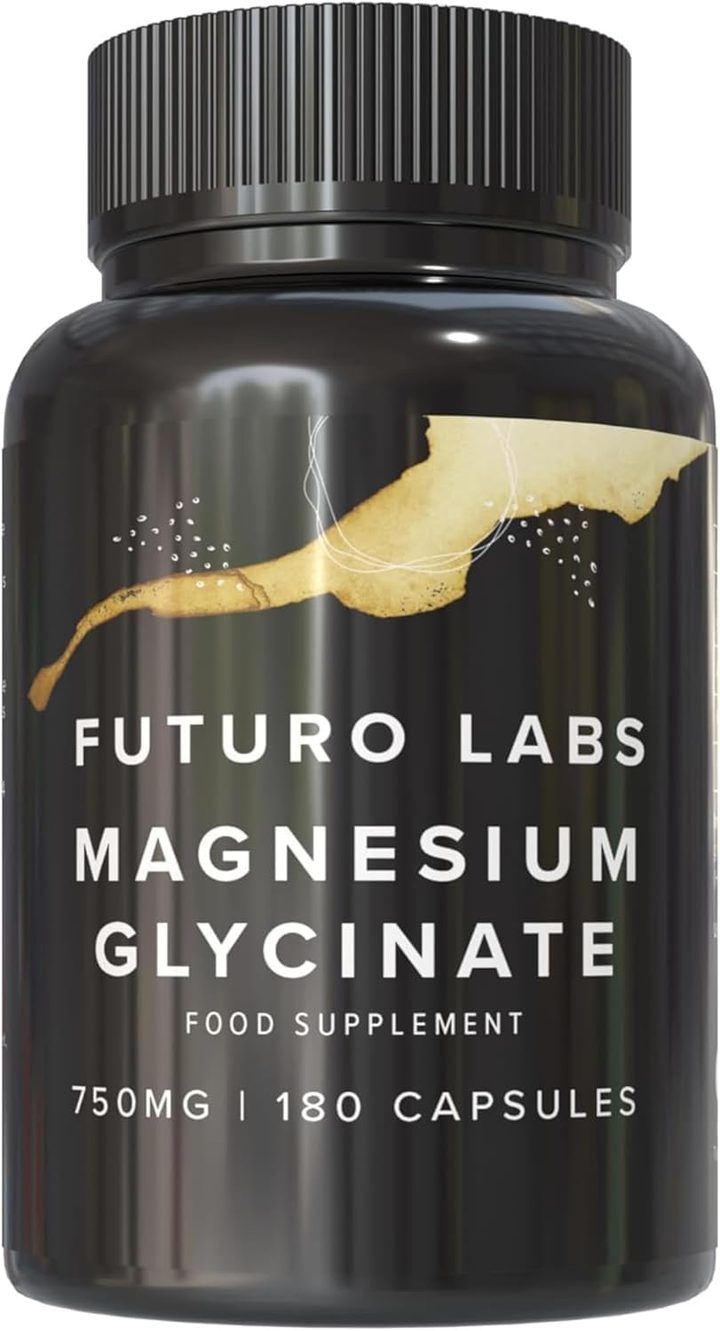
Our brand: the worked example on this page
Futuro Labs Magnesium Glycinate
- 22p a day
- 180 capsules, 2 capsules daily
- Lab tested
- Made in the UK
Not certified, and stated as such: Futuro Labs Magnesium Glycinate on Amazon UK, batch tested for metals, UK GMP, no Informed Sport certification, £19.99 for 90 days at 22p. Full label breakdown. The database-as-the-list guide is here; the batch-in-hand walkthrough on the certified supplements guide.
Certified rather than approved, and why the word matters, followed by the process a product actually goes through
Which supplements are approved by Informed Sport starts with a correction the programme itself would make: it certifies, it does not approve, and the difference is not pedantry. Approval implies endorsement, that a body has judged a product good, effective or recommended, and the programme does none of that, its certification attesting one thing only, that the product has been tested for prohibited substances under its protocol and its manufacturing site audited for contamination controls, so a certified product is one an athlete can take with the doping risk addressed, not one anyone has judged to work, the four label tests and the register applying to a certified tub as to any other. The process a product goes through gives the certification its meaning, and it has four stages. Registration: the brand enrols the specific product, certification being per product rather than per brand, so a company's other lines are outside the process unless separately enrolled. The manufacturing audit: the site where the product is made is assessed for its controls against cross-contamination with prohibited substances handled elsewhere in the facility, the programme's attestation covering process as well as product. Pre-certification testing: samples of the product are tested against the prohibited list before certification is granted, the baseline. Ongoing testing: for Informed Sport, every batch is tested before release and listed on the database, the every-batch model that distinguishes it from Informed Choice's product-level certification with periodic blind sampling, and the reason a tested athlete matches the batch on the tub rather than trusting the logo.
Where the answer lives, what the database shows about categories, and the question answered honestly
Where the answer to which supplements lives is the programme's public database, and no page of names, this one included, can substitute for it, since certifications are granted, renewed and lapse continuously and the register is compiled by the tester and current to the batch. Searching it by category shows the pattern the market has settled into: certified products cluster in sports nutrition, protein powders, creatine, pre-workouts, electrolytes, gels and bars, from brands whose customers include teams, federations and tested competitors, because certification costs a brand per product per batch and the demand comes from athletes who must have it, while plain vitamins and minerals, botanicals and mushroom extracts are thinly certified, their buyers rarely being tested and their margins rarely funding the programme, so an athlete wanting a certified magnesium, omega-3 or vitamin D finds a shorter list than one wanting a certified whey and searches by category to find what exists. The question answered honestly: the supplements certified by Informed Sport are the products on its database, as of the batch in hand, having passed registration, site audit, pre-certification testing and ongoing batch testing for prohibited substances, mostly in sports nutrition, approved by nobody for anything else, and this site's own worked examples, stated as this site states everything about them, are not among them, carrying independent batch testing for metals and UK GMP manufacture and no banned-substance certification, so that a drug-tested athlete consults the database for certified alternatives in each category rather than taking anything on this site's account.
| The item | The finding | The consequence |
|---|---|---|
| Certified, not approved | Testing attested; nothing endorsed | The four tests and the register still apply |
| Registration | Per product, not per brand | Other lines are outside unless enrolled |
| The site audit | Contamination controls assessed | Process attested alongside product |
| Pre-certification and batch testing | Baseline, then every batch | Match the batch on the tub to the database |
| The categories | Sports nutrition mainly; vitamins and botanicals thinly | Search by category for what exists |
| This site's examples | Metals tested, UK GMP, not certified | Athletes consult the database instead |
The verdict, certified by process and listed by batch
Which supplements are approved by Informed Sport: none are approved and the certified ones are those on the programme's public database, having passed registration per product, a manufacturing-site audit, pre-certification testing and every-batch testing for prohibited substances, mostly in sports nutrition, the certification attesting doping-risk testing and endorsing nothing about efficacy, purity from metals or claims. This site's examples, stated for the athlete: Futuro Labs Magnesium Glycinate, batch tested for lead, mercury, arsenic and cadmium, UK GMP, no Informed Sport certification, £19.99 for 90 days at 22p a day, which the tested athlete reads as a disclosure and answers by searching the database by category.
What to check on the label
- Read certified, not approved: testing attested, nothing endorsed.
- Know the four stages: registration, audit, pre-testing, batch testing.
- Treat certification as per product: a brand's other lines are outside.
- Search the database by category: sports nutrition has the depth.
- Apply the four tests anyway: a certified tub can still be a poor one.
Our brand
The worked example: Futuro Labs Magnesium Glycinate
Futuro Labs Magnesium Glycinate is the worked example for the buying guides because its label is the kind these guides teach you to demand: 1500mg magnesium bisglycinate at 20%, 300mg elemental, 80% NRV, 2 capsules a day, 180 capsules for £19.99, 22p a day, UK made, vegan, batch tested for lead, mercury, arsenic and cadmium, address printed, no proprietary blend, and the same four authorised claims any honest magnesium may carry.
- Elemental magnesium per serving
- 300mg (80% NRV)
- Form
- magnesium bisglycinate 20%
- Serving
- 2 capsules a day
- Bottle
- 180 capsules, 90 days
- Price
- £19.99 (22p a day)
- Capsule
- vegetarian shell, vegan product
Questions people also ask
Does Informed Sport approve supplements?
No: it certifies that a product has been tested for prohibited substances under its protocol and its manufacturing site audited, endorsing nothing about efficacy, purity from metals or claims, so certified is the honest word and approved is not.
How does a supplement become Informed Sport certified?
Four stages: the brand registers the specific product, the manufacturing site is audited for contamination controls, samples are tested against the prohibited list before certification, and then every batch is tested before release and listed.
Where can I see which supplements are Informed Sport certified?
On the programme's public database, searchable by product, brand and category and listing certified batches, the only current and authoritative source because it is compiled by the tester.
Which categories are most often certified?
Sports nutrition: protein, creatine, pre-workouts, electrolytes, gels and bars, with plain vitamins, minerals, botanicals and mushrooms thinly certified because their buyers are rarely tested and the programme costs a brand per product per batch.
Is a certified supplement automatically a good one?
No: certification addresses doping risk only, so the four label tests, stated form and dose, testing for the category's contaminants, honest pence and no unauthorised claims, still decide whether a certified tub is worth buying.
Sources
- The sports supplement certification programmes: Informed Sport, Informed Choice, BSCG and NSF Certified for Sport test products or batches for banned substances, the assurance competing athletes rely on. https://sport.wetestyoutrust.com/
- The World Anti-Doping Code and the strict liability principle: athletes are responsible for any prohibited substance found in their sample regardless of intent, with contaminated supplements a documented source of positive tests. https://www.wada-ama.org/en/prohibited-list
- Retained Regulation (EC) No 1924/2006 on nutrition and health claims made on foods, and the Great Britain nutrition and health claims register. https://www.gov.uk/government/publications/great-britain-nutrition-and-health-claims-nhc-register
- UK and retained EU contaminant law: maximum levels for lead, cadmium, mercury and arsenic in food supplements are set in legislation, with certain fungus-based supplements holding specific cadmium limits. https://www.legislation.gov.uk/eur/2006/1881/contents