Ghost Fitness/Guides/Is creatine Informed Sport approved?
Is creatine Informed Sport approved?
The short answer
Two different questions: creatine the substance is not prohibited in sport, so no approval is needed to take it; creatine products are certified, not approved, one product at a time, and the programme's database says which. Monohydrate, batch matched.
- Creatine the substancenot on the prohibited list: permitted in every sport
- Creatine productscertified per product, per batch, on the programme's database; none approved
- The risk certification addressescontamination, not creatine itself
- The formmonohydrate at 3g: the claim, the trials, the safety record
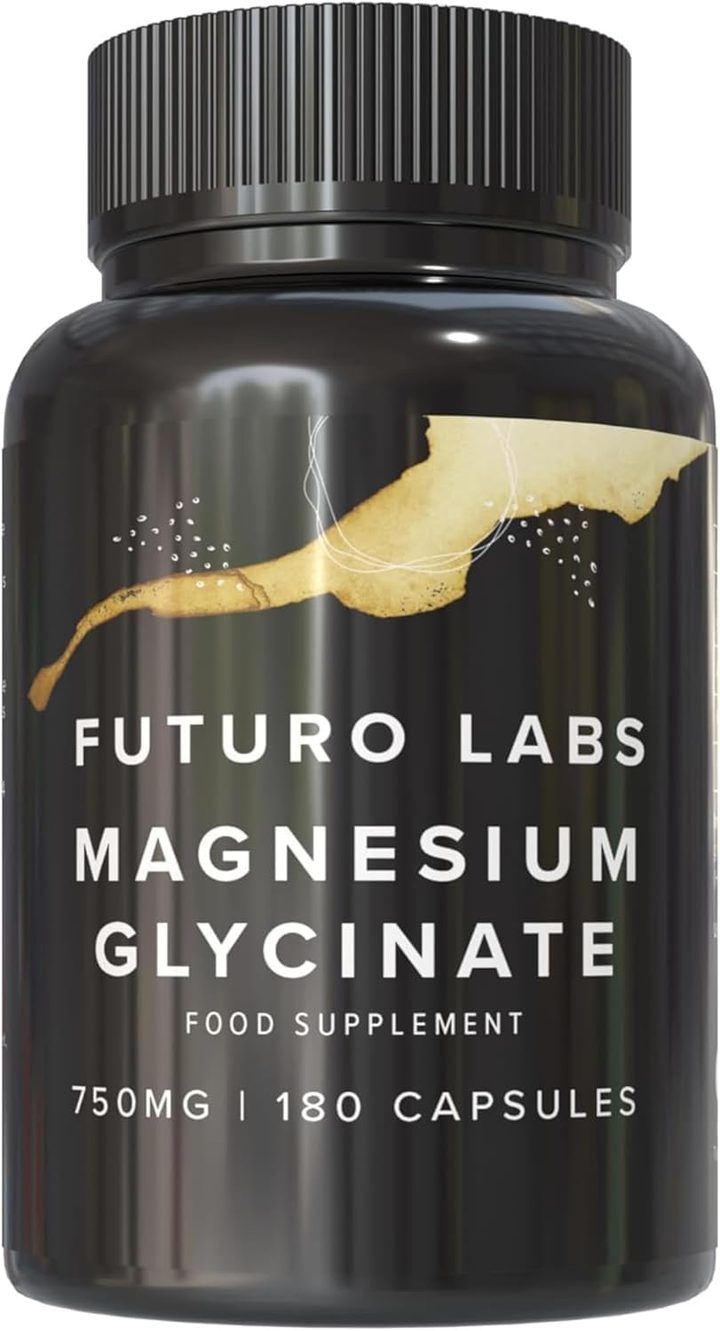
Our brand: the worked example on this page
Futuro Labs Magnesium Glycinate
- 22p a day
- 180 capsules, 2 capsules daily
- Lab tested
- Made in the UK
This site prices no creatine; its guides' worked example is the mineral: Futuro Labs Magnesium Glycinate on Amazon UK, 300mg elemental at 80% NRV, batch tested, no sports certification, £19.99 for 90 days at 22p. Full label breakdown. The creatine card is on the Informed Sport creatine guide; the certifies-not-approves correction on the approved-by guide.
Two questions in one, and the first answered by the prohibited list itself
Is creatine Informed Sport approved packs two different questions into one sentence, and separating them is the whole answer. The first question is about creatine the substance, and it is asked by athletes who have heard creatine discussed as if it were on the wrong side of a line: it is not. Creatine is not on the World Anti-Doping Agency's prohibited list, has never been, and is permitted in every sport under the anti-doping code, an amino-acid derivative the body makes and stores in muscle, found in meat and fish, with an authorised UK claim for performance in short-duration high-intensity exercise at 3g a day and the most examined safety record on the supplement shelf, so no approval of any kind is needed to take it, from Informed Sport or anyone, and an athlete asking whether creatine is allowed has the answer from the list itself, yes, everywhere, at any level. The confusion arises because the programme's name appears beside creatine so often, and it appears there for the second question's reason, which is not about creatine at all.
The second question, certified rather than approved, one product at a time, and the honest note on this site's shelf
The second question is about creatine products, and it has three parts. Certified, not approved: Informed Sport certifies that a specific product has been tested for prohibited substances and its manufacturing site audited, endorsing nothing about the product's quality or effect, so the honest word is certified and the honest reading of the logo is that this product's batches have been screened for contamination, the risk being not creatine but what else might be in a tub of it, from a facility that also handles stimulant-bearing products or from a supply chain that was not clean. One product at a time: certification is per product and testing per batch, so a brand's certified creatine says nothing about its other lines and the question which creatines are certified is answered only by the programme's public database, searched by product and matched by the batch number on the tub, the creatine guide's card. The form and the purity: a certified creatine should state monohydrate, the form behind the claim, the trials and the safety record, at a 3g serving, and certification does not cover purity, the manufacturing by-products dicyandiamide and dihydrotriazine that a separate assay screens and a pharmaceutical-grade producer controls, so the athlete who has matched the batch asks the brand for the purity certificate as a second document. The honest note on this site's shelf, stated as always: this site prices no creatine product, the guides' worked example being a magnesium, disclosed as such, and the method here, substance permitted, product certified per batch, monohydrate stated, purity assayed, applying to whichever tub the reader holds, the untested lifter served by an assayed uncertified monohydrate at the commodity price and the tested athlete by a database match.
| The question | The answer | The source |
|---|---|---|
| Is creatine allowed in sport? | Yes: not on the prohibited list, permitted everywhere | The WADA list itself |
| Does creatine need approval? | No approval exists or is needed | The programme certifies products, endorses nothing |
| Which creatine products are certified? | Those on the database, per product, per batch | The programme's public register |
| What does certification address? | Contamination, not creatine | Site audit and every-batch screening |
| What should the product state? | Monohydrate, 3g serving | The claim, the trials, the safety record |
| What is outside certification? | Purity: by-products and content | A separate assay from the brand |
The verdict, permitted as a substance and certified as a product
Is creatine Informed Sport approved: creatine the substance is not prohibited in any sport and needs no approval to take, and creatine products are certified rather than approved, one product at a time on the programme's public database, the certification screening batches for contamination that has nothing to do with creatine itself, the tested athlete matching the batch on the tub, confirming monohydrate at 3g and asking the brand for a separate purity assay. This site's shelf, disclosed: no creatine is priced here, the worked example being Futuro Labs Magnesium Glycinate, 300mg elemental at 80% NRV, batch tested, uncertified, £19.99 for 90 days at 22p a day, and the two-question method applying to any creatine tub the reader holds.
What to check on the label
- Separate the substance from the product: two questions in one.
- Answer the substance from the list: not prohibited, anywhere.
- Read certified, not approved: contamination screened, nothing endorsed.
- Find the product on the database: per product, per batch.
- Confirm monohydrate and ask for purity: the claim's form and a second document.
Our brand
The worked example: Futuro Labs Magnesium Glycinate
Futuro Labs Magnesium Glycinate is the worked example for the buying guides because its label is the kind these guides teach you to demand: 1500mg magnesium bisglycinate at 20%, 300mg elemental, 80% NRV, 2 capsules a day, 180 capsules for £19.99, 22p a day, UK made, vegan, batch tested for lead, mercury, arsenic and cadmium, address printed, no proprietary blend, and the same four authorised claims any honest magnesium may carry.
- Elemental magnesium per serving
- 300mg (80% NRV)
- Form
- magnesium bisglycinate 20%
- Serving
- 2 capsules a day
- Bottle
- 180 capsules, 90 days
- Price
- £19.99 (22p a day)
- Capsule
- vegetarian shell, vegan product
Questions people also ask
Is creatine banned in any sport?
No: creatine is not on the World Anti-Doping Agency's prohibited list and never has been, so it is permitted in every sport at every level, and no approval is needed to take it.
What does Informed Sport approved mean for creatine?
Nothing, because the programme certifies rather than approves: a certified creatine product has had its batches screened for prohibited substances and its manufacturing site audited, and nothing about creatine itself is being judged.
Which creatine products are Informed Sport certified?
The ones on the programme's public database, searchable by product and brand, certification being per product and testing per batch, so the batch number on the tub is matched before taking it.
Why certify a creatine product if creatine is allowed?
Contamination: a tub of creatine may be made in a facility that also handles stimulant-bearing products or supplied through a chain that was not clean, and a drug-tested athlete taking it daily wants every batch screened under strict liability.
What should I check on a certified creatine besides the logo?
That it states monohydrate at a 3g serving, the form behind the authorised claim, and that the brand can supply a purity assay for manufacturing by-products and creatine content, which certification does not cover.
Sources
- The World Anti-Doping Code and the strict liability principle: athletes are responsible for any prohibited substance found in their sample regardless of intent, with contaminated supplements a documented source of positive tests. https://www.wada-ama.org/en/prohibited-list
- EFSA Panel on Dietetic Products, Nutrition and Allergies. Scientific Opinion on the substantiation of health claims related to creatine and increase in physical performance during short-term, high intensity, repeated exercise bouts. EFSA Journal 2011;9(7):2303. https://efsa.onlinelibrary.wiley.com/doi/10.2903/j.efsa.2011.2303
- The creatine quality literature: creatine monohydrate can carry manufacturing by-products including dicyandiamide and dihydrotriazine, with purity assays and pharmaceutical-grade manufacturing the controls, and monohydrate the form behind the authorised claim. PubMed record
- The sports supplement certification programmes: Informed Sport, Informed Choice, BSCG and NSF Certified for Sport test products or batches for banned substances, the assurance competing athletes rely on. https://sport.wetestyoutrust.com/