Ghost Fitness/Guides/Is there a difference between informed choice and Informed Sport?
Is there a difference between informed choice and Informed Sport?
The short answer
Yes: same operator, same prohibited-list testing, different unit. Informed Sport tests every batch before release and lists it; Informed Choice certifies the product and samples it blind at retail. Tested athletes want the batch; recreational buyers may take either.
- The samethe operator, the prohibited-list analytes, the manufacturing audit, the public database
- The differencethe unit of ongoing testing: every batch versus product-level blind sampling
- For tested athletesInformed Sport, batch matched, and the federation's guidance as the final word
- For recreational buyerseither, or neither: the premium insures against a risk they do not carry
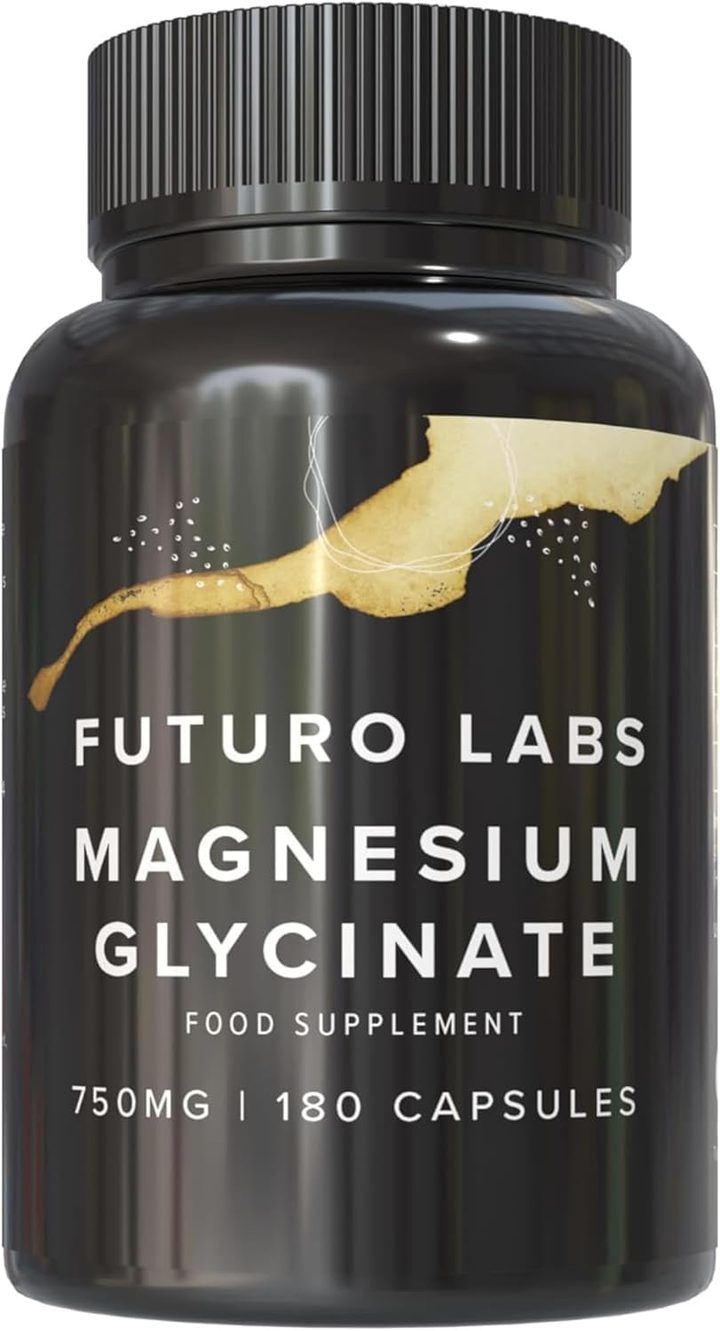
Our brand: the worked example on this page
Futuro Labs Magnesium Glycinate
- 22p a day
- 180 capsules, 2 capsules daily
- Lab tested
- Made in the UK
A product on neither programme, stated as such: Futuro Labs Magnesium Glycinate on Amazon UK, batch tested for metals, UK GMP, no sports certification, £19.99 for 90 days at 22p. Full label breakdown. The Informed Choice anatomy is on the Informed Choice guide; the Informed Sport anatomy on the Informed Sport guide.
What the two programmes share, and the one thing that differs
Yes, there is a difference between Informed Choice and Informed Sport, and it is a single difference sitting on a large shared base, so the honest comparison starts with what they share. The operator: both are run by LGC, an accredited laboratory group, under the same testing accreditation. The analytes: both test for substances on the anti-doping prohibited list, anabolic agents, stimulants, diuretics and masking agents, hormone modulators and the rest, by the same laboratory methods. The audit: both assess the manufacturing site for controls against cross-contamination with prohibited substances. The pre-certification step: both test the product before granting the logo. The database: both publish their certified products on a public register a buyer can search, and neither covers heavy metals, potency, efficacy or claims, the four label tests applying after either logo. The one thing that differs is the unit of ongoing testing. Informed Sport tests every batch of a certified product before it is released and lists the batch on the database, so that a tub's batch number can be matched to a test, the every-batch model. Informed Choice certifies the product and then monitors it by buying samples blind at retail through the year and testing what it finds, the product-level model, so that a tub carries a certified product's logo without its specific batch having been tested before release. That difference drives everything else: the every-batch model costs a brand more, scaling with production, and gives an athlete a batch-level match; the product-level model costs less and gives a buyer product-level assurance maintained by blind sampling.
The decision tree for which logo to look for, and why a brand chooses one or the other
Which logo a buyer should look for is a short decision tree, and the first branch is the only one that matters. Are you subject to anti-doping testing, at any level where a positive matters? If yes, look for Informed Sport, match the batch on the tub to the database before taking it, keep the record, and treat your federation's own guidance on recognised programmes as the final word, because strict liability makes contamination a batch event and the every-batch model is the one that addresses a batch, Informed Choice's product-level assurance being real but not the batch-level match the rule rewards. If no, either logo serves and neither is required: a recreational buyer faces no anti-doping test and therefore no doping risk, so the certification premium insures against a risk they do not carry, and the honest advice is to buy on the four label tests and a metals certificate, taking a certified product if the assurance is worth the premium to them and an uncertified metals-tested one if it is not. Why a brand chooses one: a line sold to tested athletes, protein, creatine, pre-workouts, electrolytes, tends to carry Informed Sport because its customers must have it; a line sold to recreational buyers who want assurance, or whose volume cannot fund every-batch testing, tends to carry Informed Choice; and a line sold to buyers who are rarely tested, plain vitamins and minerals, botanicals and mushrooms, tends to carry neither, this site's worked examples among them, metals-tested and UK GMP manufactured and stated plainly as outside both programmes, right for the untested majority and a disclosure for the athlete at the first branch of the tree.
| The item | Informed Choice | Informed Sport |
|---|---|---|
| The operator and analytes | LGC; the prohibited list | The same |
| The audit and pre-certification | Site audit; product tested before the logo | The same |
| Ongoing testing | Product level: blind retail samples through the year | Every batch, before release, listed |
| The cost to a brand | Lower | Higher: scales with production |
| Who it suits | Recreational buyers wanting assurance; lower-volume lines | Tested athletes under strict liability |
| Neither covers | Metals, potency, efficacy, claims | The same |
The verdict, one difference and one branch
Is there a difference between Informed Choice and Informed Sport: yes, one difference on a shared base, the same operator, analytes, audit, pre-certification and database, with Informed Sport testing every batch before release and listing it and Informed Choice certifying the product and sampling it blind at retail, so that a tested athlete looks for Informed Sport and matches the batch under strict liability, a recreational buyer may take either or neither, and a brand chooses by customer and volume. The product on neither, stated plainly: Futuro Labs Magnesium Glycinate, batch tested for metals, UK GMP, no sports certification, £19.99 for 90 days at 22p a day, for the untested majority and a disclosure for the athlete at the tree's first branch.
What to check on the label
- Know the shared base: operator, analytes, audit, database.
- Know the one difference: every batch versus product-level blind sampling.
- Ask the first branch: are you drug tested?
- If yes, Informed Sport and the batch: your federation's guidance is final.
- If no, buy on the label: either logo optional, neither required.
Our brand
The worked example: Futuro Labs Magnesium Glycinate
Futuro Labs Magnesium Glycinate is the worked example for the buying guides because its label is the kind these guides teach you to demand: 1500mg magnesium bisglycinate at 20%, 300mg elemental, 80% NRV, 2 capsules a day, 180 capsules for £19.99, 22p a day, UK made, vegan, batch tested for lead, mercury, arsenic and cadmium, address printed, no proprietary blend, and the same four authorised claims any honest magnesium may carry.
- Elemental magnesium per serving
- 300mg (80% NRV)
- Form
- magnesium bisglycinate 20%
- Serving
- 2 capsules a day
- Bottle
- 180 capsules, 90 days
- Price
- £19.99 (22p a day)
- Capsule
- vegetarian shell, vegan product
Questions people also ask
Are Informed Choice and Informed Sport run by the same company?
Yes: both are operated by LGC, an accredited laboratory group, testing for the same prohibited-list substances by the same methods, with the same manufacturing audit and public database.
What is the actual difference between them?
The unit of ongoing testing: Informed Sport tests every batch before release and lists it, while Informed Choice certifies the product and monitors it by buying samples blind at retail through the year.
Which one should a drug-tested athlete look for?
Informed Sport, matching the batch on the tub to the database before taking it, because strict liability makes contamination a batch event and only the every-batch model addresses the specific batch, with the athlete's federation having the final word on recognised programmes.
Does a recreational lifter need either logo?
No: without an anti-doping test there is no doping risk to insure, so either logo is optional and the honest purchase rests on the four label tests and a metals certificate, with the certification premium paid only if the assurance is worth it.
Why do some brands use Informed Choice instead of Informed Sport?
Cost and customers: every-batch testing scales with production and suits lines sold to tested athletes, while product-level certification costs less and suits recreational lines or lower-volume products, and plain vitamins and minerals often carry neither.
Sources
- The Informed programmes' operator: Informed Sport and Informed Choice are run by LGC, an accredited laboratory group whose sports-supplement testing operates under ISO 17025 laboratory accreditation, with certified products and batches published on a public database. https://sport.wetestyoutrust.com/about
- The sports supplement certification programmes: Informed Sport, Informed Choice, BSCG and NSF Certified for Sport test products or batches for banned substances, the assurance competing athletes rely on. https://sport.wetestyoutrust.com/
- The World Anti-Doping Code and the strict liability principle: athletes are responsible for any prohibited substance found in their sample regardless of intent, with contaminated supplements a documented source of positive tests. https://www.wada-ama.org/en/prohibited-list
- UK and retained EU contaminant law: maximum levels for lead, cadmium, mercury and arsenic in food supplements are set in legislation, with certain fungus-based supplements holding specific cadmium limits. https://www.legislation.gov.uk/eur/2006/1881/contents