Ghost Fitness/Guides/What does Informed Choice test for?
What does Informed Choice test for?
The short answer
The anti-doping prohibited list's classes, anabolic agents, stimulants, diuretics, hormone modulators and the rest, screened by an accredited laboratory: the product before certification, the manufacturing site by audit, and blind retail samples through the year afterwards.
- The analytesthe prohibited list's classes: anabolic agents, stimulants, diuretics and masking agents, hormone and metabolic modulators, and more
- Stage onepre-certification testing of the product against the list
- Stage twoa manufacturing-site audit for cross-contamination controls
- Stage threeblind retail sampling through the year, product level
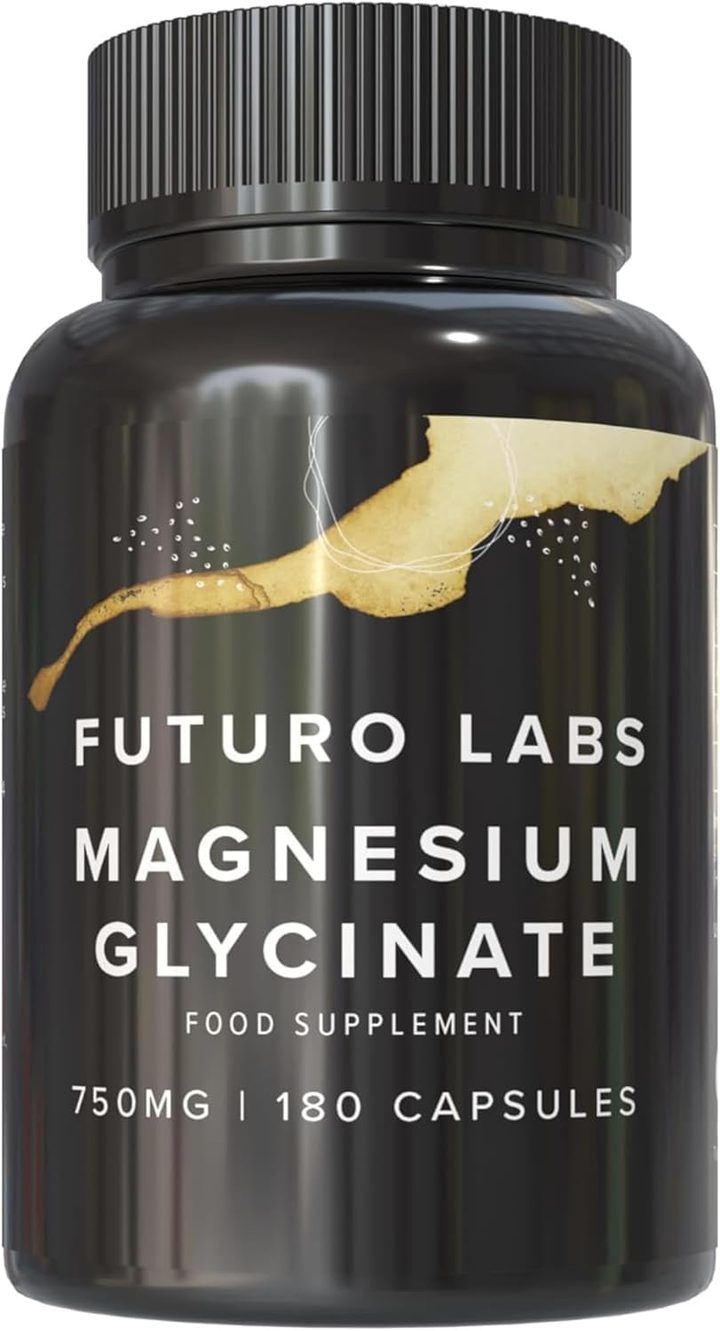
Our brand: the worked example on this page
Futuro Labs Magnesium Glycinate
- 22p a day
- 180 capsules, 2 capsules daily
- Lab tested
- Made in the UK
A product tested for a different analyte class, and stated as such: Futuro Labs Magnesium Glycinate on Amazon UK, batch tested for lead, mercury, arsenic and cadmium, no banned-substance certification, £19.99 for 90 days at 22p. Full label breakdown. The Informed Sport definition is on the certified guide; the comparison on the difference guide.
What it tests for, the prohibited list read as a menu of analytes, and how the screening is done
What Informed Choice tests for is the anti-doping prohibited list, and reading the list as a menu of analytes tells a buyer what the certification actually screens. Anabolic agents: anabolic steroids and their analogues and other anabolic agents, the substances most notoriously found in contaminated supplements and most often behind a positive test. Stimulants: the prohibited stimulants, several of which have appeared undeclared in pre-workouts and fat-burners, the category the adulteration literature documents most. Diuretics and masking agents: substances that dilute a sample or hide other prohibited substances. Hormone and metabolic modulators, peptide hormones and growth factors, beta-2 agonists, and the list's remaining classes, the list itself revised each year by the World Anti-Doping Agency and the programme's screening menu tracking those revisions, so that the analytes tested for are not fixed but follow the rules that bind athletes. How the screening is done: samples are analysed by the operator's accredited laboratory using the mass-spectrometry methods anti-doping laboratories use, screening for a large number of compounds in one run at the sensitivity a positive test would be called at, which is why the certification means something an in-house check cannot and why a contaminated product is caught by a method that would have caught it in an athlete's sample. What it does not test for is stated with equal plainness: heavy metals against contaminant limits, potency against the label, microbiology, identity of botanical species, amino spiking in protein, none of which is a prohibited substance and none of which the programme screens, those being the certificate-of-analysis analytes the tested-for-what matrix assigns to a separate document.
The sampling regime, which is the answer to when and how often, and the regime read against the sister programme
When and how often a product is tested is the sampling regime, and it has three stages. Stage one, pre-certification: samples of the product are tested against the prohibited list before the logo is granted, the baseline that establishes the product is clean as formulated and manufactured. Stage two, the manufacturing audit: the site where the product is made is assessed for its controls against cross-contamination with prohibited substances handled elsewhere in the facility, the process attestation that sits alongside the product testing, since most contamination is a facility event rather than a formulation one. Stage three, ongoing blind sampling: through the year, the programme buys the certified product at retail, as the public buys it, and tests what it buys against the list, the brand neither choosing nor knowing which units are sampled, so that certification is maintained on evidence the brand could not prepare, the model's independence being its strength and its product-level unit being its limit, the specific batch in a buyer's hand not necessarily having been among the samples. Read against the sister programme, the regime is the same at stages one and two and differs at stage three, Informed Sport replacing blind retail sampling with testing of every batch before release and listing the batch, so that what Informed Choice tests for is identical to what Informed Sport tests for, the prohibited list, and the difference is entirely in the regime, product-level sampling against every-batch release testing, the difference that decides which logo a drug-tested athlete looks for. This site's worked example is tested for a different analyte class, stated as such: independent batch testing for lead, mercury, arsenic and cadmium, the contaminant certificate a mineral needs, and no banned-substance certification, the prohibited-list screening being a separate document for a separate risk that the untested lifter does not carry.
| The item | The finding | The note |
|---|---|---|
| The analytes | The prohibited list's classes, revised yearly by WADA | Anabolic agents, stimulants, diuretics, hormone modulators and the rest |
| The method | Accredited laboratory mass spectrometry | The sensitivity an athlete's sample would be tested at |
| Stage one | Pre-certification product testing | The baseline |
| Stage two | Manufacturing-site audit | Contamination is usually a facility event |
| Stage three | Blind retail sampling through the year | Product level; the brand cannot prepare it |
| Not tested for | Metals, potency, microbiology, species identity, amino spiking | A certificate of analysis covers those |
The verdict, the list as the menu and the regime as the answer
What does Informed Choice test for: the anti-doping prohibited list's classes, anabolic agents, stimulants, diuretics and masking agents, hormone and metabolic modulators and the rest, revised yearly and screened by an accredited laboratory at anti-doping sensitivity, on a regime of pre-certification product testing, a manufacturing-site audit and blind retail sampling through the year at product level, with heavy metals, potency, microbiology, species identity and amino spiking outside its scope and belonging to a certificate of analysis. The worked example, tested for the other class: Futuro Labs Magnesium Glycinate, batch tested for lead, mercury, arsenic and cadmium, no banned-substance certification, £19.99 for 90 days at 22p a day, stated plainly for the athlete who needs the list and the lifter who does not.
What to check on the label
- Read the list as the menu: the prohibited list's classes, revised yearly.
- Know the method: accredited laboratory screening at anti-doping sensitivity.
- Know the three stages: pre-certification, site audit, blind retail sampling.
- Know the unit: product level, not this batch.
- Know what is not tested: metals, potency, spiking belong to a certificate of analysis.
Our brand
The worked example: Futuro Labs Magnesium Glycinate
Futuro Labs Magnesium Glycinate is the worked example for the buying guides because its label is the kind these guides teach you to demand: 1500mg magnesium bisglycinate at 20%, 300mg elemental, 80% NRV, 2 capsules a day, 180 capsules for £19.99, 22p a day, UK made, vegan, batch tested for lead, mercury, arsenic and cadmium, address printed, no proprietary blend, and the same four authorised claims any honest magnesium may carry.
- Elemental magnesium per serving
- 300mg (80% NRV)
- Form
- magnesium bisglycinate 20%
- Serving
- 2 capsules a day
- Bottle
- 180 capsules, 90 days
- Price
- £19.99 (22p a day)
- Capsule
- vegetarian shell, vegan product
Questions people also ask
Which substances does Informed Choice screen for?
The classes on the anti-doping prohibited list: anabolic agents, stimulants, diuretics and masking agents, hormone and metabolic modulators, peptide hormones, beta-2 agonists and the rest, with the screening menu tracking WADA's yearly revisions.
How often is an Informed Choice product tested?
Before certification as a baseline, then by blind retail sampling through the year, the programme buying the product as the public buys it and testing what it finds, alongside an audit of the manufacturing site.
Does Informed Choice test every batch?
No: it certifies at product level with blind sampling, and every-batch testing before release is the sister programme Informed Sport's model, the one a drug-tested athlete looks for.
Does Informed Choice test for heavy metals or potency?
No: it screens for prohibited substances only, and heavy metals, potency, microbiology, species identity and amino spiking are the analytes of a separate certificate of analysis requested from the brand.
What is this site's worked example tested for?
Heavy metals: independent batch testing for lead, mercury, arsenic and cadmium, the contaminant certificate a mineral needs, with no banned-substance certification, stated plainly.
Sources
- The World Anti-Doping Code and the strict liability principle: athletes are responsible for any prohibited substance found in their sample regardless of intent, with contaminated supplements a documented source of positive tests. https://www.wada-ama.org/en/prohibited-list
- The Informed programmes' operator: Informed Sport and Informed Choice are run by LGC, an accredited laboratory group whose sports-supplement testing operates under ISO 17025 laboratory accreditation, with certified products and batches published on a public database. https://sport.wetestyoutrust.com/about
- The sports supplement certification programmes: Informed Sport, Informed Choice, BSCG and NSF Certified for Sport test products or batches for banned substances, the assurance competing athletes rely on. https://sport.wetestyoutrust.com/
- The protein powder adulteration literature: amino spiking, adding cheap free amino acids to inflate measured protein content, and undeclared ingredients are documented adulteration patterns in the protein and pre-workout categories. PubMed record