Ghost Fitness/Guides/Is informed choice trustworthy?
Is informed choice trustworthy?
The short answer
Trustworthy for what it certifies: an accredited laboratory group, an independent blind-sampling protocol and a public database place it well above a brand's word. Trust stops where its scope does: banned substances only, per product, and only while current.
- The bottom runga brand's own word: free to print, unverifiable
- The middle rungsin-house GMP checks; an independent certificate of analysis
- Informed Choiceproduct-level banned-substance certification with blind sampling
- The top rungInformed Sport: every batch tested before release
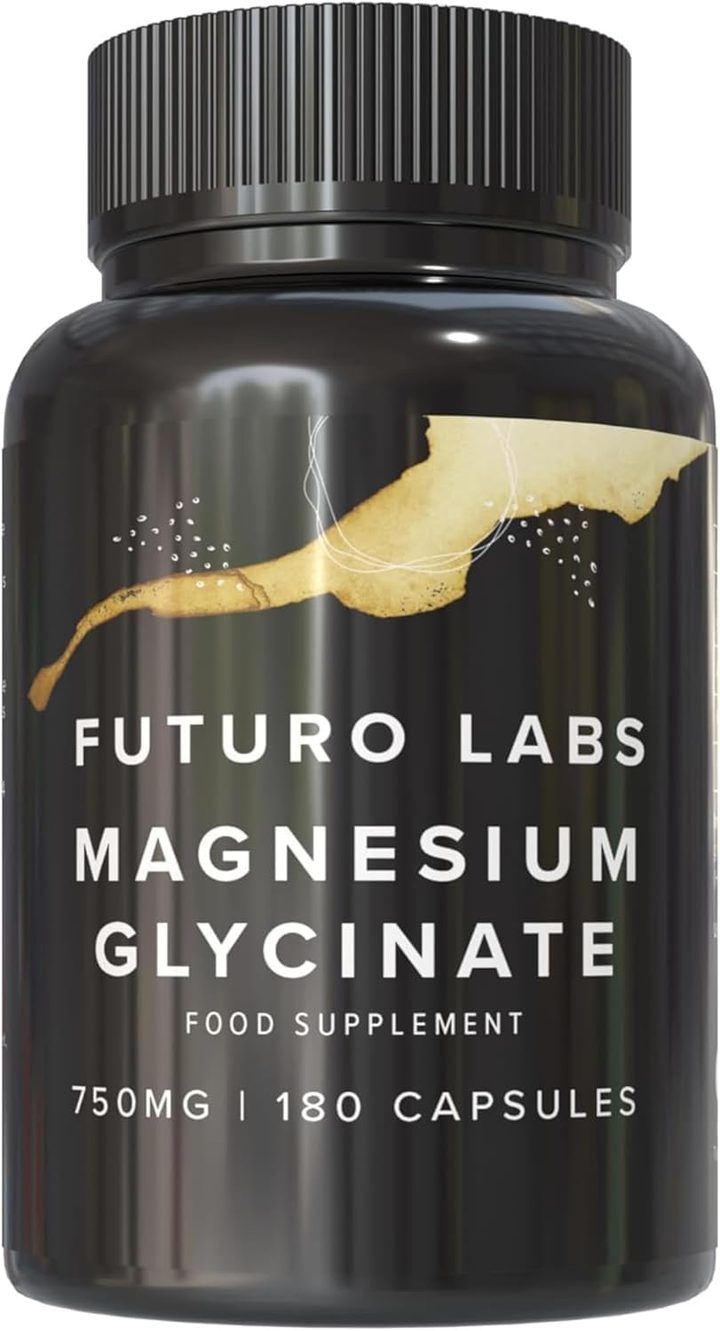
Our brand: the worked example on this page
Futuro Labs Magnesium Glycinate
- 22p a day
- 180 capsules, 2 capsules daily
- Lab tested
- Made in the UK
A product on the certificate-of-analysis rung, stated as such: Futuro Labs Magnesium Glycinate on Amazon UK, batch tested by an independent lab for metals, no sports certification, £19.99 for 90 days at 22p. Full label breakdown. The credentials audit is on the reputable guide; the programme anatomy on the Informed Choice guide.
The trust ladder, because trustworthy is a comparative word and the comparison is with the alternatives
Is Informed Choice trustworthy is a comparative question, trust being measured against the alternatives, so build the ladder and place the programme on it. The bottom rung, a brand's own word: tested, pure, clean, quality-assured, printed on a label or a website, free to type, unverifiable, and the rung most supplement claims live on, the Amazon testing guide's says-without-shows. The next rung, in-house checks under GMP: the manufacturer's own testing of ingredients and finished goods, real and necessary and first-party, a facility checking itself, the GMP guide's floor. The next, an independent certificate of analysis: an accredited external laboratory assaying a sample of a batch for named analytes and reporting values, third-party in the parsed sense, the tier-two testing this site's four label tests require and the rung the worked example sits on for heavy metals. Then Informed Choice: an accredited laboratory group certifying a product for prohibited substances after pre-certification testing and a site audit, and monitoring it by blind retail sampling through the year, a rung above a certificate of analysis for the specific question of banned substances because the sampling is independent of the brand and the certification is published on a public database, and a rung that answers a different question from the certificate below it, doping risk rather than contaminants and potency. The top rung, Informed Sport: the same certification with every batch tested before release and listed, so that the tub's own batch has a test behind it, the standard a drug-tested athlete under strict liability needs. On that ladder, Informed Choice is trustworthy in the plain sense, well above a brand's word and a facility's own checks, independent by protocol, transparent by database, and below only its every-batch sister on the one dimension that separates them.
Where trust stops, in three places, and the ladder used well
Trust in any certification stops where its scope does, and Informed Choice's stops in three places worth naming. Scope: it certifies freedom from prohibited substances and audits the site, and it does not certify heavy metals, potency, efficacy, species identity or claims, so a certified product is trusted for the doping question and judged on the four label tests and a certificate of analysis for everything else, a certified proprietary blend of claim-free ingredients being exactly that. Unit: certification is per product and the sampling is product-level, so the logo on a tub is trusted for the product as repeatedly sampled and not for the specific batch in hand, the every-batch rung above being where batch-level trust lives, and a company's certified line saying nothing about its uncertified ones. Currency: certifications lapse, through non-renewal, a manufacturer change or a failed audit, and logo-bearing stock outlives them, so trust is placed in the database entry as of today rather than in the printed logo, the at-source check being the last step every certification guide on this site ends with. The ladder used well: a drug-tested athlete climbs to the top rung, matches the batch, keeps the record and follows their federation's guidance on recognised programmes; a recreational buyer who wants banned-substance assurance without competing trusts Informed Choice for exactly that, at a lower premium than every-batch, and pays nothing for either if the assurance is not worth it to them, since the risk insured against is one they do not carry; and every buyer, tested or not, trusts nothing on the bottom rung and everything on the middle ones only as far as a certificate that can be produced, the worked example standing on the certificate-of-analysis rung for metals, stated plainly as absent from both certification rungs, and trusted, if at all, for the document it can show.
| The rung | What it is | How far to trust it |
|---|---|---|
| A brand's own word | Tested, pure, clean on a label or site | Not at all: free to type |
| In-house GMP checks | The facility checking itself | Necessary; first-party |
| A certificate of analysisOurs | An accredited external lab, per batch, named analytes | For those analytes, that batch |
| Informed Choice | Product-level banned-substance certification, blind sampling, public database | For doping risk, at product level, while current |
| Informed Sport | Every batch tested before release and listed | For doping risk, at batch level, while current |
| Where trust stops | Scope, unit, currency | Metals and potency elsewhere; this batch above; the database today |
The verdict, trustworthy for its rung and bounded by three edges
Is Informed Choice trustworthy: yes, for what it certifies, sitting on a trust ladder well above a brand's own word and a facility's in-house checks, above a certificate of analysis for the specific question of prohibited substances because its blind retail sampling is independent of the brand and its certifications are published on a public database, and below only Informed Sport's every-batch model on the one dimension that separates them, with trust stopping at three edges, scope, since it covers banned substances and not metals, potency, efficacy or claims, unit, since it is product level and not this batch, and currency, since certifications lapse and the database today is the truth. The product on the certificate-of-analysis rung, stated as such: Futuro Labs Magnesium Glycinate, batch tested by an independent lab for lead, mercury, arsenic and cadmium, no sports certification, £19.99 for 90 days at 22p a day, trusted for the document it can show and nothing more.
What to check on the label
- Build the ladder: brand's word, in-house, certificate, Informed Choice, Informed Sport.
- Place the programme honestly: independent, transparent, product level.
- Stop at scope: banned substances only.
- Stop at unit: the product, not this batch.
- Stop at currency: the database today, not the printed logo.
Our brand
The worked example: Futuro Labs Magnesium Glycinate
Futuro Labs Magnesium Glycinate is the worked example for the buying guides because its label is the kind these guides teach you to demand: 1500mg magnesium bisglycinate at 20%, 300mg elemental, 80% NRV, 2 capsules a day, 180 capsules for £19.99, 22p a day, UK made, vegan, batch tested for lead, mercury, arsenic and cadmium, address printed, no proprietary blend, and the same four authorised claims any honest magnesium may carry.
- Elemental magnesium per serving
- 300mg (80% NRV)
- Form
- magnesium bisglycinate 20%
- Serving
- 2 capsules a day
- Bottle
- 180 capsules, 90 days
- Price
- £19.99 (22p a day)
- Capsule
- vegetarian shell, vegan product
Questions people also ask
Is Informed Choice more trustworthy than a brand saying its products are tested?
Much more: a brand's word is free to print and unverifiable, while Informed Choice is run by an accredited laboratory group, samples products blind at retail so the brand cannot prepare them, and publishes certifications on a public database anyone can check.
Is Informed Choice as trustworthy as Informed Sport?
On every dimension but one: both share the operator, analytes, audit and database, and Informed Sport adds every-batch testing before release, the batch-level trust a drug-tested athlete needs and Informed Choice's product-level sampling does not give.
Can I trust an Informed Choice logo on a tub?
Only after checking it on the database today: certifications lapse and logo-bearing stock outlives them, and certification is per product, so the printed logo is trusted no further than the current database entry.
Does Informed Choice mean a product is free of heavy metals or correctly dosed?
No: trust stops at its scope, prohibited substances and a site audit, and heavy metals, potency, efficacy and claims are judged by the four label tests and a separate certificate of analysis.
Should a recreational lifter pay for an Informed Choice product?
Only if the banned-substance assurance is worth the premium to them: without an anti-doping test the risk insured against is not theirs, and an uncertified product with a metals certificate serves every concern they actually have.
Sources
- The Informed programmes' operator: Informed Sport and Informed Choice are run by LGC, an accredited laboratory group whose sports-supplement testing operates under ISO 17025 laboratory accreditation, with certified products and batches published on a public database. https://sport.wetestyoutrust.com/about
- The sports supplement certification programmes: Informed Sport, Informed Choice, BSCG and NSF Certified for Sport test products or batches for banned substances, the assurance competing athletes rely on. https://sport.wetestyoutrust.com/
- The World Anti-Doping Code and the strict liability principle: athletes are responsible for any prohibited substance found in their sample regardless of intent, with contaminated supplements a documented source of positive tests. https://www.wada-ama.org/en/prohibited-list
- UK and retained EU contaminant law: maximum levels for lead, cadmium, mercury and arsenic in food supplements are set in legislation, with certain fungus-based supplements holding specific cadmium limits. https://www.legislation.gov.uk/eur/2006/1881/contents