Ghost Fitness/Guides/Does Informed Sport check for heavy metals?
Does Informed Sport check for heavy metals?
The short answer
No, so an athlete who wants both runs two checks: match the batch on the programme's database for banned substances, then ask the brand for the batch's metals certificate. Two documents from two sources.
- Check onethe batch on the tub matched on the programme's database: banned substances
- Check twothe batch's certificate of analysis from the brand: lead, cadmium, mercury, arsenic
- The orderdatabase first, since strict liability is the larger risk; certificate second
- The decisiona product with one document has a gap; whether it matters depends on the category
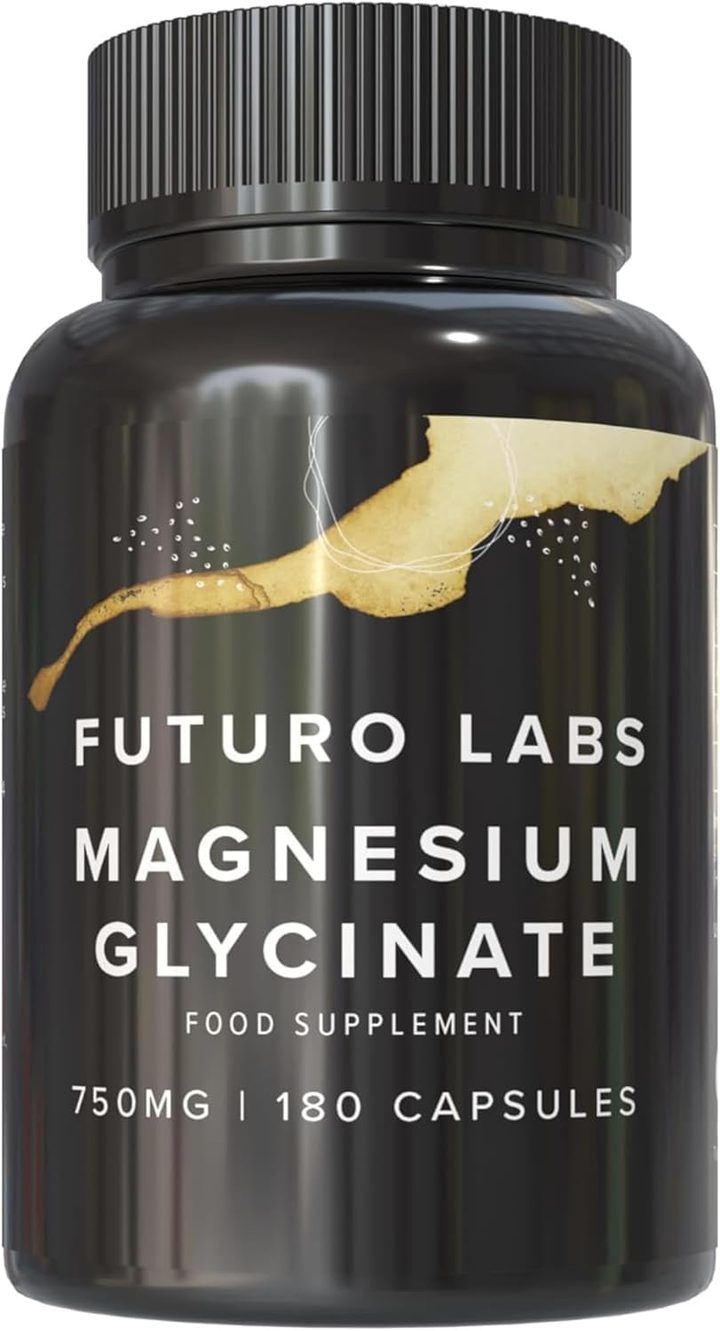
Our brand: the worked example on this page
Futuro Labs Magnesium Glycinate
- 22p a day
- 180 capsules, 2 capsules daily
- Lab tested
- Made in the UK
Document two only, stated as such: Futuro Labs Magnesium Glycinate on Amazon UK, batch tested for lead, mercury, arsenic and cadmium, no Informed Sport entry, £19.99 for 90 days at 22p. Full label breakdown. The two-laws frame is on the certified-metals guide; the tested-for-what matrix on the tested supplements guide.
The no, in one paragraph, and then the workflow for the athlete who needs both answers
Informed Sport does not check for heavy metals, the certification screening batches for substances on the anti-doping prohibited list and auditing the manufacturing site for cross-contamination with them, while heavy metals are a food-law contaminant question with their own maximum levels and their own certificate, the two-laws frame the certified-metals guide sets out, so a certified product's metals status is entirely a matter of whether the brand holds a separate certificate of analysis. What this page adds is the workflow, because the reader asking is usually a drug-tested athlete who wants both answers for the same tub and needs to know how to get them and in what order. Check one, the database: the batch number on the tub is searched on the programme's public register and matched to a tested batch, confirming the banned-substance screening for that batch, the record kept, batch number, receipt and a screenshot, and the athlete's federation consulted on which programmes it recognises, this check running first because strict liability makes a positive test the larger and less recoverable risk. Check two, the certificate: the brand is asked, through its storefront or customer service, for the certificate of analysis for the same batch number showing lead, cadmium, mercury and arsenic against the supplement maximum levels, by ICP-MS from a named laboratory, the tested brands guide's four questions with the metals edge, and the reply read as the test. Two documents, two sources, one batch number connecting them, and the athlete holding both has answered both laws for the tub in hand.
The decision when a product holds only one document, calibrated by category, and the honest note on this site's shelf
Most products hold one document or neither, and the decision when a product holds only one is calibrated by category rather than by rule. A certified sports-nutrition product with no metals certificate, a whey, a creatine, an electrolyte: the doping risk is addressed and the metals risk is low for a filtered dairy protein or a synthetic commodity, so the athlete may reasonably proceed while asking the brand for the certificate and preferring, next time, the brand that supplies it, the gap being real but small for the category. A certified plant protein, chocolate blend, botanical or mushroom product with no metals certificate: the doping risk is addressed and the metals risk is the category's central one, so the gap matters, and the athlete asks before taking and chooses a certified product from a brand that also publishes metals data, the two documents both being necessary where the category concentrates metals. A metals-tested product with no certification, this site's worked examples among them: the contaminant question is answered and the doping question is not, so a drug-tested athlete does not take it, whatever its certificate says, because the certificate never looked at the prohibited list and strict liability does not care how clean the metals were, the untested lifter being the reader that product serves. Neither document: nothing answered, and a tested athlete walks on. The honest note, as always: Futuro Labs Magnesium Glycinate holds document two, independent batch testing for lead, mercury, arsenic and cadmium, and not document one, no Informed Sport entry to match, so the workflow ends at check one for the tested athlete and the product goes to the lifter who faces no test, disclosed on every page that touches the question.
| The step | The action | The reason |
|---|---|---|
| Check one | Match the tub's batch on the programme's database | Banned substances; strict liability first |
| Record | Batch number, receipt, screenshot; federation's guidance | The evidence an inquiry asks for |
| Check two | Ask the brand for the batch's metals certificate | Lead, cadmium, mercury, arsenic against the limits |
| One document: certified, no metals | Proceed cautiously for whey, creatine, electrolytes; ask first for plant, botanical, mushroom | The gap's size depends on the category |
| One document: metals, no certification | A tested athlete does not take it | The certificate never looked at the prohibited list |
| This site's example | Metals tested, no certification | For the untested lifter; disclosed |
The verdict, two checks in order and a decision by category
Does Informed Sport check for heavy metals: no, so the athlete who wants both answers runs two checks in order, the batch matched on the programme's database first for banned substances under strict liability, and the brand asked second for the same batch's certificate of analysis showing the four metals against the supplement limits, with a product holding only one document having a gap whose size depends on the category, small for a certified whey or creatine, large for a certified plant protein or mushroom, and decisive the other way for a metals-tested uncertified product a tested athlete does not take. Document two only, disclosed: Futuro Labs Magnesium Glycinate, batch tested for lead, mercury, arsenic and cadmium, no Informed Sport entry, £19.99 for 90 days at 22p a day.
What to check on the label
- Run the database check first: strict liability is the larger risk.
- Keep the record: batch, receipt, screenshot.
- Ask for the metals certificate second: same batch, four metals, limits.
- Size the gap by category: small for whey and creatine, large for plant and mushroom.
- Never let metals substitute for certification: if you are tested.
Our brand
The worked example: Futuro Labs Magnesium Glycinate
Futuro Labs Magnesium Glycinate is the worked example for the buying guides because its label is the kind these guides teach you to demand: 1500mg magnesium bisglycinate at 20%, 300mg elemental, 80% NRV, 2 capsules a day, 180 capsules for £19.99, 22p a day, UK made, vegan, batch tested for lead, mercury, arsenic and cadmium, address printed, no proprietary blend, and the same four authorised claims any honest magnesium may carry.
- Elemental magnesium per serving
- 300mg (80% NRV)
- Form
- magnesium bisglycinate 20%
- Serving
- 2 capsules a day
- Bottle
- 180 capsules, 90 days
- Price
- £19.99 (22p a day)
- Capsule
- vegetarian shell, vegan product
Questions people also ask
Does Informed Sport test supplements for lead, cadmium or mercury?
No: it screens batches for prohibited substances under the anti-doping code and audits the site, and heavy metals are a food-law contaminant question answered by a separate certificate of analysis from the brand.
How does a tested athlete get both a certification and a metals check?
Two checks in order: match the tub's batch on the programme's database and keep the record, then ask the brand for the certificate of analysis for the same batch showing lead, cadmium, mercury and arsenic against the supplement limits.
What if a certified protein has no metals certificate?
It depends on the category: for whey, creatine or electrolytes the metals risk is low and the athlete may proceed while asking; for a plant protein, chocolate blend, botanical or mushroom the metals risk is central and the athlete asks before taking.
Can a metals-tested product replace Informed Sport certification for an athlete?
No: the certificate never looked at the prohibited list, and strict liability does not care how clean the metals were, so a tested athlete takes only products whose batches resolve on the programme's database.
Does the worked example hold both documents?
One: independent batch testing for lead, mercury, arsenic and cadmium, and no Informed Sport entry, so the workflow ends at check one for a tested athlete and the product serves the lifter who faces no test.
Sources
- The sports supplement certification programmes: Informed Sport, Informed Choice, BSCG and NSF Certified for Sport test products or batches for banned substances, the assurance competing athletes rely on. https://sport.wetestyoutrust.com/
- UK and retained EU contaminant law: maximum levels for lead, cadmium, mercury and arsenic in food supplements are set in legislation, with certain fungus-based supplements holding specific cadmium limits. https://www.legislation.gov.uk/eur/2006/1881/contents
- The World Anti-Doping Code and the strict liability principle: athletes are responsible for any prohibited substance found in their sample regardless of intent, with contaminated supplements a documented source of positive tests. https://www.wada-ama.org/en/prohibited-list
- The heavy metals analysis literature: inductively coupled plasma mass spectrometry is the standard method for quantifying lead, cadmium, mercury and arsenic in dietary supplements against regulatory maximum levels. PubMed record