Ghost Fitness/Lion's mane/Does lion's mane expire?
Does lion's mane expire?
The short answer
Yes, by best-before, a quality date rather than a safety one: dried extract capsules typically carry two to three years, losing potency and clumping with moisture rather than becoming unsafe. Fresh mushrooms last days. Store sealed, cool and dry.
- The date typebest-before: quality, not safety; use-by is for perishables
- Dried extract capsulestypically two to three years from manufacture
- What degradespotency slowly; lipophilic compounds oxidise; moisture clumps the powder
- Fresh mushroomsdays in the fridge, like any fresh produce
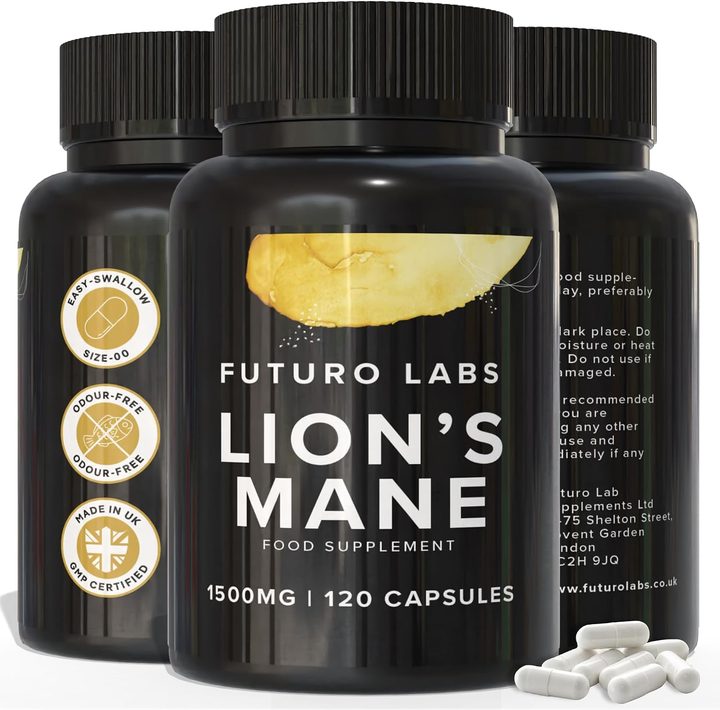
Our brand: the worked example on this page
Futuro Labs Lion's Mane
- 13p a day
- 120 capsules, 1 capsule daily
- Lab tested
- Made in the UK
A 120-day bottle used well inside its date: Futuro Labs Lion's Mane on Amazon UK, 5:1 fruiting body extract, batch and best-before marked, £15.49 for 120 days at 13p. Full label breakdown. The storage notes for powder are on the powder page; the fresh-mushroom channels on the where-to-buy page.
Best-before versus use-by, because the date on a supplement means something different from the date on chicken
Lion's mane expires, and the useful answer starts with which kind of date a supplement carries, because the two date systems mean different things. Use-by dates belong to perishable foods, chicken, fresh fish, ready meals, and are safety dates, a food past its use-by potentially unsafe however it looks. Best-before dates belong to stable products, dried goods, tinned food and food supplements, and are quality dates, the manufacturer's statement of how long the product will remain at its intended quality, potency and condition, with a product past its best-before generally safe to consume but possibly diminished, a dried extract in a sealed capsule sitting firmly in the second category, its best-before being the date the law requires and the date that answers this query. For dried lion's mane extract in capsules, that date typically runs two to three years from manufacture, set by stability reasoning rather than by any dramatic decay, and what happens across those years is gradual: the water-soluble beta-glucans are chemically stable and change little; the lipophilic compounds, hericenones and any erinacines, are the more oxidation-prone fraction and decline slowly with exposure to air, heat and light; and moisture is the practical enemy, mushroom extracts being hygroscopic, drawing water from the air, clumping, and in extreme cases supporting microbial growth, which is why the sealed bottle, the desiccant sachet some brands include, and the low-moisture HPMC shell matter more to shelf life than the calendar does.
The three forms' shelf lives, the storage rules that extend them, and what to do with a tub past its date
The three forms keep differently. Capsules of dried extract: the longest-lived, two to three years by best-before, protected by the shell and the sealed bottle, a 120-day bottle used at one a day being finished well inside its date with the only requirement being to close the lid. Extract powder in a bag or tub: the same chemistry with more exposure, every opening admitting air and moisture, so the honest working life is shorter than the printed date in a humid kitchen, the powder page's storage rules applying, airtight container, dry spoon, cool cupboard, and a turnover honest enough that a bag is finished before it clumps. Fresh lion's mane: a perishable food, lasting days in the fridge like any fresh mushroom, best used within three to five days, dry-stored in paper rather than sealed plastic, and showing its age by browning, sliminess or a sour smell, at which point it is compost, the culinary form being the one case where lion's mane genuinely spoils. The storage rules that extend every form are the same three words, sealed, cool and dry: away from the kettle's steam and the sunny windowsill, lid closed after each dose, desiccant kept in the bottle, and never decanted into a pill organiser for longer than a week if the kitchen runs humid. And a capsule past its best-before is handled honestly: not dangerous, the date being a quality marker, but possibly weaker, no published data quantifying lion's mane extract's potency decay specifically, so the reasonable practice is to use it if it looks and smells normal and the bottle was kept sealed, to bin it if the contents have clumped, discoloured or smell off, and to buy in sizes that get finished, the worked example's 120-day bottle being the size that expiry never reaches.
| The form | How long it keeps | What ends it |
|---|---|---|
| Extract capsules, sealed | Two to three years by best-before | Slow potency loss; moisture if left open |
| Extract powder, opened | Shorter than the printed date in practice | Air and moisture at every opening: clumping |
| Fresh mushrooms | Three to five days refrigerated | Browning, sliminess, sour smell: spoiled |
| The date type | Best-before: quality, not safety | Use-by belongs to perishables, not supplements |
| The storage rule | Sealed, cool, dry; desiccant kept | Steam, sun, humid organisers |
| Past the date | Usually usable if normal and sealed | Clumped, discoloured or off: bin it |
The verdict, dated by quality not danger
Does lion's mane expire: yes, by a best-before date that marks quality rather than safety, dried extract capsules typically carrying two to three years, their beta-glucans stable and their lipophilic compounds oxidising slowly, moisture rather than time being the practical enemy, with opened powder keeping less well than its printed date, fresh mushrooms spoiling within days like any produce, and the rules for every form being sealed, cool and dry. The bottle that expiry never reaches: Futuro Labs Lion's Mane, 120 capsules at one a day, batch and best-before marked, low-moisture HPMC shells, UK made, lab tested, £15.49 for 120 days at 13p a day, finished long before any date matters.
What to check on the label
- Read the date type: best-before is quality, use-by is safety.
- Expect two to three years: for sealed dried extract capsules.
- Fear moisture, not time: hygroscopic extracts clump and spoil.
- Store sealed, cool and dry: desiccant in, steam and sun out.
- Buy sizes you finish: a 120-day bottle never meets its date.
Our brand
The worked example: Futuro Labs Lion's Mane
Futuro Labs Lion's Mane: 1 capsule daily of 5:1 fruiting body extract, labelled 1500mg mushroom equivalent (about 300mg extract), 120 capsules for £15.49, 120 days at 13p a day. Vegan HPMC shell, UK made under GMP and BRC, independently lab tested, caffeine free. Lion's mane holds no authorised UK health claims; this site describes its small studies as studies.
- Extract
- fruiting body, 5:1
- Per capsule
- 1500mg mushroom equivalent
- Serving
- 1 capsule a day
- Bottle
- 120 capsules, 120 days
- Price
- £15.49 (13p a day)
- Capsule
- HPMC vegan shell, size 00
Questions people also ask
Is it safe to take lion's mane after the best-before date?
Usually: best-before is a quality date, not a safety one, so a sealed capsule that looks and smells normal is generally fine though possibly weaker, while clumped, discoloured or off-smelling contents should be binned.
How long do lion's mane capsules last?
Typically two to three years from manufacture by best-before, the water-soluble beta-glucans being stable and the lipophilic compounds declining slowly with air, heat and light.
Does lion's mane powder go off faster than capsules?
In practice, yes: every opening admits air and moisture to a hygroscopic extract, so opened powder clumps and degrades sooner than its printed date unless kept airtight, dry and turned over quickly.
How long does fresh lion's mane keep?
Three to five days refrigerated, stored in paper rather than sealed plastic, and spoiled when it browns, turns slimy or smells sour, the one form of lion's mane that genuinely perishes.
How should I store lion's mane capsules?
Sealed, cool and dry: lid closed after each dose, desiccant kept in the bottle, away from kettle steam and sunny windowsills, and not decanted into a humid pill organiser for more than a week.
Sources
- The supplement stability literature: dried botanical and fungal extracts degrade gradually with heat, moisture and oxygen, best-before dates indicating quality rather than safety. PubMed record
- The Food Supplements (England) Regulations 2003. https://www.legislation.gov.uk/uksi/2003/1387/contents/made
- The medicinal mushroom labelling discussion: fruiting body versus mycelium-on-grain, extract ratios and beta-glucan content as the label facts that separate concentrated extracts from diluted powders. PubMed record
- The hericium compound literature: erinacines are characterised from mycelium and hericenones from fruiting body, both studied for nerve growth factor activity in bench and animal models, with the human trials having used fruiting-body preparations. PubMed record