Ghost Fitness/Guides/What should you look for in UK food supplement labelling requirements?
What should you look for in UK food supplement labelling requirements?
The short answer
Twelve items make a compliant label: food supplement, the nutrients, portion, three warnings, quantities with %NRV, ingredients, allergens, net quantity, best-before, batch and a UK address. The commonest failures are the missing address, missing %NRV and an unauthorised claim.
- The twelve itemsthe supplement particulars plus the general food particulars
- Failure one, commonestno UK address: ghost brands and grey imports
- Failure twoquantities without %NRV, or compound weight where elemental is required
- Failure threean unauthorised claim, the failure that is also an advert
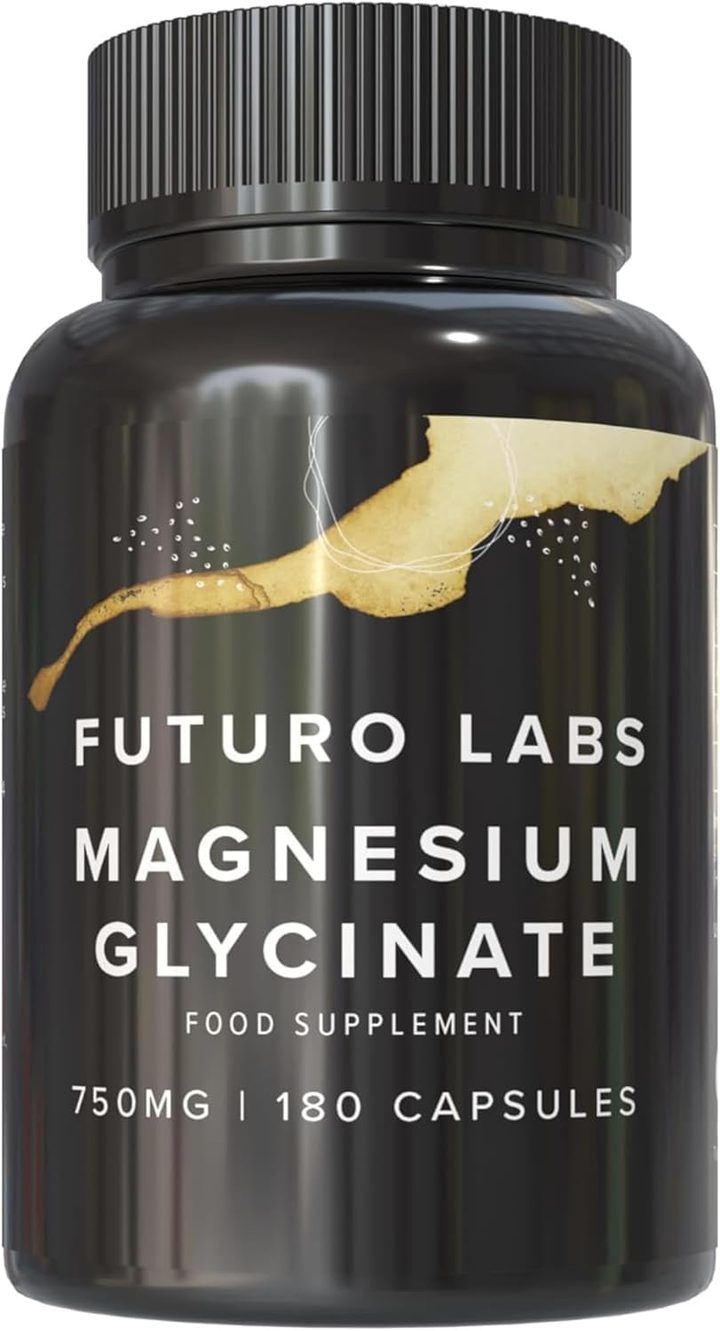
Our brand: the worked example on this page
Futuro Labs Magnesium Glycinate
- 22p a day
- 180 capsules, 2 capsules daily
- Lab tested
- Made in the UK
All twelve items on one label: Futuro Labs Magnesium Glycinate on Amazon UK, food supplement, 2 capsules daily, warnings, 300mg elemental at 80% NRV, ingredients, batch, best-before, UK address, £19.99 for 90 days at 22p. Full label breakdown. The Regulations are read on the Regulations guide; the panel itself on the label guide.
The twelve items, as one checklist a buyer can run on any tub in a minute
The Regulations guide read the law; this page reduces it to the checklist, twelve items a compliant UK food supplement label carries, in the order they are found on a tub. One, the words food supplement as the product's legal name. Two, the names of the nutrients or substances that characterise the product, or an indication of their nature. Three, the recommended daily portion. Four, five and six, the three warnings: not to exceed the stated dose, that supplements should not be used as a substitute for a varied diet, and to keep out of reach of young children. Seven, the quantity of each nutrient or substance per portion, declared numerically and, for vitamins and minerals, as a percentage of the nutrient reference value, with the elemental amount being the figure for minerals delivered as compounds. Eight, the ingredients list, in descending order of weight, including the capsule shell and any bulking agents and flow agents. Nine, the allergens, emphasised within the ingredients, fish for marine oils and collagen, milk for whey, soya where present. Ten, the net quantity, the capsule count or the weight. Eleven, the best-before date and the batch or lot mark, the traceability pair. Twelve, the name and address of the responsible food business in the UK. A label carrying all twelve has met the labelling requirements and a label missing any has not, and the check takes a minute with the tub in hand, which is why this site treats the twelve as the compliance floor beneath the four quality tests that decide whether a compliant product is also a good one.
The failures ranked by how often labels actually commit them, and what each failure tells a buyer
Ranked by how often this site's own reading of the shelf finds them, the failures are informative, because each tells a buyer something beyond the missing item. Failure one, the commonest, no UK address: the ghost-brand pattern, a marketplace name with nobody behind it, and the grey-import pattern, a genuine foreign product with its home-market label and no UK responsible business, both failing the item that makes everything else enforceable, since a label with nobody to write to is a label nobody answers for. Failure two, the quantities declared without %NRV, or a mineral declared as its compound weight with no elemental figure, the label saying magnesium citrate 500mg and leaving the buyer to guess that the magnesium inside is a fraction of that, a failure that is sometimes ignorance and sometimes a tactic, and one the label guide's elemental read catches. Failure three, an unauthorised claim, the failure that is also an advert: a focus, immunity, memory, detox or hormone claim printed on the pack, unlawful under the claims register and the instant disqualification every forensics page applies, common because claims sell and enforcement is reactive. Failure four, the missing warnings, usually the varied-diet statement or the children warning, an omission that marks a label written by someone who did not read the Regulations. Failure five, the missing batch or best-before, the mark of relabelled bulk or informal import. Failure six, rarest among UK-made products and common among imports, the words food supplement absent altogether, the product calling itself something else. The buyer's use of the ranking: check the address first, since its absence predicts the rest, then the %NRV and elemental figures, then scan for claims, the three commonest failures being caught in thirty seconds and the worked example carrying all twelve items where they can be read.
| The item | What it requires | How often it fails |
|---|---|---|
| Food supplement; the nutrients; the portion | Name, characterising substances, daily dose | Rarely on UK-made; often on imports |
| The three warnings | Do not exceed; not a diet substitute; keep from children | Sometimes: the varied-diet line goes missing |
| Quantities with %NRV | Per portion, elemental for minerals | Often: compound weights and no %NRV |
| Ingredients and allergens | Descending order; allergens emphasised | Occasionally |
| Net quantity; best-before; batch | Count or weight; the traceability pair | Sometimes: relabelled bulk |
| The UK address | The responsible business, named | The commonest failure: ghosts and grey imports |
The verdict, twelve items and three failures to check first
What to look for in UK food supplement labelling requirements: the twelve items a compliant label carries, the words food supplement, the nutrients, the portion, the three warnings, the quantities with %NRV and elemental figures, the ingredients, the allergens, the net quantity, the best-before, the batch and the UK address, and the three failures to check first because they are commonest and most telling, the missing address of ghost brands and grey imports, quantities without %NRV or elemental figures, and any unauthorised claim. The label with all twelve where they can be read: Futuro Labs Magnesium Glycinate, food supplement, two capsules daily, the three warnings, 300mg elemental at 80% NRV, ingredients with the HPMC shell listed, batch, best-before and UK address, £19.99 for 90 days at 22p a day, compliant on the floor and honest above it.
What to check on the label
- Run the twelve in a minute: name, nutrients, portion, warnings, quantities, list, allergens, quantity, dates, address.
- Check the address first: its absence predicts the rest.
- Then the %NRV and elemental figures: compound weights hide the dose.
- Then scan for claims: an advert on the pack is a failure.
- Treat compliance as the floor: the four quality tests sit above it.
Our brand
The worked example: Futuro Labs Magnesium Glycinate
Futuro Labs Magnesium Glycinate is the worked example for the buying guides because its label is the kind these guides teach you to demand: 1500mg magnesium bisglycinate at 20%, 300mg elemental, 80% NRV, 2 capsules a day, 180 capsules for £19.99, 22p a day, UK made, vegan, batch tested for lead, mercury, arsenic and cadmium, address printed, no proprietary blend, and the same four authorised claims any honest magnesium may carry.
- Elemental magnesium per serving
- 300mg (80% NRV)
- Form
- magnesium bisglycinate 20%
- Serving
- 2 capsules a day
- Bottle
- 180 capsules, 90 days
- Price
- £19.99 (22p a day)
- Capsule
- vegetarian shell, vegan product
Questions people also ask
What must a UK supplement label legally include?
Twelve items: the words food supplement, the characterising nutrients, the daily portion, three warnings, quantities per portion with %NRV, the ingredients, allergens, net quantity, best-before, batch and the UK responsible business's name and address.
What is the most common labelling failure on supplements?
A missing UK address: ghost brands with nobody behind them and grey imports carrying home-market labels, the failure that leaves nobody answerable for anything else on the pack.
Why does %NRV matter on a supplement label?
It turns an amount into a proportion of the reference intake and, for minerals, forces the elemental figure into view, so a label giving only a compound weight like magnesium citrate 500mg has hidden the actual dose.
Is a health claim on the label a compliance failure?
Yes, unless it is on the authorised register: focus, immunity, memory, detox or hormone claims are unlawful advertising on the pack and the instant disqualification every forensics page applies.
Does a compliant label mean a good product?
No: the twelve items are the compliance floor, and whether a compliant product is also a good one is decided by the four quality tests, stated form and dose, testing shown, an honest price and no claims.
Sources
- The Food Supplements (England) Regulations 2003. https://www.legislation.gov.uk/uksi/2003/1387/contents/made
- The retained Food Information to Consumers regulation: the mandatory nutrition declaration for foods, its fixed order of energy, fat, saturates, carbohydrate, sugars, protein and salt per 100g, and its rules on portion information, with supplements declaring nutrients per daily dose against nutrient reference values. https://www.legislation.gov.uk/eur/2011/1169/contents
- Retained Regulation (EC) No 1924/2006 on nutrition and health claims made on foods, and the Great Britain nutrition and health claims register. https://www.gov.uk/government/publications/great-britain-nutrition-and-health-claims-nhc-register
- EFSA Panel on Dietetic Products. Scientific opinion on Dietary Reference Values for fats: Adequate Intake of 250mg combined EPA and DHA per day for adults. EFSA Journal 2010;8(3):1461. https://www.efsa.europa.eu/en/efsajournal/pub/1461