Ghost Fitness/Guides/What should you look for in third party tested vitamins UK?
What should you look for in third party tested vitamins UK?
The short answer
Test vitamins for potency and identity above all: does the capsule contain its stated micrograms at the end of its shelf life, which honest brands manage with overages. Metals and microbiology are the floor; ask for the certificate.
- The vitamin-specific testpotency and identity: the stated amount, in the stated form, through shelf life
- The overagea deliberate surplus at manufacture so the label claim holds at expiry
- The floorheavy metals and microbiology, per batch, as for every product
- The read%NRV on the label against the certificate's measured value
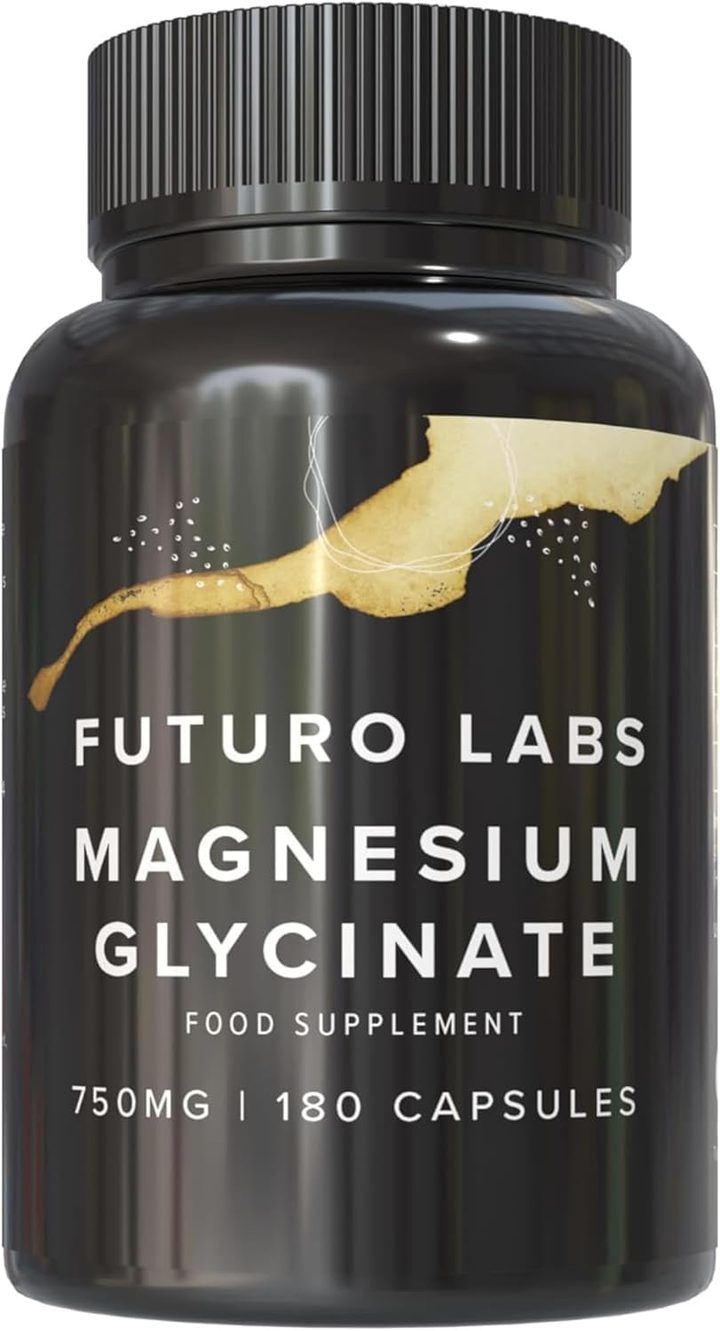
Our brand: the worked example on this page
Futuro Labs Magnesium Glycinate
- 22p a day
- 180 capsules, 2 capsules daily
- Lab tested
- Made in the UK
A mineral tested for potency and metals, stated to the elemental milligram: Futuro Labs Magnesium Glycinate on Amazon UK, 300mg elemental at 80% NRV, batch tested, £19.99 for 90 days at 22p. Full label breakdown. The tested-for-what matrix is on the tested supplements guide; the vitamin rules on the vitamins regulation guide.
Why vitamins are tested for something different from mushrooms, and the overage that explains a strange-looking certificate
Third-party testing means something different for a vitamin than for a mushroom, because the risks differ, and what to look for follows the risk. A mushroom's central risk is contamination, heavy metals from a bioaccumulating fungus, so its certificate leads with a metals panel; a vitamin's central risk is potency, whether the capsule actually contains the micrograms or milligrams it declares, in the form it declares, not only at manufacture but at the end of its shelf life, since vitamins degrade, some quickly, vitamin C, folate and the B vitamins losing activity with heat, light and time, vitamin D more stable but not immortal, so that a bottle labelled 10 micrograms which held exactly 10 at manufacture would hold less by its best-before, and the test that matters for a vitamin is potency and identity, an assay of the active amount against the label claim. That test explains a certificate that surprises buyers when they first see one: an honest vitamin product tests above its label claim at release, sometimes well above, because the manufacturer built in an overage, a deliberate surplus calculated from the vitamin's known degradation rate so that the declared amount is still present at expiry, the practice being standard, disclosed in formulation, and the reason a certificate reading 115% of label at release is a good sign rather than a mislabelling, while a product with no overage and no stability data will be under-label by its best-before, which is the failure potency testing exists to catch.
The floor beneath potency, the %NRV read, and the questions to ask a vitamin brand
Beneath potency sits the floor every supplement carries, heavy metals and microbiology per batch, less dramatic for a synthetic vitamin than for a wild mushroom but required all the same, since minerals in particular can carry metals from their sources and every capsule line can carry microbes, so a vitamin brand's certificate should show the floor analytes alongside the potency assay. The read that connects the certificate to the label is the %NRV column: the label declares each vitamin per daily dose as a percentage of the nutrient reference value, the certificate reports the measured amount, and the two should agree to within the overage margin, a certificate showing the measured amount at or above the declared figure being the confirmation, and one showing it below, or a brand with no potency data at all, being the reason to buy elsewhere. The questions to ask a vitamin brand are the four questions with the vitamin's edge: which lab, which batch, which analytes, potency and identity for each declared vitamin plus metals and microbiology, and where is the certificate, with the added question whether the brand tests at end of shelf life as well as at release, the stability question that separates a formulator who understands degradation from one who filled to label and hoped. The worked example, a mineral rather than a vitamin, is tested on the same logic: 300mg of elemental magnesium declared at 80% NRV, batch tested for metals, the elemental figure being the potency claim a certificate would confirm, and the honest note being that minerals degrade far less than vitamins so the overage question barely arises for them, whereas for a vitamin C or a B-complex it is the question, which is what to look for in third-party tested vitamins, a potency assay against the label, an overage that keeps it true to expiry, and the metals floor beneath.
| The item | The finding | The action |
|---|---|---|
| Potency and identity | The stated amount in the stated form | The vitamin-specific test; ask for the assay |
| The overage | A surplus at release so the label holds at expiry | Above-label at release is a good sign |
| Stability | Vitamins degrade; C, folate and Bs fastest | Ask whether end-of-shelf-life testing is done |
| The floor | Heavy metals and microbiology per batch | As for every product |
| The %NRV read | Label percentage against certificate value | Agreement within the overage margin |
| Minerals | Degrade far less; overage barely arises | Elemental figure is the potency claim |
The verdict, potency tested and true to expiry
What to look for in third-party tested vitamins in the UK: potency and identity above all, an assay confirming the stated amount in the stated form, with an overage built in so the label claim holds at the end of shelf life and above-label testing at release read as the good sign it is, the metals and microbiology floor beneath, the %NRV column read against the certificate, and the brand asked whether it tests at expiry as well as release. The mineral on the same logic: Futuro Labs Magnesium Glycinate, 300mg elemental declared at 80% NRV, batch tested for metals, £19.99 for 90 days at 22p a day, its elemental figure being the potency claim a certificate would confirm and its mineral chemistry sparing it the overage question that a vitamin C cannot avoid.
What to check on the label
- Test vitamins for potency: the stated amount, in the stated form.
- Understand the overage: above-label at release keeps the claim true at expiry.
- Ask about stability: end-of-shelf-life testing separates formulators from fillers.
- Keep the floor: metals and microbiology per batch.
- Read %NRV against the certificate: agreement within the margin.
Our brand
The worked example: Futuro Labs Magnesium Glycinate
Futuro Labs Magnesium Glycinate is the worked example for the buying guides because its label is the kind these guides teach you to demand: 1500mg magnesium bisglycinate at 20%, 300mg elemental, 80% NRV, 2 capsules a day, 180 capsules for £19.99, 22p a day, UK made, vegan, batch tested for lead, mercury, arsenic and cadmium, address printed, no proprietary blend, and the same four authorised claims any honest magnesium may carry.
- Elemental magnesium per serving
- 300mg (80% NRV)
- Form
- magnesium bisglycinate 20%
- Serving
- 2 capsules a day
- Bottle
- 180 capsules, 90 days
- Price
- £19.99 (22p a day)
- Capsule
- vegetarian shell, vegan product
Questions people also ask
What should a vitamin supplement be tested for?
Potency and identity first, an assay confirming the declared amount in the declared form, ideally at release and at end of shelf life, with heavy metals and microbiology per batch as the floor every product carries.
Why does a vitamin certificate show more than the label amount?
The overage: manufacturers add a calculated surplus so the declared amount is still present at expiry as the vitamin degrades, so a certificate reading above label at release is standard practice and a good sign.
Which vitamins degrade fastest?
Vitamin C, folate and the B vitamins lose activity with heat, light and time; vitamin D and the fat-soluble vitamins are more stable, and minerals barely degrade at all.
How do I check a vitamin's testing against its label?
Read the %NRV column, which declares each vitamin per daily dose against the reference value, and compare it with the certificate's measured amount, expecting agreement within the overage margin.
Do minerals need overage testing too?
Barely: minerals are chemically stable, so the potency claim is simply the elemental figure, 300mg on the worked example, which a certificate confirms without the stability question a vitamin raises.
Sources
- The supplement formulation literature: manufacturers add overages of vitamins above the label claim so that the declared amount is still present at the end of shelf life, potency testing at release and at expiry confirming the practice. PubMed record
- The supplement stability literature: dried botanical and fungal extracts degrade gradually with heat, moisture and oxygen, best-before dates indicating quality rather than safety. PubMed record
- UK and retained EU contaminant law: maximum levels for lead, cadmium, mercury and arsenic in food supplements are set in legislation, with certain fungus-based supplements holding specific cadmium limits. https://www.legislation.gov.uk/eur/2006/1881/contents
- EFSA Panel on Dietetic Products. Scientific opinion on Dietary Reference Values for fats: Adequate Intake of 250mg combined EPA and DHA per day for adults. EFSA Journal 2010;8(3):1461. https://www.efsa.europa.eu/en/efsajournal/pub/1461