Ghost Fitness/Guides/What is Informed Sport and do recreational lifters need it?
What is Informed Sport and do recreational lifters need it?
The short answer
A banned-substance certification for drug-tested athletes, and no, a recreational lifter does not need it: their risks are covered by the four label tests, a metals certificate and the seller gate. The exception is entering a tested federation.
- What it isevery-batch testing for the prohibited list, a site audit, a public database
- Who it is forathletes subject to anti-doping testing under strict liability
- The substitute for everyone elsethe four label tests, a metals certificate, the seller gate: no premium
- The edge caseentering a drug-tested amateur federation makes a recreational lifter a tested athlete
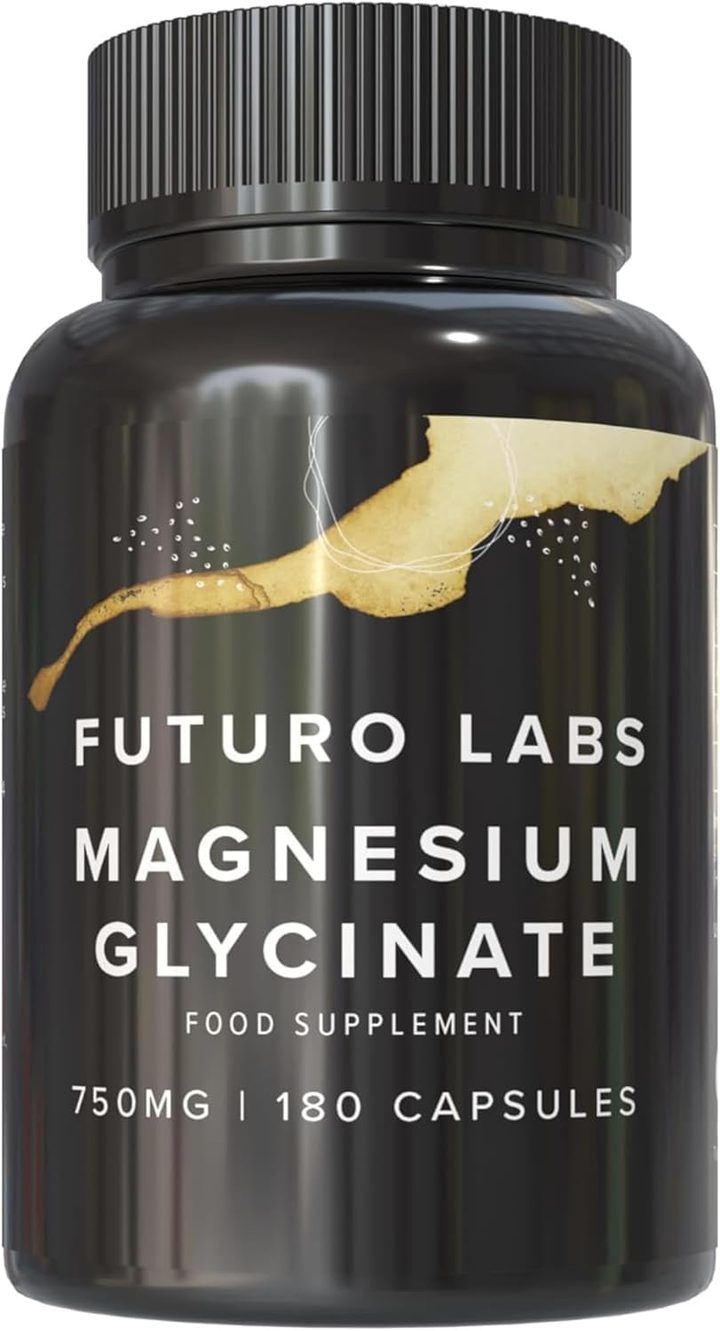
Our brand: the worked example on this page
Futuro Labs Magnesium Glycinate
- 22p a day
- 180 capsules, 2 capsules daily
- Lab tested
- Made in the UK
The substitute checklist, on one label: Futuro Labs Magnesium Glycinate on Amazon UK, stated form and elemental dose, batch tested for metals, brand-sold, no sports certification, £19.99 for 90 days at 22p. Full label breakdown. The who-should-pay page is here; the definition on the certified guide.
What Informed Sport is, in one paragraph, and the risk it insures against, which a recreational lifter does not carry
Informed Sport is a certification programme run by an accredited laboratory group: a brand enrols a specific product, the manufacturing site is audited for controls against cross-contamination with banned substances, the product is tested before certification, and every batch is tested against the anti-doping prohibited list before release and listed on a public database, so that an athlete can match the batch number on a tub to a tested entry. The risk it insures against is a positive drugs test from a contaminated supplement, a real and documented risk for anyone subject to anti-doping testing, where the strict-liability rule makes the athlete responsible for any prohibited substance in their sample regardless of intent and the label, the receipt and the brand's word are no defence. A recreational lifter, training for their own reasons in a gym nobody tests, does not carry that risk, because there is no test, no sample and no strict liability, so the certification insures against something that cannot happen to them, which is the whole of why the answer to whether they need it is no, and why the ten-to-thirty percent premium a certified product carries buys them nothing they need.
The substitute checklist that covers a recreational lifter's actual risks for no premium, and the one edge case
A recreational lifter's actual risks are different and are covered by a checklist that costs nothing. Risk one, buying a product that does not contain what it says: covered by the four label tests, the form stated, the elemental dose or extract ratio stated with real milligrams, testing shown, and an honest price, the tests this site runs on every product it prices. Risk two, contamination with heavy metals in the categories that concentrate them, mushrooms, botanicals, marine products and minerals: covered by a certificate of analysis for the four metals, requested from the brand with the four questions and read as the test. Risk three, buying a counterfeit or a grey import: covered by the seller gate, brand-sold and brand-dispatched listings, the price sanity check and the arrival inspection, the Amazon guides' hygiene. Risk four, being sold a claim: covered by the register, any sentence not on the authorised list being unlawful advertising and the instant disqualification. Risk five, spending on things that do nothing: covered by the evidence-per-penny ladder, creatine, protein, vitamin D and audited minerals before any bet. Five risks, five free covers, and no banned-substance certification among them, because none of the five is a doping test. The one edge case changes the answer: a recreational lifter who enters a competition run by a drug-tested federation, and several UK strength-sport federations test at amateur meets under strict-liability rules, becomes a tested athlete for that purpose the moment they enter, and from that moment takes only certified products matched by batch, the recreational label describing their training and not their liability. The worked example, stated as always: the substitute checklist on one label, a stated form and elemental dose, metals tested, brand-sold, authorised claims only, and no sports certification, the product a recreational lifter's checklist approves and a tested athlete's rule excludes.
| The risk | The cover | The premium |
|---|---|---|
| A product not containing what it says | The four label tests: form, dose, testing, price | None |
| Heavy metals in at-risk categories | A certificate of analysis for the four metals | None |
| Counterfeits and grey imports | The seller gate; price sanity; arrival inspection | None |
| Being sold a claim | The authorised register | None |
| Spending on nothing | The evidence-per-penny ladder | None |
| A positive drugs test | Informed Sport, batch matched | Only if you are tested: the edge case |
The verdict, no, with a free checklist and one exception
What is Informed Sport and do recreational lifters need it: an every-batch banned-substance certification with a site audit and a public database, built for athletes under strict-liability testing, and no, a recreational lifter does not need it, their actual risks, a mislabelled product, metals in at-risk categories, counterfeits and grey imports, unlawful claims and wasted spend, being covered for no premium by the four label tests, a metals certificate, the seller gate, the register and the evidence ladder, with the one exception that entering a drug-tested amateur federation makes a recreational lifter a tested athlete from the moment of entry. The substitute checklist on one label: Futuro Labs Magnesium Glycinate, stated form and elemental dose, batch tested for metals, brand-sold, authorised claims only, no sports certification, £19.99 for 90 days at 22p a day.
What to check on the label
- Know what it insures: a positive test you cannot have.
- Run the four label tests: form, dose, testing, price.
- Get the metals certificate where it matters: mushrooms, botanicals, marine, minerals.
- Pass the seller gate: brand-sold, price sane, inspected.
- Change the answer if you enter a tested meet: certified and batch matched from then.
Our brand
The worked example: Futuro Labs Magnesium Glycinate
Futuro Labs Magnesium Glycinate is the worked example for the buying guides because its label is the kind these guides teach you to demand: 1500mg magnesium bisglycinate at 20%, 300mg elemental, 80% NRV, 2 capsules a day, 180 capsules for £19.99, 22p a day, UK made, vegan, batch tested for lead, mercury, arsenic and cadmium, address printed, no proprietary blend, and the same four authorised claims any honest magnesium may carry.
- Elemental magnesium per serving
- 300mg (80% NRV)
- Form
- magnesium bisglycinate 20%
- Serving
- 2 capsules a day
- Bottle
- 180 capsules, 90 days
- Price
- £19.99 (22p a day)
- Capsule
- vegetarian shell, vegan product
Questions people also ask
What does Informed Sport actually do?
It certifies a specific product after a manufacturing-site audit and pre-certification testing, then tests every batch against the anti-doping prohibited list before release and lists the batches on a public database for athletes to match.
Why doesn't a recreational lifter need it?
Because it insures against a positive drugs test, and a lifter nobody tests has no sample, no strict liability and no such risk, so the certification premium buys them nothing they need.
What should a recreational lifter check instead?
The four label tests, a certificate of analysis for heavy metals in at-risk categories, the seller gate against counterfeits and grey imports, the authorised register against claims, and the evidence-per-penny ladder against wasted spend, all for no premium.
When does a recreational lifter become a tested athlete?
On entering a competition run by a drug-tested federation, several UK strength-sport federations testing at amateur meets under strict liability, from which moment only certified, batch-matched products are taken.
Is the worked example suitable for a recreational lifter?
Yes: stated form and elemental dose, batch tested for metals, brand-sold and claim-compliant, with no sports certification, which the recreational checklist approves and a tested athlete's rule excludes.
Sources
- The sports supplement certification programmes: Informed Sport, Informed Choice, BSCG and NSF Certified for Sport test products or batches for banned substances, the assurance competing athletes rely on. https://sport.wetestyoutrust.com/
- The World Anti-Doping Code and the strict liability principle: athletes are responsible for any prohibited substance found in their sample regardless of intent, with contaminated supplements a documented source of positive tests. https://www.wada-ama.org/en/prohibited-list
- The drug-tested amateur federations: several UK strength-sport federations conduct anti-doping testing at amateur meets under strict-liability rules, so a recreational lifter who enters one is a tested athlete for that purpose. https://www.ukad.org.uk/athletes/supplements
- UK and retained EU contaminant law: maximum levels for lead, cadmium, mercury and arsenic in food supplements are set in legislation, with certain fungus-based supplements holding specific cadmium limits. https://www.legislation.gov.uk/eur/2006/1881/contents