Ghost Fitness/Guides/Do supplements expire?
Do supplements expire?
The short answer
Yes, in the sense that a best-before marks the date the label's potency is guaranteed to. Vitamins lose activity, oils go rancid, probiotics die and gummies harden; minerals and creatine barely change. After the date, minerals are fine.
- Best-beforea quality date: the label's declared potency is guaranteed to it, with an overage behind it
- What degradesvitamins, especially C, folate and the Bs; oils oxidise; probiotics die; gummies harden
- What barely changesminerals, creatine, amino acids, dry protein powders
- After the dateminerals fine; vitamins reduced; oils by smell; probiotics assumed dead
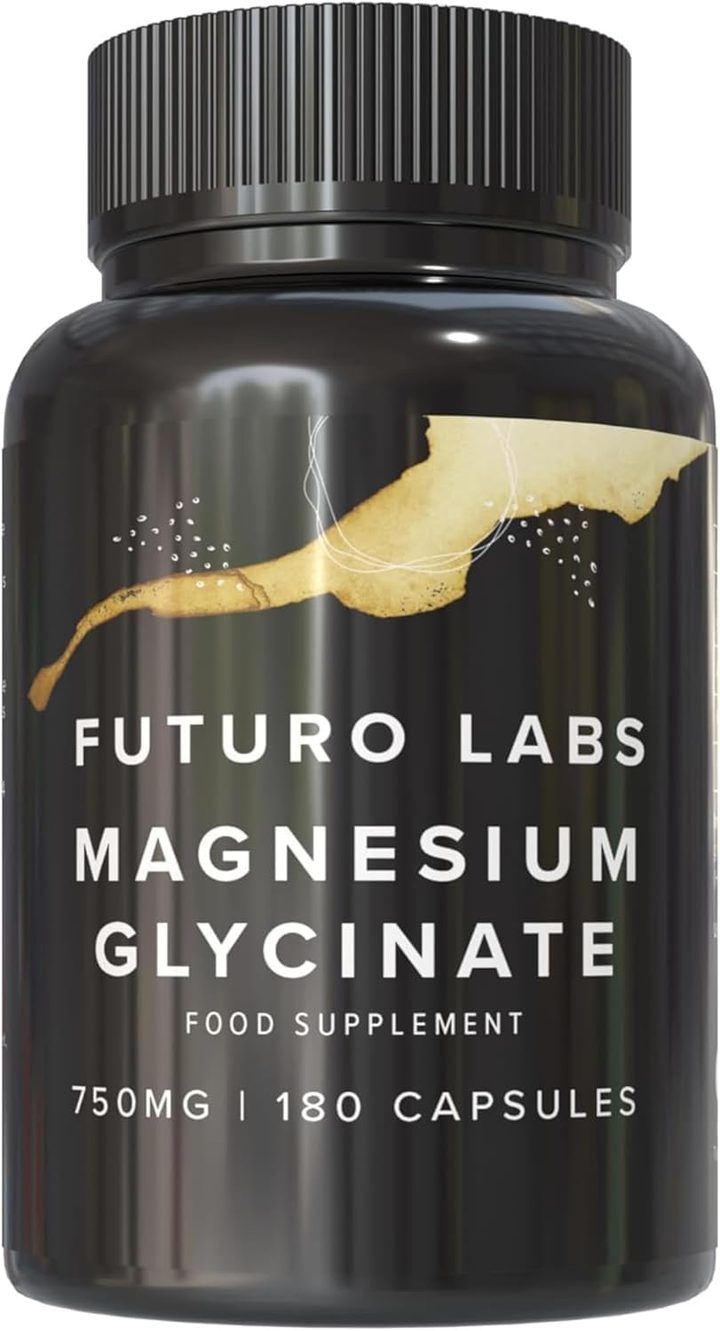
Our brand: the worked example on this page
Futuro Labs Magnesium Glycinate
- 22p a day
- 180 capsules, 2 capsules daily
- Lab tested
- Made in the UK
A mineral that barely changes, batch and date printed: Futuro Labs Magnesium Glycinate on Amazon UK, 180 capsules with a best-before that outlasts the 90 days it takes to finish, £19.99 at 22p a day. Full label breakdown. The storage guide is here; the mushroom shelf-life table on the expiry page.
What a best-before actually means, and what degrades toward it
Supplements expire in the sense that matters for a label rather than the sense that matters for a fridge: the date on a tub is a best-before, a quality date marking the point to which the manufacturer guarantees the declared potency, not a use-by after which the product is unsafe, the distinction the storage guide draws and the food information regulation makes, so the honest question is not whether a supplement becomes dangerous at its date but what has degraded by then and what has not. What degrades: vitamins, unevenly, vitamin C, folate and the B vitamins losing activity fastest with heat, light, moisture and time, vitamin D and the fat-soluble vitamins more slowly, which is why manufacturers build in overages so the declared amount is still present at the date and why a certificate at release reads above label; oils, fish oil above all, oxidising over months once opened and faster in heat and light, rancidity being detectable by smell and being the reason opened fish oil goes in the fridge; probiotics, whose live cultures die off continuously so that a count declared at manufacture is a fraction at the date and lower after; gummies, whose sugar matrix hardens, weeps or fuses in warmth; and botanical extracts, whose active compounds degrade at rates that are rarely characterised, the lion's mane expiry page's honest point that a mushroom extract's best-before is a convention rather than a measurement. What barely changes: minerals, magnesium, zinc, calcium and iron salts being chemically stable for years; creatine monohydrate, stable dry; amino acids dry; and protein powders, which go stale in flavour before they lose protein.
The rules for a tub found after its date, product by product, and the expiry read as a label claim
A tub found after its best-before is handled by what it contains. Minerals and creatine: fine, the chemistry unchanged, the only question being whether the capsule or powder has taken on moisture, clumped or discoloured, which is a storage failure rather than an expiry one. Vitamins: safe and reduced, the declared amount no longer guaranteed and the loss depending on the vitamin and the storage, so a multivitamin months past its date is a weaker multivitamin rather than a hazard, and a vitamin C past its date is mostly a waste. Fish oil and other oils: judged by the nose, a rancid, fishy or paint-like smell meaning the oxidation products are present and the softgels are binned, an odourless bottle within a few months of its date being usable if unopened and stored cool. Probiotics: assumed dead after the date and probably well before it unless refrigerated, the count on the label having been a manufacture-date figure with a decline built in. Gummies: eaten if soft and separate, binned if fused into one block, the sugar having done what sugar does. Botanical and mushroom extracts: no danger and unknown potency, the uncertainty being the honest state. And the universal rules: never take anything past its date that smells, looks or tastes wrong, respect a use-by where one appears, which is rare on supplements and usually on liquids or probiotics, and buy sizes that get finished before the date, a 90-day bottle for a daily habit being the storage guide's advice. The expiry read as a label claim is the last point: a best-before is one of the twelve particulars the Regulations require and one of the traceability pair with the batch, so a tub with no date is non-compliant before it is anything else, and the worked example's printed date, on a mineral that will not have changed by then, is a compliance fact more than a chemistry one, £19.99 for 180 capsules finished in 90 days and a date well beyond.
| The product | By the best-before | After it |
|---|---|---|
| Minerals and creatine | Chemically unchanged | Fine, unless damp or discoloured |
| Vitamins | Declared amount held by the overage | Safe and reduced; C and the Bs most |
| Fish oil and other oils | Slowly oxidising, faster once opened | Judge by smell; rancid means binned |
| Probiotics | Live count declining from manufacture | Assume dead |
| Gummies | Softening or hardening with warmth | Eat if soft and separate; bin if fused |
| Botanical and mushroom extracts | Uncharacterised degradation | No danger; unknown potency |
The verdict, a quality date and a product-by-product rule
Do supplements expire: yes as a quality date, the best-before marking the point to which the label's potency is guaranteed with an overage behind it, vitamins losing activity, oils oxidising, probiotics dying and gummies hardening toward it while minerals, creatine, amino acids and dry protein barely change, so that a tub found after its date is handled by its contents, minerals fine, vitamins reduced, oils by smell, probiotics assumed dead, gummies by texture and extracts by honest uncertainty, with anything that smells, looks or tastes wrong binned and sizes bought that get finished first. The mineral that will not have changed by its date: Futuro Labs Magnesium Glycinate, 180 capsules finished in 90 days, batch and best-before printed as the Regulations require, £19.99 at 22p a day.
What to check on the label
- Read best-before as quality: potency guaranteed to that date.
- Know what degrades: vitamins, oils, probiotics, gummies.
- Know what does not: minerals, creatine, amino acids.
- Handle past-date tubs by contents: minerals fine, oils by smell, probiotics dead.
- Buy sizes you finish: a 90-day bottle for a daily habit.
Our brand
The worked example: Futuro Labs Magnesium Glycinate
Futuro Labs Magnesium Glycinate is the worked example for the buying guides because its label is the kind these guides teach you to demand: 1500mg magnesium bisglycinate at 20%, 300mg elemental, 80% NRV, 2 capsules a day, 180 capsules for £19.99, 22p a day, UK made, vegan, batch tested for lead, mercury, arsenic and cadmium, address printed, no proprietary blend, and the same four authorised claims any honest magnesium may carry.
- Elemental magnesium per serving
- 300mg (80% NRV)
- Form
- magnesium bisglycinate 20%
- Serving
- 2 capsules a day
- Bottle
- 180 capsules, 90 days
- Price
- £19.99 (22p a day)
- Capsule
- vegetarian shell, vegan product
Questions people also ask
Is it safe to take supplements after the expiry date?
For most, yes in safety and reduced in potency: the date is a best-before marking guaranteed potency, so minerals are unchanged, vitamins are weaker, oils are judged by smell and probiotics are assumed dead, with anything that smells, looks or tastes wrong binned.
Which supplements actually go off?
Oils, which oxidise and go rancid, probiotics, whose cultures die, and gummies, which harden or fuse; vitamins lose potency without becoming unsafe, and minerals and creatine barely change.
How long does magnesium last?
Years, chemically: magnesium salts are stable, so the best-before on a magnesium capsule is a compliance date more than a chemistry one, and the only failure mode is moisture from a bathroom cupboard or an open lid.
Why do vitamin supplements have expiry dates if they don't go bad?
Because their potency declines: the best-before is the date to which the manufacturer guarantees the declared amount, built in with an overage, after which the label figure is no longer assured.
Should I throw away expired fish oil?
If it smells rancid, fishy or like paint, yes, the oxidation products being present; an unopened, cool-stored bottle a little past its date with no smell is usable, and opened fish oil belongs in the fridge.
Sources
- The supplement stability literature: dried botanical and fungal extracts degrade gradually with heat, moisture and oxygen, best-before dates indicating quality rather than safety. PubMed record
- The supplement formulation literature: manufacturers add overages of vitamins above the label claim so that the declared amount is still present at the end of shelf life, potency testing at release and at expiry confirming the practice. PubMed record
- The retained Food Information to Consumers regulation: the mandatory nutrition declaration for foods, its fixed order of energy, fat, saturates, carbohydrate, sugars, protein and salt per 100g, and its rules on portion information, with supplements declaring nutrients per daily dose against nutrient reference values. https://www.legislation.gov.uk/eur/2011/1169/contents
- The Food Supplements (England) Regulations 2003. https://www.legislation.gov.uk/uksi/2003/1387/contents/made