Ghost Fitness/Guides/What is the best cheap supplements?
What is the best cheap supplements?
The short answer
Rank by evidence per penny: creatine at 5 to 10p with an authorised claim, vitamin D at pennies, magnesium glycinate at 22p with four claims. Cheap is fine when it means commodity ingredients; suspect when it means unstated doses.
- The cheapest evidencecreatine monohydrate at 5 to 10p a day with an authorised performance claim
- The seasonal pennyvitamin D at 10 micrograms for pennies, UK autumn and winter
- The stated mineralmagnesium glycinate at 22p with fatigue, psychological, nervous and muscle claims
- The good and bad cheapcommodity ingredients and no marketing, versus unstated doses and no testing
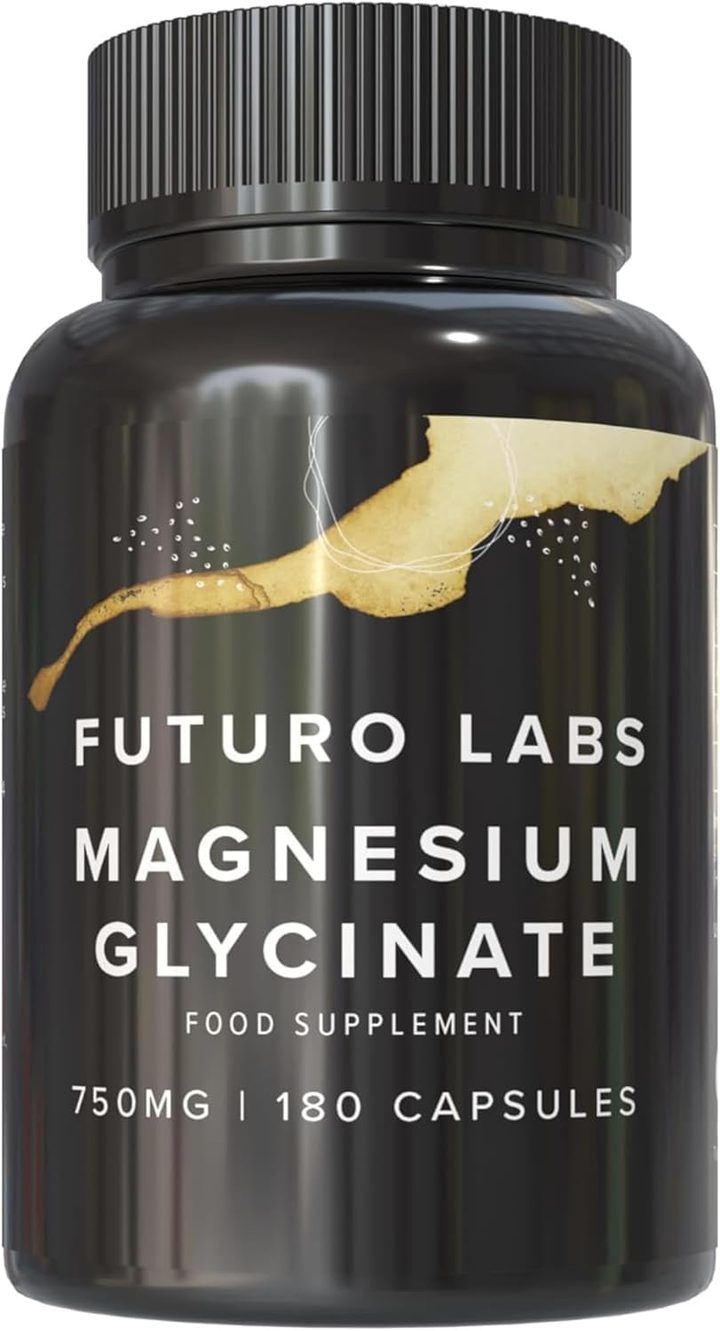
Our brand: the worked example on this page
Futuro Labs Magnesium Glycinate
- 22p a day
- 180 capsules, 2 capsules daily
- Lab tested
- Made in the UK
The worked example for every buying guide here: Futuro Labs Magnesium Glycinate on Amazon UK, 300mg elemental at 80% NRV per two capsules, batch tested, address printed, £19.99 for 90 days at 22p. Full label breakdown. The other sections' pence live in the lion's mane cost page and the omega-3 section; the guides hub is here.
The league table, ranked by evidence per penny across the whole site
The best cheap supplements are the ones that deliver the most evidence per penny, and this site can rank them because it has priced every section, so here is the league table with the register beside it. First, creatine monohydrate: five to ten pence a day at 3g, an authorised UK claim for physical performance in short-duration high-intensity exercise, decades of trials, the most examined safety record on the shelf, and an emerging cognition file as a bonus, the cheapest evidence anyone can buy and the tub every lifter should own before any other. Second, vitamin D: pennies a day at 10 micrograms, the UK's autumn-and-winter guidance for adults when skin synthesis fails at this latitude, authorised claims for bones, muscle function and immune function, a public-health reason behind it and no marketing needed. Third, magnesium glycinate: 22p a day on the worked example for 300mg elemental at 80% of the nutrient reference value, four printed authorised claims, reduction of tiredness and fatigue, normal psychological function, normal nervous system function and normal muscle function, the stated form its own section defends, and the mineral a training diet most plausibly runs light on. Fourth, omega-3 fish oil: 17p a day on this site's worked example for 300mg of EPA and DHA per softgel, DHA at 250mg holding the register's only brain-function claim and EPA and DHA together holding the heart-function one, the section pricing the concentration honestly. Below that line sit the flat-expectations bets, lion's mane at 13p with no claim and two small studies, collagen's habit lane at 28p carrying vitamin C and zinc's sentences rather than its own, both cheap and both honest about being bets, and above the whole table sit sleep, training and protein from food, which cost nothing and carry more evidence than everything beneath them.
Why cheap supplements are cheap, in two lists, and which are worth it on a budget
Why are cheap supplements cheap has two honest lists, and telling them apart is the whole skill. The good reasons, the ones that make a cheap product a bargain: commodity ingredients, creatine monohydrate, magnesium salts, vitamin D3 and fish oil being produced at enormous scale by a handful of ingredient manufacturers, so the raw material costs pennies and a brand adds only encapsulation, testing and a fair margin; no marketing, the plain tub with no forest photography, no founder story and no adaptogen vocabulary having no advertising budget to recover; and no proprietary blend, a single stated ingredient at a stated dose needing no formulation premium, the single-ingredient rule that beats every stack on this site. The bad reasons, the ones that make a cheap product a deletion: an unstated or underdosed active, a label that says magnesium without the elemental figure, mushroom without the tissue, fish oil without the EPA and DHA, the quantity hidden because it would not survive printing; no testing, the per-batch certificates that cost a fixed sum per run simply skipped; no address, the ghost-brand pattern where nobody answers; and a cheaper form doing an expensive form's job, magnesium oxide priced as glycinate, plain mushroom powder priced as extract, the form pages' standing trap. Which are worth it on a budget follows from the two lists: buy the commodity claim-holders first, creatine, vitamin D in season, magnesium glycinate if a diet audit says so, and omega-3 for the DHA claim, from single-ingredient tubs with stated doses, testing shown and an address printed, priced per day rather than per bottle, and spend nothing on the bets until those are covered, the worked example modelling the good-cheap pattern, a stated form at a stated elemental dose, tested, addressed, no blend, 22p, which is what cheap should mean.
| The supplement | Pence per day | The evidence |
|---|---|---|
| Creatine monohydrate, 3g | 5 to 10p | Authorised performance claim; decades of trials; emerging cognition file |
| Vitamin D, 10 micrograms | Pennies, autumn and winter | Authorised claims; UK guidance |
| Magnesium glycinate, 300mg elementalOurs | 22p | Four authorised claims; the stated form |
| Omega-3, 300mg EPA and DHA | 17p | DHA's brain claim; EPA and DHA's heart claim |
| Lion's mane, 5:1 extract | 13p | No claim; two small studies: a stated bet |
| Sleep, training, food protein | Free | More evidence than everything above |
The verdict, cheap ranked by what it buys
What are the best cheap supplements: ranked by evidence per penny, creatine at five to ten pence with its authorised claim, vitamin D at pennies in the UK's autumn and winter, magnesium glycinate at 22p with four printed claims, and omega-3 at 17p with DHA's brain sentence, all commodity single-ingredient products whose cheapness comes from scale rather than deletion, with the bets priced honestly below them and sleep, training and food protein free above them, and cheap being a tell only when it means an unstated dose, a skipped test, a missing address or a cheaper form in an expensive form's clothes. The good-cheap pattern, worked: Futuro Labs Magnesium Glycinate, 300mg elemental at 80% NRV, batch tested, address printed, no blend, £19.99 for 90 days at 22p a day, cheap because it is plain and honest because it is stated.
What to check on the label
- Rank by evidence per penny: creatine, vitamin D, magnesium, omega-3.
- Know the good reasons for cheap: commodity ingredients, no marketing, no blend.
- Know the bad reasons: unstated doses, no testing, no address, wrong form.
- Price per day, not per bottle: the only fair comparison.
- Cover the claim-holders before the bets: sleep and food first, free.
Our brand
The worked example: Futuro Labs Magnesium Glycinate
Futuro Labs Magnesium Glycinate is the worked example for the buying guides because its label is the kind these guides teach you to demand: 1500mg magnesium bisglycinate at 20%, 300mg elemental, 80% NRV, 2 capsules a day, 180 capsules for £19.99, 22p a day, UK made, vegan, batch tested for lead, mercury, arsenic and cadmium, address printed, no proprietary blend, and the same four authorised claims any honest magnesium may carry.
- Elemental magnesium per serving
- 300mg (80% NRV)
- Form
- magnesium bisglycinate 20%
- Serving
- 2 capsules a day
- Bottle
- 180 capsules, 90 days
- Price
- £19.99 (22p a day)
- Capsule
- vegetarian shell, vegan product
Questions people also ask
What is the single best cheap supplement?
Creatine monohydrate: five to ten pence a day at 3g with an authorised performance claim, decades of trials and the most examined safety record on the shelf, the first tub any lifter should own.
Why are some supplements so cheap?
Two reasons that look alike: the good one, commodity ingredients made at scale with no marketing and no proprietary blend, and the bad one, an unstated or underdosed active, no testing, no address, or a cheap form sold as an expensive one.
Which supplements are worth it on a budget?
The commodity claim-holders: creatine, vitamin D in autumn and winter, magnesium glycinate where a diet audit says so, and omega-3 for the DHA claim, bought as single-ingredient tubs with stated doses, testing and an address, priced per day.
Are cheap supplements lower quality?
Not by price alone: a plain, stated, tested single-ingredient tub is cheap because it is honest, while a cheap tub that hides its dose or skips its testing is cheap because it deleted a line, and the label tells you which.
Should I buy cheap versions of the bets like lion's mane?
Only after the claim-holders are covered: lion's mane at 13p and collagen's habit lane at 28p are cheap and honest about being bets, but no bet belongs in a budget before creatine, vitamin D and the free rungs of sleep, training and food.
Sources
- Kreider RB, et al. International Society of Sports Nutrition position stand: safety and efficacy of creatine supplementation in exercise, sport, and medicine. Journal of the International Society of Sports Nutrition 2017;14:18. PubMed record
- The GB claims register, vitamin D entries: vitamin D contributes to normal bones, teeth, muscle function, immune function and calcium absorption, with UK guidance suggesting 10 micrograms daily in autumn and winter. https://www.gov.uk/government/publications/great-britain-nutrition-and-health-claims-nhc-register
- The GB claims register, magnesium entries: magnesium contributes to a reduction of tiredness and fatigue, normal psychological function, normal nervous system function, normal muscle function and electrolyte balance, among others. https://www.gov.uk/government/publications/great-britain-nutrition-and-health-claims-nhc-register
- EFSA Panel on Dietetic Products. Scientific opinion on Dietary Reference Values for fats: Adequate Intake of 250mg combined EPA and DHA per day for adults. EFSA Journal 2010;8(3):1461. https://www.efsa.europa.eu/en/efsajournal/pub/1461