Ghost Fitness/Omega-3/Which is better EPA or DHA?
Which is better EPA or DHA?
The short answer
Better depends on the goal: DHA for the brain and vision claims at 250mg, neither for the heart claim, which reads them combined, EPA for the mood research that carries no claims. For everyday use the pair beats either alone.
- Goal-shapedthe honest structure of the answer: better for what
- DHA's goalsbrain function and vision: the two mandated destinations
- Combined goalsheart, triglycerides, blood pressure: the claims that refuse to choose
- EPA's goalsmood and inflammation research: live, clinical, unclaimed
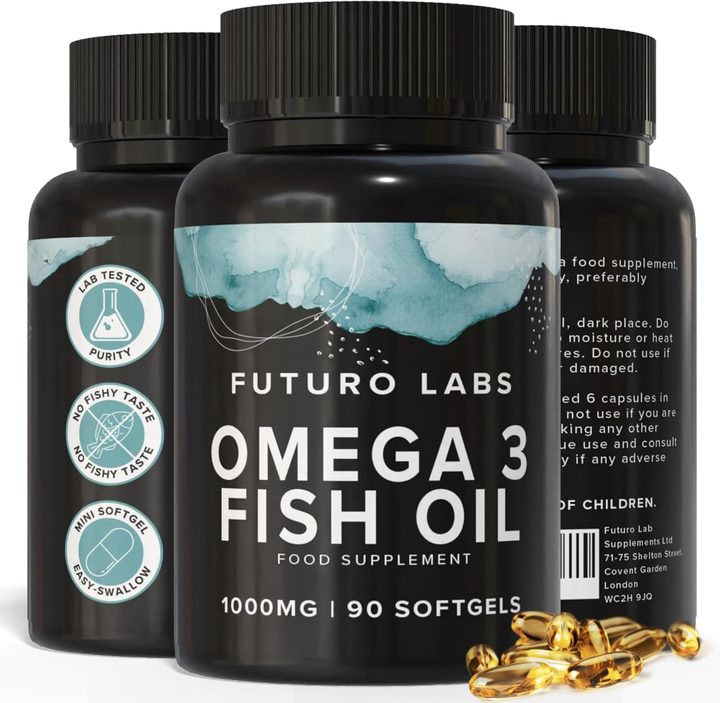
Our brand: the worked example on this page
Futuro Labs Omega 3 Fish Oil
- 17p a day
- 90 softgels, 1 softgel daily
- Lab tested
- Made in the UK
The pair, undivided: Futuro Labs Omega 3 Fish Oil on Amazon UK, 180mg EPA + 120mg DHA per softgel, £14.99 for 90 days. Label breakdown. The molecule-versus-molecule scoreboard is on the EPA vs DHA rounds page; the source map on which omega-3 has both.
The router: every goal people bring to this question, sent to its molecule
Which is better EPA or DHA has no standing answer because the question is incomplete until a goal is attached, so this page supplies the missing half for every goal the search actually carries. Heart health: neither, by regulatory design, the authorised claim reading 250mg of EPA and DHA combined and explicitly interchangeable, met by any honest product including the standard softgel. Brain function and vision: DHA, the only molecule of the pair holding solo claims, each conditioned on 250mg of DHA daily, met by DHA-rich concentrates and algae oils rather than standard splits. Blood triglycerides and blood pressure: neither again, the quantified 2g and 3g claims reading the pair combined, gram territory belonging inside GP conversations. Mood: EPA, in the honest research sense only, the depression trial literature repeatedly favouring EPA-predominant formulations in clinical populations while no claim of any kind has followed. Inflammation and joints: neither holds anything, the whole territory audited and retired across this section. Muscle, recovery, weight: neither, at any split, the claim voids covered on their own pages.
What the router means at the shelf, and the developmental footnote
Read the router as a shopping instruction and it compresses hard: unless your specific goal is the 250mg-of-DHA brain and vision territory, the split should not influence a single purchase, because every other mandated destination reads the pair combined and every EPA-forward destination is research participation priced as a premium, which is why this section's standing advice is the pair at whatever honest split the product carries, the standard 18:12 for most buyers, DHA-rich for the one mandated exception. The footnote worth adding for completeness: DHA also dominates the developmental literature, its structural role in infant brain and eye tissue being why pregnancy-and-breastfeeding omega-3 conversations centre on DHA and why maternal products are DHA-weighted, a territory this site notes and routes rather than advises on, since supplementation in pregnancy belongs with a midwife or GP, cod liver oil's vitamin A being a separate standing caution there. For everyone else the router's last line stands: the pair beats either alone, arrives together in every honest marine product, and costs 17p to stop worrying about.
| Your goal | The better molecule | The honest basis |
|---|---|---|
| Heart function (everyday) | Neither: combined | The 250mg claim is split-blind by design |
| Brain function and vision | DHA | Solo claims at 250mg of DHA: the one mandated split |
| Blood triglycerides, blood pressure | Neither: combined | The 2g and 3g claims read the pair; GP territory |
| Mood | EPA, as research only | Clinical trials favour EPA-heavy formulas; no claims exist |
| Inflammation, joints | Neither | No claims at any split: the audited void |
| Muscle, recovery, weight loss | Neither | Claim voids, covered on their own pages |
| Pregnancy and infant development | DHA-weighted, via a midwife or GP | The developmental literature; routed, not shelf-advised |
| Everyday use, no specific target | The pair | Together in every honest product at 17p |
The verdict, and the softgel that carries both answers
Which is better, EPA or DHA: DHA where the register says DHA, nowhere the register says EPA, combined everywhere the flagship claims live, and the pair by default, which makes the everyday purchase pleasingly indifferent to the whole contest: Futuro Labs Omega 3 Fish Oil carries both molecules at the shelf's natural split, 180mg EPA and 120mg DHA per softgel, 300mg combined clearing the one claim most buyers hold, one a day with dinner, £14.99 for 90 days at 17p, lab-tested, UK made. Attach a goal and this page routes it; attach no goal and the answer was always the same softgel, taken daily, with the better-molecule debate left to the marketing departments who needed it more than you ever did.
What to check on the label
- The answer is goal-shaped: better for what, always.
- DHA owns the mandated splits: brain and vision at 250mg of DHA.
- The flagship claims read combined: heart, triglycerides, pressure.
- EPA's territory is unclaimed research: mood trials, clinical populations.
- No goal attached: take the pair: 300mg combined, 17p, contest over.
Our brand
The worked example: Futuro Labs Omega 3 Fish Oil
Futuro Labs Omega 3 Fish Oil: 1 softgel daily with food, 1000mg fish oil providing 180mg EPA and 120mg DHA (300mg combined), 90 softgels for £14.99, 17p a day, lab-tested purity, UK GMP made. Gelatin shell, so not vegetarian.
- Fish oil per softgel
- 1000mg
- EPA / DHA per softgel
- 180mg / 120mg (300mg combined)
- Serving
- 1 softgel a day
- Bottle
- 90 softgels, 90 days
- Price
- £14.99 (17p a day)
- Softgel
- mini softgel, no fishy taste
Questions people also ask
Which is better for the heart, EPA or DHA?
Neither: the authorised claim reads 250mg of the two combined, deliberately interchangeable, which any honest 300mg softgel clears.
Which is better for the brain?
DHA, by mandate: brain-function and vision claims at 250mg of DHA daily, met by DHA-rich and algae products rather than standard splits.
Is EPA better for mood and anxiety?
The clinical depression literature favours EPA-heavy formulations, in patient populations at gram doses, and no claim has followed: research participation, not a shelf verdict.
Which matters more in pregnancy?
DHA dominates the developmental literature, which is why maternal products are DHA-weighted: supplementation there belongs with a midwife or GP, not an aisle decision.
If I have no specific goal, which should I buy?
The pair: both molecules arrive together in every honest fish or algae oil, and 300mg combined at 17p covers the everyday mandated territory.
Sources
- Futuro Labs Omega 3 Fish Oil listing: 1000mg fish oil per softgel providing 180mg EPA and 120mg DHA, 90 softgels. Amazon UK, accessed 31 August 2026. https://www.amazon.co.uk/dp/B0CP9T3BTN
- EFSA Panel on Dietetic Products. Scientific opinion on health claims related to DHA: maintenance of normal brain function and normal vision (250mg DHA daily condition of use). EFSA Journal 2010;8(10):1734. https://www.efsa.europa.eu/en/efsajournal/pub/1734
- EFSA Panel on Dietetic Products. Scientific opinion on the substantiation of health claims related to EPA and DHA and normal function of the heart (250mg daily condition of use). EFSA Journal 2010;8(10):1796. https://www.efsa.europa.eu/en/efsajournal/pub/1796
- Meta-analytic evidence on EPA-predominant omega-3 formulations in depression research: better signals for EPA-heavy preparations in clinical trial populations, with no authorised claims arising. PubMed record
- Commission Regulation (EU) No 536/2013 authorising health claims for DHA and EPA: maintenance of normal blood triglyceride concentrations (2g DHA+EPA/day) and normal blood pressure (3g DHA+EPA/day), with a supplemental limit note of 5g/day. https://eur-lex.europa.eu/legal-content/EN/TXT/?uri=CELEX%3A32013R0536
- Scientific Advisory Committee on Nutrition and Committee on Toxicity. Advice on fish consumption: benefits and risks (two portions of fish a week, one oily). TSO, 2004. https://www.gov.uk/government/publications/sacn-advice-on-fish-consumption-benefits-and-risks