Ghost Fitness/Guides/What is the difference between a supplement and a medicine in the UK?
What is the difference between a supplement and a medicine in the UK?
The short answer
A medicine treats or prevents disease and is licensed before sale on evidence; a supplement is a food to supplement the diet and needs no licence. Between them sit traditional herbal registrations, and the MHRA decides borderline cases.
- A medicinepresented for treating or preventing disease, or pharmacologically active: licensed before sale
- A supplementa food supplementing the diet: no licence, no pre-approval, claims from the register
- The middletraditional herbal registrations: safety and quality shown, efficacy not
- The refereethe MHRA, case by case, on presentation and function
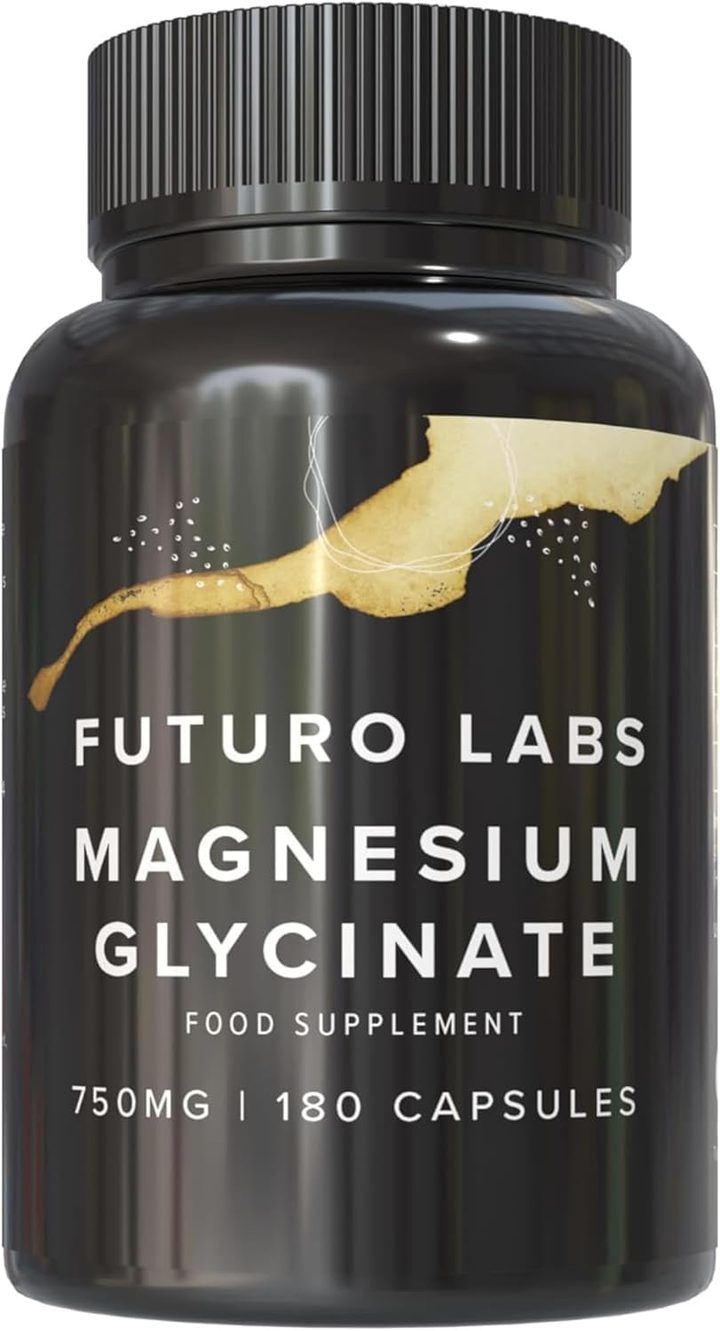
Our brand: the worked example on this page
Futuro Labs Magnesium Glycinate
- 22p a day
- 180 capsules, 2 capsules daily
- Lab tested
- Made in the UK
A food supplement on the supplement side of every line: Futuro Labs Magnesium Glycinate on Amazon UK, food supplement, authorised maintenance claims only, no disease language, £19.99 for 90 days at 22p. Full label breakdown. The regulated-as-food framework is on the regulation guide; the prescription boundary on the where-to-buy nootropics page.
The two lines, decided by presentation and function, and the consequences that follow each
The difference between a supplement and a medicine in the UK is a legal line with a definition on each side and consequences that follow, and the definitions turn on two tests the regulator applies. A medicine is a product presented as treating or preventing disease in humans, the presentation test, or one that has a significant pharmacological, immunological or metabolic action on the body, the function test, either test being enough, so that a product claiming to cure, treat or prevent a condition is a medicine by presentation whatever it contains, and a product whose active ingredient acts pharmacologically is a medicine by function whatever it claims. A food supplement is a concentrated source of nutrients or other substances with a nutritional or physiological effect, in dose form, intended to supplement the normal diet, a food in law, defined by the Food Supplements Regulations and governed by the food framework. The consequences differ completely. A medicine must be licensed by the MHRA before sale, on evidence of quality, safety and efficacy submitted in advance, is manufactured under pharmaceutical GMP, is monitored after sale through pharmacovigilance, and may be prescription-only, pharmacy-only or general sale depending on its risk, modafinil and melatonin being prescription-only examples the nootropic pages meet. A supplement needs no licence and no pre-approval, is placed on the market on the brand's own compliance, may make only the register's authorised maintenance claims and never a disease claim, and is enforced after the fact by trading standards, which is the whole gap the regulation guide describes and the reason a supplement label reads normal function and contributes to rather than treats or cures.
The middle category, the borderline cases the MHRA decides, and the lines read on a real label
Between the two lines sits a middle category that answers a question the herbal aisle raises: the Traditional Herbal Registration scheme, under which a herbal medicine with a long history of traditional use may be registered on evidence of safety and quality without proof of efficacy, carrying the THR mark and permitted to state its traditional use for minor conditions, a category into which many St John's wort, valerian and echinacea products fall, so that the same plant may appear as a food supplement claiming nothing, a THR product stating a traditional use, or, in principle, a licensed medicine, the difference being registration and presentation rather than botany. The borderline cases are the MHRA's to decide, case by case on presentation and function: a high-dose vitamin D product may cross into medicine territory by dose and claim, a supplement marketed with disease language crosses by presentation, a product containing a substance with pharmacological action, a hormone, a stimulant drug, an analogue, crosses by function and is often unlawful as a supplement outright, and the regulator publishes guidance on what is a medicinal product so that brands and enforcement officers draw the line the same way, the practical consequence for a buyer being that a supplement talking like a medicine is either mislabelled or unlawful and that a real medicine is not found on a supplement shelf. The lines read on a real label: the worked example says food supplement, prints magnesium's authorised maintenance claims, contributes to normal muscle function and the rest, uses no disease language, contains a listed mineral form with no pharmacological action beyond nutrition, and is therefore a supplement on every test, the side of the line where this site's whole method applies and the side where treats and cures never appear, because the moment they do the product has claimed to be something the law says it is not.
| The item | A medicine | A supplement |
|---|---|---|
| The definition | Presented for disease, or pharmacologically active | A food supplementing the diet |
| Before sale | Licensed by the MHRA on evidence | No licence; the brand's own compliance |
| The claims | Treats, prevents, cures, as licensed | Authorised maintenance claims only |
| After sale | Pharmacovigilance | Trading standards, reactively |
| The middle | Traditional herbal registrations: safety and quality, traditional use stated | The same plant may be a supplement claiming nothing |
| The referee | The MHRA, case by case | Presentation and function decide |
The verdict, two lines and one middle, read off the label
What is the difference between a supplement and a medicine in the UK: a medicine is presented for treating or preventing disease or acts pharmacologically, is licensed by the MHRA before sale on evidence and monitored after, and may be prescription-only; a supplement is a food supplementing the diet, needs no licence, may make only the register's authorised maintenance claims and is enforced after the fact; traditional herbal registrations sit between them, registered on safety and quality with a stated traditional use; and the MHRA decides borderline cases on presentation and function. The supplement side of every line: Futuro Labs Magnesium Glycinate, food supplement, a listed mineral form, four authorised maintenance claims and no disease word anywhere, £19.99 for 90 days at 22p a day, which is what a product looks like when it knows which side it is on.
What to check on the label
- Know the two tests: presentation and function.
- Know the consequences: licence before sale versus none.
- Read the claims accordingly: treats is medicine; contributes to is supplement.
- Recognise the middle: THR products state a traditional use.
- Distrust a supplement that talks like a medicine: mislabelled or unlawful.
Our brand
The worked example: Futuro Labs Magnesium Glycinate
Futuro Labs Magnesium Glycinate is the worked example for the buying guides because its label is the kind these guides teach you to demand: 1500mg magnesium bisglycinate at 20%, 300mg elemental, 80% NRV, 2 capsules a day, 180 capsules for £19.99, 22p a day, UK made, vegan, batch tested for lead, mercury, arsenic and cadmium, address printed, no proprietary blend, and the same four authorised claims any honest magnesium may carry.
- Elemental magnesium per serving
- 300mg (80% NRV)
- Form
- magnesium bisglycinate 20%
- Serving
- 2 capsules a day
- Bottle
- 180 capsules, 90 days
- Price
- £19.99 (22p a day)
- Capsule
- vegetarian shell, vegan product
Questions people also ask
What legally makes something a medicine in the UK?
Either of two tests: it is presented as treating or preventing disease, or it has a significant pharmacological, immunological or metabolic action, the MHRA deciding borderline cases on presentation and function.
Do supplements need a licence like medicines?
No: a supplement is a food placed on the market on the brand's own compliance, with no licence, no pre-approval of efficacy and enforcement after the fact, while a medicine is licensed on evidence before sale.
What is a traditional herbal registration?
The middle category: a herbal medicine with long traditional use registered on safety and quality without proof of efficacy, carrying the THR mark and stating a traditional use for minor conditions.
Can a supplement claim to treat anything?
No: treats, cures and prevents are medicine claims, and a supplement may print only the register's authorised maintenance claims, so a supplement talking like a medicine is mislabelled or unlawful.
Are melatonin and modafinil supplements?
No: both are prescription-only medicines in the UK, licensed and supplied through a GP and pharmacy, and products sold online as supplements containing them are outside the law.
Sources
- The MHRA's borderline guidance: a product is a medicine if it is presented as treating or preventing disease or has a significant pharmacological, immunological or metabolic action, determined case by case on presentation and function. https://www.gov.uk/government/publications/a-guide-to-what-is-a-medicinal-product
- The Traditional Herbal Registration scheme: herbal medicines with long traditional use may be registered on safety and quality evidence without proof of efficacy, sitting between food supplements and licensed medicines. https://www.gov.uk/guidance/herbal-medicines-granted-a-traditional-herbal-registration-thr
- The Food Supplements (England) Regulations 2003. https://www.legislation.gov.uk/uksi/2003/1387/contents/made
- UK medicines regulation: prescription-only medicines such as modafinil may only be supplied against a prescription through registered pharmacies, with the MHRA warning that online sellers of POMs are unlawful and products frequently falsified. https://www.gov.uk/government/organisations/medicines-and-healthcare-products-regulatory-agency