Ghost Fitness/Collagen/Do vitamins help with bones and joints for adults?
Do vitamins help with bones and joints for adults?
The short answer
Yes, by decade. Twenties: load and calcium build peak bone mass by about thirty. Forties and fifties: vitamin D, protein and vitamin K maintain it as menopause accelerates loss. Sixties on: protein per meal, vitamin D, and lifting against falls.
- Twentiespeak bone mass by the late twenties to around thirty: load, calcium, protein, winter vitamin D
- Forties and fiftiesslow decline, faster after menopause: vitamin D 10 micrograms, protein, vitamin K, calcium maintain
- Sixties onwardmuscle loss and falls are the bone risk: 25 to 30g protein per meal, vitamin D, resistance and balance training
- Collagen at every agejoint comfort research at ~10g over months, one bone trial at 5g: no claim
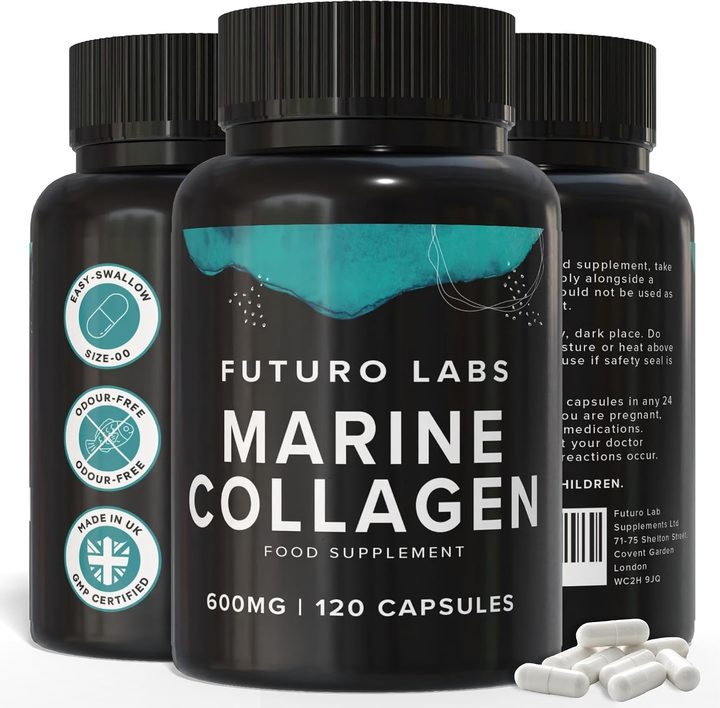
Our brand: the worked example on this page
Futuro Labs Marine Collagen
- 28p a day
- 120 capsules, 2 capsules daily
- Lab tested
- Made in the UK
On its true terms at any age: Futuro Labs Marine Collagen on Amazon UK, 2 capsules, 1200mg hydrolysed type 1 marine collagen with 12mg vitamin C at 15% NRV plus zinc, 120 for £16.99, 28p a day, lab tested and UK made, below the research doses and taken for vitamin C's collagen formation sentence for bones and cartilage. Full label breakdown. The verb audit is on the vitamins for strong bones and joints page; the natural levers ranked on the strengthen naturally page.
The twenties, and the forties and fifties
Do vitamins help with bones and joints for adults is a question whose word adults hides three different situations, because bone in a twenty-five-year-old, a fifty-year-old and a seventy-year-old is doing three different things, and the honest page answers by decade. The twenties first, the decade most readers of a lifting site are in and the one that matters most for later. Bone mineral density rises through childhood and adolescence and keeps rising into the late twenties, reaching its peak at around thirty and plateauing, and the peak bone mass literature's plain finding is that the bone a person carries into their sixties is largely set by what they built before thirty, so this is the decade to build and not to maintain. What builds it is load, progressive resistance training raising density at the spine and hip in the trials, with running and jumping loading the lower limbs; calcium from dairy, fortified plant milks, tinned fish with bones and greens, since the mineral has to come from somewhere; protein at around 1.6 grams per kilo, bone being a third protein and protein holding the register's sentence for the maintenance of normal bones; and vitamin D at ten micrograms through autumn and winter, the one pill, holding its sentences for bones, muscle function and calcium absorption. Joints in the twenties answer to training and to load management and need no pill, the collagen joint comfort research at ten grams over months being aimed at joints that already complain. The forties and fifties next, when the plateau ends and the maintenance begins. Bone declines slowly from around forty in everyone, and in women the years after menopause bring an acceleration as oestrogen falls, the menopause and bone literature's reason that bone guidance sharpens for post-menopausal women, so the vitamins shift from building to maintaining what was built. Vitamin D at ten micrograms through the winter, now with a stronger case for a year-round habit in a reader who is indoors; protein held at around 1.6 grams per kilo as appetite and habit drift down; vitamin K from leafy greens, holding the maintenance of normal bones and kept steady on warfarin; calcium from food, with a supplement only where the diet cannot reach it; and lifting continued, since bone loaded declines more slowly than bone rested. This is also the decade in which the collagen skin trials recruited, and in which the one collagen bone trial, five grams of a specific peptide for a year in postmenopausal women with low density, reported small gains, a single manufacturer-linked result with no claim beside the register's four bone sentences.
The sixties onward, and the vitamins across the three decades
The sixties onward changes what the bone risk is, and the vitamins follow it. Past sixty the thing that breaks a bone is usually a fall, and the thing that prevents a fall is muscle and balance, so bone health in this decade becomes a muscle question: muscle mass and strength decline with age, and the ageing muscle becomes anabolically resistant, needing more protein per meal to trigger the same synthesis, the protein distribution literature's finding that older adults do better spreading intake so each main meal reaches around twenty-five to thirty grams of complete protein rather than skewing it to dinner. Vitamin D matters here for its muscle function sentence as much as its bone one, deficiency in older adults producing the proximal weakness that makes a chair hard to rise from and a stair hard to climb, and the guidance leans toward year-round supplementation for those who are indoors or covered. Resistance training continues to load the bone and build the muscle, and balance training, standing on one leg, tai chi, the exercises a physiotherapist sets, addresses the fall directly, an intervention with better evidence for preventing fractures than any supplement. Joints in this decade are often osteoarthritic, and the clinical guidance for that puts exercise, weight management and education first, with supplements absent from the recommended pathway, so the collagen and glucosamine research is discussed as research with whoever manages the knee. Across the three decades the vitamins are constant and their job changes: vitamin D builds by permitting calcium absorption in the twenties, maintains bone in the fifties and holds up muscle in the seventies; vitamin C holds the collagen formation sentence for bones and cartilage at every age, met from fruit and vegetables; vitamin K maintains bone from leafy greens throughout; and the verb is always maintenance, never strengthens, because strength at every age is what load produces. Collagen holds no bone or joint sentence at any age, and the worked example says so on its true terms: two capsules, 1200mg hydrolysed type 1 marine collagen with 12mg vitamin C plus zinc, 120 for £16.99 at 28p a day, lab tested and UK made, below the research doses, taken for vitamin C's collagen formation sentence for bones and cartilage, a habit that suits the reader who has the decade's larger levers in hand. Do vitamins help with bones and joints for adults: yes, and which adult decides which, with load and protein doing the heavy work in every decade and vitamin D the one pill that every decade shares.
| The decade | What bone is doing | The vitamins and their job | The larger levers |
|---|---|---|---|
| Twenties | Still building toward peak bone mass at around thirty | Vitamin D through winter for calcium absorption; vitamin C for collagen formation | Progressive load, calcium from food, protein ~1.6g per kilo |
| Forties and fifties | Plateau ends; slow decline, faster after menopause | Vitamin D 10 micrograms, vitamin K from greens, both maintenance of normal bones | Lifting continued, protein held, calcium from food |
| Sixties onward | Falls and muscle loss become the bone risk | Vitamin D for muscle function and bones, often year-round | 25 to 30g protein per meal, resistance and balance training |
| Joints at every age | Training answers most; osteoarthritis guidance puts exercise first | Vitamin C's cartilage sentence; no vitamin holds a joint pain sentence | Load management, weight, a physiotherapist |
| Collagen at every age | No bone or joint sentence | Joint comfort research at ~10g over months; one bone trial at 5g | Research, discussed with whoever manages the joint |
| The worked exampleOurs | Two capsules, 1200mg marine collagen with 12mg vitamin C plus zinc, 28p a day | Vitamin C's collagen formation for bones and cartilage | After the decade's levers |
What to check on the label
- Build before thirty: load, calcium, protein, winter vitamin D.
- Maintain through the fifties: vitamin D, vitamin K, protein, keep lifting.
- Protect against falls after sixty: protein per meal, vitamin D, balance work.
- Keep the verb maintenance: strength is load's at every age.
- Treat collagen as research in every decade: vitamin C carries its label's sentence.
Our brand
The worked example: Futuro Labs Marine Collagen
Futuro Labs Marine Collagen: 2 capsules daily, 1200mg hydrolysed type 1 marine collagen with 12mg vitamin C and 1.5mg zinc (15% NRV each), 120 capsules for £16.99, 60 days at 28p a day, lab-tested, UK GMP made. Slim veggie-shell capsules, odour free. Fish derived: pescatarian, not vegetarian or vegan.
- Collagen per serving
- 1200mg hydrolysed type 1 marine (fish)
- Co-factors
- vitamin C 12mg (15% NRV), zinc 1.5mg (15% NRV)
- Serving
- 2 capsules a day
- Bottle
- 120 capsules, 60 days
- Price
- £16.99 (28p a day)
- Capsule
- slim size 00, veggie shell, odour free
Questions people also ask
At what age should adults start taking vitamins for bones?
Vitamin D from the first UK winter as an adult, ten micrograms a day through autumn and winter by guidance, since the sun cannot supply it from October to March, with everything else, calcium, protein, vitamin C and vitamin K, met from food in every decade and load doing the building before thirty.
Do women need different bone vitamins after menopause?
The same vitamins with a sharper case: the fall in oestrogen accelerates bone loss in the years after menopause, so vitamin D through the winter, vitamin K from leafy greens, protein held at around 1.6 grams per kilo and calcium from food maintain what was built, all holding bone sentences, with lifting continued to load the bone.
What helps bones and joints most after sixty?
Muscle and balance, because the fracture risk is the fall: protein spread at twenty-five to thirty grams per meal to counter anabolic resistance, vitamin D for its muscle function and bone sentences, resistance training to load bone and build muscle, and balance training, which has better fracture evidence than any supplement.
Is collagen worth taking for bones and joints as you get older?
As research with no claim: five grams of a specific peptide for a year in postmenopausal women with low density reported small bone gains in one manufacturer-linked trial, and around ten grams over months reduced joint discomfort modestly in small trials, so it is discussed with whoever manages the joint, after load, protein and vitamin D.
Does vitamin C help joints in adults?
It holds the only cartilage sentence, contributing to normal collagen formation for the normal function of cartilage and bones, a maintenance role at every age met from fruit and vegetables and carried on collagen labels that include it, with no vitamin holding a joint pain sentence.
Sources
- The peak bone mass literature: bone mineral density rises through childhood and adolescence, reaches its peak in the late twenties to around thirty, plateaus, and declines slowly thereafter with an acceleration in women in the years after menopause, so the bone a person carries into later life is largely set by loading, calcium, vitamin D and protein before thirty and maintained after. PubMed record
- The menopause and bone literature: the decline in oestrogen around menopause accelerates bone loss in the following years, the reason bone health guidance sharpens for post-menopausal women. PubMed record
- The protein distribution literature: studies in older adults support spreading intake so each main meal reaches roughly 25-30g of complete protein, countering anabolic resistance better than skewed patterns. PubMed record
- The GB claims register, vitamin D entries: vitamin D contributes to normal bones, teeth, muscle function, immune function and calcium absorption, with UK guidance suggesting 10 micrograms daily in autumn and winter. https://www.gov.uk/government/publications/great-britain-nutrition-and-health-claims-nhc-register