Ghost Fitness/Magnesium/Should weightlifters take magnesium?
Should weightlifters take magnesium?
The short answer
By audit, as for any lifter, and weightlifting adds two angles: a weight-class athlete cutting water and food before a meet drains magnesium through the diuresis and the shrunken plate, the phase most likely to run short; and competitive weightlifting is a drug-tested sport, so a competing lifter takes only certified products matched by batch, which this site's example is not.
- By auditgreens, nuts, seeds, legumes and wholegrains counted on a training day; a shortfall closed at 300mg elemental
- The weight-class cutwater manipulation and a shrunken plate before a meet: diuresis and low intake together
- The tested sportcompetitive weightlifting under UK Anti-Doping: certified products, batch matched
- This site's examplebatch tested for metals, uncertified: for the untested gym lifter
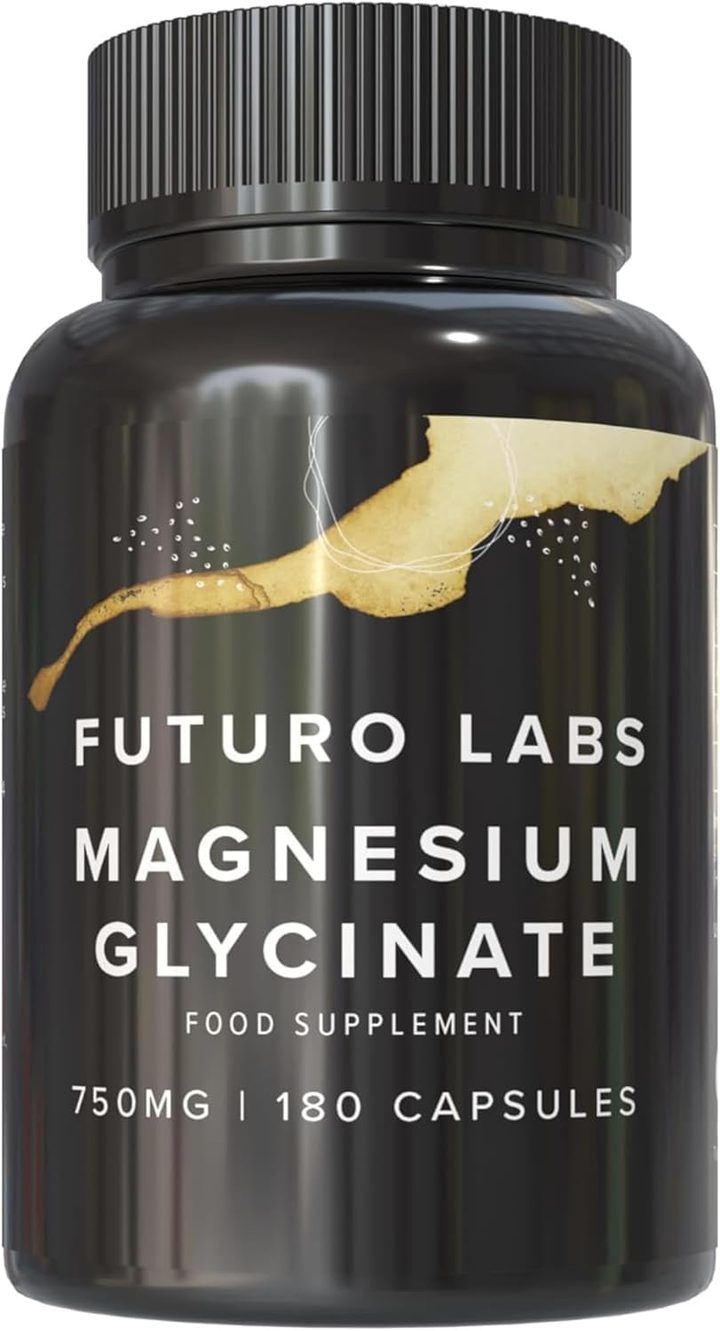
Our brand: the worked example on this page
Futuro Labs Magnesium Glycinate
- 22p a day
- 180 capsules, 2 capsules daily
- Lab tested
- Made in the UK
For the gym weightlifter who is not tested: Futuro Labs Magnesium Glycinate on Amazon UK, bisglycinate, 300mg elemental at 80% NRV, batch tested for metals, no sports certification, £19.99 for 90 days at 22p. Full label breakdown. The athletes flagship is here; the recreational-versus-tested line on the recreational guide.
By audit, as for any lifter, and the first angle the sport adds, the weight-class cut
Should weightlifters take magnesium has the answer every lifter gets, by audit, and two angles the sport adds. The audit first: magnesium holds the register's most training-relevant claims, normal muscle function, energy-yielding metabolism, protein synthesis, electrolyte balance and the reduction of tiredness and fatigue, athletes lose more of it in sweat and urine and often eat less of it on training diets built on protein and refined carbohydrate, and the trials show repletion improving performance markers where status was low and nothing where it was adequate, the athletes flagship's deficiency pattern, so a weightlifter counts the greens, nuts, seeds, legumes and wholegrains on an ordinary training day and closes a shortfall at 300mg elemental as bisglycinate with the evening meal, or takes nothing if the plate covers it. The first angle the sport adds is the weight-class cut: a weightlifter making weight for a meet typically manipulates water in the final days, sweating, restricting fluid, sometimes using saunas, and shrinks the plate for a week or two before that, and both drain magnesium at once, the diuresis of water manipulation increasing urinary and sweat losses while the shrunken plate drops the nuts, seeds and wholegrains that carried it, so the fortnight before a meet is the phase in which a weightlifter is most likely to run genuinely short, and the fortnight in which the neuromuscular signs of a shortfall, twitches, cramps and a tremor on the platform, would matter most, the honest response being a maintained 300mg elemental through the cut, kept with what food remains, and the water manipulation itself planned with a coach and never improvised.
The second angle, the drug-tested federation, and what it means for which product a competing weightlifter may take
The second angle changes the product rather than the dose: competitive weightlifting in the UK is a drug-tested sport, its federation operating under UK Anti-Doping's rules with testing at competitions and out of competition under the strict-liability principle, and a weightlifter who competes, at any level the federation tests, is a tested athlete for whom supplements carry a doping risk that a gym lifter does not have, contaminated and adulterated products having produced positives and the label, the receipt and the brand's word being no defence. For that lifter the rule is the tested athlete's rule on every certification page here: take only products certified by a batch-testing programme, Informed Sport being the one UK federations point to, match the batch number on the tub to the programme's database before taking it, keep the batch number, the receipt and a screenshot, and follow the federation's own guidance, UK Anti-Doping's three steps being assess the need, assess the risk and assess the consequences, with the safest supplement being the one not taken. This site's worked example is stated plainly for that reader: batch tested for lead, mercury, arsenic and cadmium, UK made under GMP, and not Informed Sport certified, so a competing weightlifter does not take it and chooses a certified magnesium from the programme's database instead, while the gym weightlifter who lifts the same bar and enters no meet faces no test and is the reader the example serves. The question filed: weightlifters take magnesium by audit like any lifter, with the weight-class cut as the phase most likely to run short and worth a maintained dose, and the drug-tested federation making a certified product the rule for competitors, the worked example being for the untested gym lifter, bisglycinate at 300mg elemental, batch tested, uncertified, £19.99 for 90 days at 22p.
| The item | The finding | The instruction |
|---|---|---|
| The audit | The register's most training-relevant claims; repletion helps where short | Count the plate; 300mg elemental if it runs light |
| The weight-class cut | Water manipulation and a shrunken plate drain magnesium together | A maintained dose through the fortnight; the cut planned with a coach |
| The platform signs | Twitches, cramps, tremor from a shortfall | The fortnight they matter most |
| The tested federation | UK Anti-Doping rules; strict liability | Certified products only, batch matched, records kept |
| This site's example | Batch tested for metals; not certified | For the untested gym lifter; a competitor chooses from the database |
| The three steps | Assess the need, the risk, the consequences | The safest supplement is the one not taken |
The verdict, by audit, through the cut, and certified if you compete
Should weightlifters take magnesium: by audit, as any lifter does, magnesium holding the register's most training-relevant claims and repletion helping only where a plate runs short, with the sport adding a weight-class cut that drains magnesium through water manipulation and a shrunken plate and makes the fortnight before a meet the phase to maintain a dose through, and a drug-tested federation under UK Anti-Doping that makes a certified, batch-matched product the only product a competing weightlifter takes, this site's example being batch tested for metals, uncertified, and for the gym lifter who enters no meet. For that reader: Futuro Labs Magnesium Glycinate, bisglycinate, 300mg elemental at 80% NRV, £19.99 for 90 days at 22p a day.
What to check on the label
- Audit the plate: 300mg elemental only if it runs light.
- Maintain through the cut: water manipulation and a small plate drain it.
- Plan the cut with a coach: never improvised.
- If you compete, buy certified: batch matched, records kept.
- Know this site's example is uncertified: for the gym lifter only.
Our brand
The worked example: Futuro Labs Magnesium Glycinate
Futuro Labs Magnesium Glycinate is the worked example for magnesium reviews because its label states every number a review needs: 1500mg magnesium bisglycinate at 20%, 300mg elemental, 80% NRV, 2 capsules a day, 180 capsules for £19.99, 22p a day, UK made, vegan HPMC shell, batch tested for lead, mercury, arsenic and cadmium, and only the register's own magnesium claims printed.
- Elemental magnesium per serving
- 300mg (80% NRV)
- Form
- magnesium bisglycinate 20%
- Serving
- 2 capsules a day
- Bottle
- 180 capsules, 90 days
- Price
- £19.99 (22p a day)
- Capsule
- vegetarian shell, vegan product
Questions people also ask
Do weightlifters need magnesium supplements?
By audit: magnesium holds the register's most training-relevant claims and repletion helps where a plate runs short, so a weightlifter counts the greens, nuts, seeds, legumes and wholegrains on a training day and closes a shortfall at 300mg elemental as bisglycinate, or takes nothing if the plate covers it.
Does cutting weight for a meet affect magnesium?
Yes, twice over: water manipulation in the final days increases urinary and sweat losses, and the shrunken plate of the preceding fortnight drops the foods that carry magnesium, making the pre-meet fortnight the phase most likely to run short and the one to maintain a dose through.
Can a competitive weightlifter take any magnesium supplement?
No: competitive weightlifting is drug-tested under UK Anti-Doping's strict-liability rules, so a competing lifter takes only products certified by a batch-testing programme such as Informed Sport, matched by batch on the database with records kept, and follows the federation's guidance.
Is this site's magnesium suitable for a competing weightlifter?
No: it is batch tested for lead, mercury, arsenic and cadmium and UK made under GMP, but it is not Informed Sport certified, so a tested athlete chooses a certified magnesium from the programme's database and the worked example serves the gym lifter who enters no meet.
What are UK Anti-Doping's three steps for supplements?
Assess the need, whether the supplement does anything the diet does not; assess the risk, choosing batch-tested products and matching the batch; and assess the consequences, a ban and a career against the benefit, with the safest supplement being the one not taken.
Sources
- Lukaski HC. Magnesium, zinc, and chromium nutriture and physical activity. American Journal of Clinical Nutrition 2000;72(2 Suppl):585S-593S. PubMed record
- The drug-tested amateur federations: several UK strength-sport federations conduct anti-doping testing at amateur meets under strict-liability rules, so a recreational lifter who enters one is a tested athlete for that purpose. https://www.ukad.org.uk/athletes/supplements
- The sports supplement certification programmes: Informed Sport, Informed Choice, BSCG and NSF Certified for Sport test products or batches for banned substances, the assurance competing athletes rely on. https://sport.wetestyoutrust.com/
- The GB claims register, magnesium entries: magnesium contributes to a reduction of tiredness and fatigue, normal psychological function, normal nervous system function, normal muscle function and electrolyte balance, among others. https://www.gov.uk/government/publications/great-britain-nutrition-and-health-claims-nhc-register