Ghost Fitness/Magnesium/Is magnesium good for athletes?
Is magnesium good for athletes?
The short answer
Good where an athlete is short, which is common: magnesium holds the register's most training-relevant claims, muscle function, energy metabolism, protein synthesis, electrolyte balance and fatigue, athletes lose more and eat less of it, and the trials show repletion improving low status and nothing for replete. A diet audit decides.
- The claimsmuscle function, energy-yielding metabolism, protein synthesis, electrolyte balance, tiredness and fatigue, bones: the register's most training-relevant set
- Why athletes run shorthigher sweat and urinary losses, and training diets built on protein and refined carbohydrate
- The trialssupplementation improves performance markers in athletes with low status; nothing in the replete
- The verdictnot a performance enhancer; the best-supported mineral for a lifter to audit
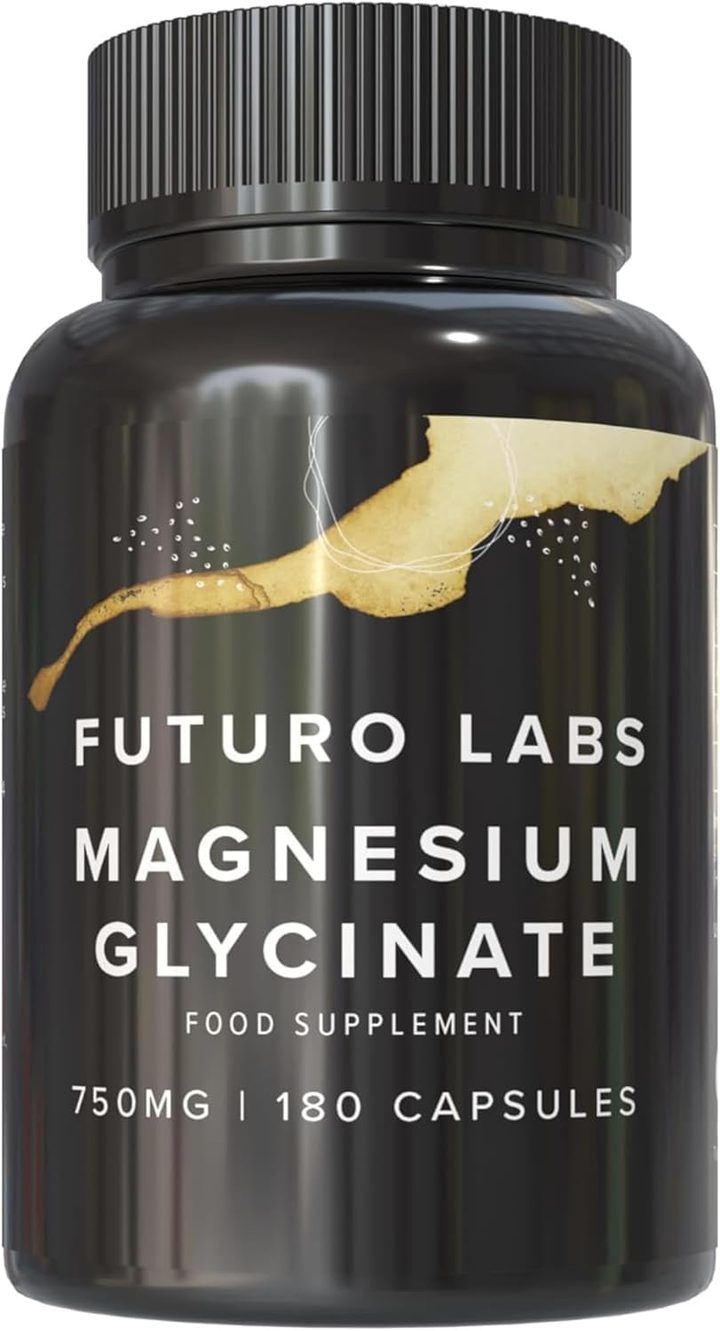
Our brand: the worked example on this page
Futuro Labs Magnesium Glycinate
- 22p a day
- 180 capsules, 2 capsules daily
- Lab tested
- Made in the UK
The athlete's mineral, stated with its claims and its maths: Futuro Labs Magnesium Glycinate on Amazon UK, bisglycinate, 300mg elemental at 80% NRV, muscle function, energy metabolism, protein synthesis and fatigue among its printed claims, £19.99 for 90 days at 22p. Full label breakdown. The gym-goer's form page is here; the athletes' dose on the athletes dose page.
The claims, which are the honest reason this mineral belongs in a lifter's conversation, and why athletes run short
Is magnesium good for athletes is the question this section's every page orbits, and the honest answer has a shape most supplement answers lack: yes where an athlete is short, which is common, and not otherwise, with the reasons for both halves worth laying out in full, because the search variants, magnesium for lifters, for strength training, for bodybuilding, benefits of bisglycinate, whether bodybuilders take it, all want the same audit. The claims first, because they are the reason magnesium is a serious conversation for a lifter where a mushroom or a botanical is not: the register authorises that magnesium contributes to normal muscle function, to normal energy-yielding metabolism, to normal protein synthesis, to electrolyte balance, to the reduction of tiredness and fatigue, to normal nervous system function and psychological function, and to the maintenance of normal bones and teeth, a set of sentences that reads like a lifter's shopping list and that no other single mineral matches for training relevance, each a maintenance claim assessed on evidence and each lawful on a label at 15% NRV or more. Why athletes run short, the second reason: magnesium is lost in sweat, tens of milligrams a session and more in long hot training, and in urine at higher rates under heavy training, so an athlete's requirement sits a little above the reference nutrient intake of 300mg for men and 270mg for women, while the training diet that surrounds it, protein-heavy, often built on refined carbohydrate for fuel and light on the leafy greens, nuts, seeds, legumes and wholegrains that carry magnesium, frequently supplies less than a sedentary mixed diet would, the sports nutrition literature finding marginal magnesium status common among athletes, particularly those in weight-controlled and endurance sports. Higher losses and lower intake, in the population the claims describe, is the case for the audit.
The trials, which show a deficiency pattern rather than an enhancement, and the honest bracket
The trials are the part the marketing inflates and the honest reading keeps: the exercise and magnesium reviews find that magnesium status associates with performance measures, strength, power, endurance markers, in cross-sectional data, and that supplementation improves performance markers in trials where the athletes' baseline status was low or marginal, the volleyball trial's improved jumping in players with measured marginal status being the clean example, the older strength trial in untrained subjects a suggestive one, and the studies of magnesium in replete, well-fed athletes finding nothing, the ZMA formula's independent trial in trained men being the clearest null. That is a deficiency-repletion pattern, the same shape as zinc's and vitamin D's: correcting a shortfall restores what the shortfall was costing, and adding magnesium to a replete athlete adds nothing, which means magnesium is not a performance enhancer in any sense the marketing implies and is, for the athlete who is short, the mineral whose repletion most plausibly restores muscle function, energy metabolism and the resistance to fatigue the register's sentences describe. The honest bracket places it: above the botanical and mushroom drawer, which holds no claims and thin files; beside vitamin D and zinc as an audited maintenance nutrient; below creatine, protein, training and sleep, which hold the growth and performance evidence outright; and dosed at 300mg elemental as bisglycinate, most of the reference value in the best-tolerated salt, with the evening meal, for a lifter whose diet audit, greens, nuts, seeds, legumes and wholegrains counted honestly, finds a gap. Do bodybuilders take it, the variant asks: many do, some for the right reason and many for the testosterone and sleep reasons the register does not support, the magnesium-for-testosterone pages holding that no claim exists and the sleep flagship holding the same, and the bodybuilder who takes it for its actual sentences on a diet that runs light is taking the best-supported mineral on the shelf for exactly what it does. The verdict: magnesium is good for the athlete who is short, which the audit decides, is the register's most training-relevant mineral, is not a performance enhancer, and is the worked example's whole proposition, bisglycinate at 300mg elemental and 80% NRV with the claims printed and nothing borrowed, £19.99 for 90 days at 22p.
| The item | The finding | The consequence |
|---|---|---|
| The claims | Muscle function, energy metabolism, protein synthesis, electrolyte balance, fatigue, bones | The most training-relevant set any mineral holds |
| Why athletes run short | Sweat and urinary losses; training diets light in magnesium foods | Marginal status is common |
| The trials | Repletion improves markers in low status; nothing in the replete | A deficiency pattern, not enhancement |
| The bracket | Above botanicals; beside vitamin D and zinc; below creatine, protein, training, sleep | Audited, not automatic |
| The dose | 300mg elemental as bisglycinate with the evening meal | Where the audit finds a gap |
| The wrong reasons | Testosterone, sleep | No claim for either |
The verdict, the best-supported mineral to audit and nothing more
Is magnesium good for athletes: good where an athlete is short, which is common because sweat and urinary losses rise with training and training diets run light in the foods that carry it, and magnesium holds the register's most training-relevant claims, muscle function, energy metabolism, protein synthesis, electrolyte balance and fatigue, with the trials showing repletion improving low status and nothing for the replete, a deficiency pattern rather than enhancement, so that a diet audit decides and the mineral sits above the botanical drawer, beside vitamin D and zinc, and below creatine, protein, training and sleep. The athlete's mineral, stated honestly: Futuro Labs Magnesium Glycinate, bisglycinate, 300mg elemental at 80% NRV with its claims printed and nothing borrowed, £19.99 for 90 days at 22p a day.
What to check on the label
- Read the claims: the register's most training-relevant mineral.
- Check whether you run short: losses up, magnesium foods down.
- Read the trials as a deficiency pattern: repletion helps low status only.
- Place it in the bracket: audited maintenance, not enhancement.
- Dose by audit: 300mg elemental, bisglycinate, the evening meal.
Our brand
The worked example: Futuro Labs Magnesium Glycinate
Futuro Labs Magnesium Glycinate is the worked example for magnesium reviews because its label states every number a review needs: 1500mg magnesium bisglycinate at 20%, 300mg elemental, 80% NRV, 2 capsules a day, 180 capsules for £19.99, 22p a day, UK made, vegan HPMC shell, batch tested for lead, mercury, arsenic and cadmium, and only the register's own magnesium claims printed.
- Elemental magnesium per serving
- 300mg (80% NRV)
- Form
- magnesium bisglycinate 20%
- Serving
- 2 capsules a day
- Bottle
- 180 capsules, 90 days
- Price
- £19.99 (22p a day)
- Capsule
- vegetarian shell, vegan product
Questions people also ask
Should I take magnesium as a lifter?
If a diet audit finds intake short, which is common on a protein-heavy training diet light in greens, nuts, seeds, legumes and wholegrains: magnesium holds the register's muscle-function, energy-metabolism, protein-synthesis and fatigue claims, and repletion restores what a shortfall costs, at 300mg elemental as bisglycinate with the evening meal.
Does magnesium improve athletic performance?
In athletes with low or marginal status, trials show improved performance markers with supplementation; in replete athletes, nothing, so it is a deficiency-repletion effect rather than a performance enhancement.
Do athletes need more magnesium than other people?
A little: sweat and urinary losses rise with training, placing an athlete's requirement somewhat above the 300mg reference nutrient intake for men and 270mg for women, while training diets often supply less than a mixed sedentary diet.
What are the benefits of magnesium bisglycinate for bodybuilding?
The register's maintenance sentences where intake runs short, normal muscle function, energy metabolism, protein synthesis and reduced fatigue, in the best-tolerated salt; the testosterone and sleep reasons bodybuilders often cite hold no claim.
Where does magnesium rank against other supplements for a lifter?
Above the botanical and mushroom drawer, beside vitamin D and zinc as an audited maintenance nutrient, and below creatine, protein, a progressive programme and sleep, which hold the growth and performance evidence outright.
Sources
- The GB claims register, magnesium entries: magnesium contributes to a reduction of tiredness and fatigue, normal psychological function, normal nervous system function, normal muscle function and electrolyte balance, among others. https://www.gov.uk/government/publications/great-britain-nutrition-and-health-claims-nhc-register
- Zhang Y, Xun P, Wang R, Mao L, He K. Can magnesium enhance exercise performance? Nutrients 2017;9(9):946. https://pubmed.ncbi.nlm.nih.gov/28846654/
- Setaro L, et al. Magnesium status and the physical performance of volleyball players: effects of magnesium supplementation. Journal of Sports Sciences 2014;32(5):438-445. PubMed record
- Lukaski HC. Magnesium, zinc, and chromium nutriture and physical activity. American Journal of Clinical Nutrition 2000;72(2 Suppl):585S-593S. PubMed record