Ghost Fitness/Magnesium/What type of magnesium is good for inflammation?
What type of magnesium is good for inflammation?
The short answer
No magnesium is anti-inflammatory; no claim is authorised. Trials show modest falls in C-reactive protein with supplementation, mainly in people started with raised levels and low magnesium. Glycinate, 300mg elemental, is the form; training inflammation is repair, not the enemy.
- 0authorised inflammation claims for magnesium
- CRPthe blood marker the trials measured
- Modestthe fall, mainly where CRP was raised and magnesium low
- 22pa day for the worked example
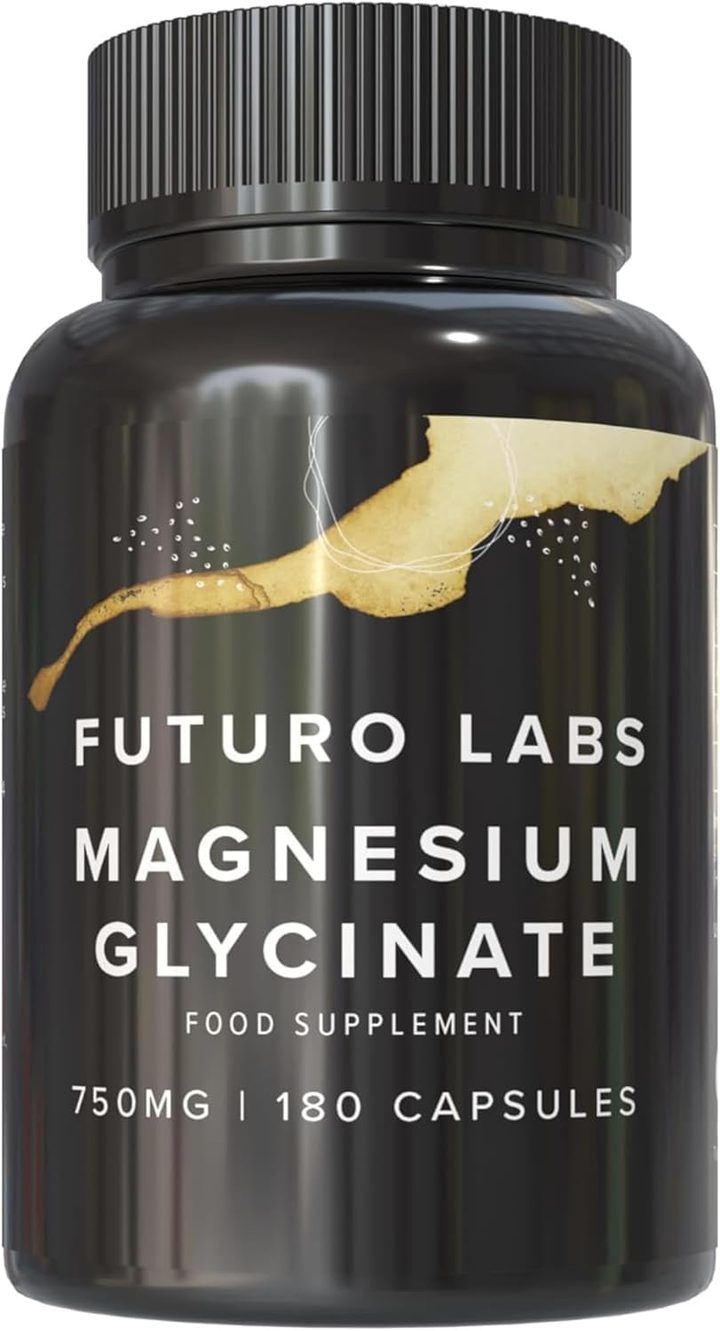
Our brand: the worked example on this page
Futuro Labs Magnesium Glycinate
- 22p a day
- 180 capsules, 2 capsules daily
- Lab tested
- Made in the UK
Worked example: Futuro Labs Magnesium Glycinate on Amazon UK, 180 capsules for £19.99. Label breakdown.
What the inflammation research actually shows
Two strands. Observational first: King's 2005 analysis of US dietary data found adults with low magnesium intakes were more likely to have elevated C-reactive protein, the standard blood marker of low-grade inflammation. Then trials: Simental-Mendia's 2017 meta-analysis pooled the randomised studies of magnesium supplementation and found a modest reduction in CRP, concentrated in people who started with raised CRP, and the wider literature ties the effect to people whose magnesium was low. Read together, the honest sentence is: a low magnesium intake is associated with low-grade inflammation, and correcting a low intake modestly lowers the marker in people who had both. No trial shows an anti-inflammatory effect in healthy people with normal intakes, and no inflammation claim is authorised for any magnesium in the UK.
Training inflammation is not the target
The soreness and swelling after a hard session is acute inflammation doing its job: it is the clean-up and rebuild signal, and blunting it on purpose is how you blunt adaptation, which is the argument against routine ice baths and pre-training painkillers. The inflammation the CRP research is about is the chronic, low-grade kind that tracks with poor diet, excess body fat, bad sleep and inactivity. A lifter chasing an anti-inflammatory supplement is usually solving the wrong problem; the levers on chronic inflammation are body fat, sleep, alcohol, fish and plants in the diet, and training itself, which lowers resting inflammation over months.
| Type | Elemental magnesium | Inflammation evidence specific to the form | Verdict |
|---|---|---|---|
| Glycinate (bisglycinate)Ours | about 14% to 20% | None form-specific; the CRP trials used various salts | The form to hold at 300mg daily |
| Citrate | about 16% | None form-specific | Fine in the morning; laxative at a full dose |
| Malate, taurate, threonate | about 8% to 15% | None | No reason to pay more |
| Oxide | about 60%, about 4% absorbed | Used in some trials at high doses | Mostly unabsorbed; skip |
| Anti-inflammatory blends with turmeric or omega-3 | varies | Each ingredient has its own evidence and doses | Judge each ingredient on its own label; blends hide both |
Which type to take, and with what expectation
Glycinate, 300mg elemental, with the evening meal, because the CRP effect where it exists comes from correcting intake, and glycinate is the form a full dose can be held on. The worked example, Futuro Labs Magnesium Glycinate, gives 300mg elemental from 1500mg chelated bisglycinate in 2 capsules, 80% NRV, from a vegan capsule made in the UK under GMP and BRC certification and third-party tested for heavy metals and microbiology, 180 capsules for £19.99, 22p a day. The expectation to hold: normal muscle function, electrolyte balance and less tiredness where intake was low, per the authorised claims, and a modest CRP effect only if you were the person the trials describe. Joint pain, persistent swelling or an inflammatory condition are GP territory, and a supplement page is not where they get solved.
What to check on the label
- No anti-inflammatory, joint or immune claims on any magnesium label; none are authorised.
- Elemental magnesium 300mg per serving, 80% NRV printed.
- Glycinate first; the form does not change the inflammation evidence.
- Skip blends that bundle magnesium with turmeric or fish oil at unprinted doses.
- A GP for joint pain, persistent swelling or a suspected inflammatory condition.
Our brand
The worked example: Futuro Labs Magnesium Glycinate
Futuro Labs Magnesium Glycinate is the worked example: 300mg elemental per 2 capsules (80% NRV) from chelated bisglycinate, vegan, UK made, third-party tested, 22p a day from a £19.99 bottle of 180. Taken to correct intake; the inflammation levers are sleep, body fat and training.
- Elemental magnesium per serving
- 300mg (80% NRV)
- Form
- magnesium bisglycinate 20%
- Serving
- 2 capsules a day
- Bottle
- 180 capsules, 90 days
- Price
- £19.99 (22p a day)
- Capsule
- vegetarian shell, vegan product
Questions people also ask
Does magnesium reduce inflammation?
Trials show a modest fall in C-reactive protein mainly in people with raised CRP and low magnesium. No effect is shown in healthy people with normal intakes, and no claim is authorised.
Which magnesium is best for joint inflammation?
None treats joints; no claim is authorised. Persistent joint pain or swelling is a GP matter. Glycinate at 300mg elemental covers the intake side.
Is magnesium glycinate anti-inflammatory?
The form is irrelevant; the trials used various salts. The effect, where seen, comes from correcting a low intake.
Should I take magnesium after training to reduce inflammation?
Training inflammation is the repair signal and not something to blunt. Take magnesium daily for intake, not as a post-session anti-inflammatory.
What actually lowers chronic inflammation?
Losing excess body fat, sleeping, less alcohol, fish and plants in the diet, and consistent training. Supplements sit behind all of those.
Sources
- Futuro Labs Magnesium Glycinate listing, Amazon UK, label and price checked 31 August 2026. https://www.amazon.co.uk/dp/B0BT7Z5VQW
- King DE, Mainous AG, Geesey ME, Woolson RF. Dietary magnesium and C-reactive protein levels. Journal of the American College of Nutrition 2005;24(3):166-171. PubMed record
- Simental-Mendía LE, Sahebkar A, Rodríguez-Morán M, Zambrano-Galván G, Guerrero-Romero F. Effect of magnesium supplementation on plasma C-reactive protein concentrations: a systematic review and meta-analysis of randomized controlled trials. Current Pharmaceutical Design 2017;23(31):4678-4686. PubMed record
- Zhang Y, Xun P, Wang R, Mao L, He K. Can magnesium enhance exercise performance? Nutrients 2017;9(9):946. https://pubmed.ncbi.nlm.nih.gov/28846654/
- EFSA Panel on Dietetic Products, Nutrition and Allergies. Scientific Opinion on the substantiation of health claims related to magnesium. EFSA Journal 2010;8(10):1807. https://efsa.onlinelibrary.wiley.com/doi/10.2903/j.efsa.2010.1807
- Expert Group on Vitamins and Minerals. Safe Upper Levels for Vitamins and Minerals. Food Standards Agency, 2003 (magnesium guidance level 400mg a day from supplements). https://cot.food.gov.uk/sites/default/files/vitmin2003.pdf