Ghost Fitness/Magnesium/What type of magnesium is in Vitabiotics Ultra Magnesium?
What type of magnesium is in Vitabiotics Ultra Magnesium?
The short answer
The ingredients list says, not the front: the salt named after magnesium, oxide, citrate, bisglycinate or a blend of several, is the type, and the nutrient line's %NRV gives the elemental dose. Premium multi-formula brands often use oxide.
- Where the type isthe ingredients list: the salt named, or several in a blend
- Where the dose isthe nutrient line: magnesium in mg with %NRV, elemental
- The common patternlarge multi-formula vitamin brands often use oxide, sometimes an oxide-led blend
- What the type tells a lifteroxide: cheap, concentrated, poorly absorbed, laxative; citrate: better; bisglycinate: best tolerated
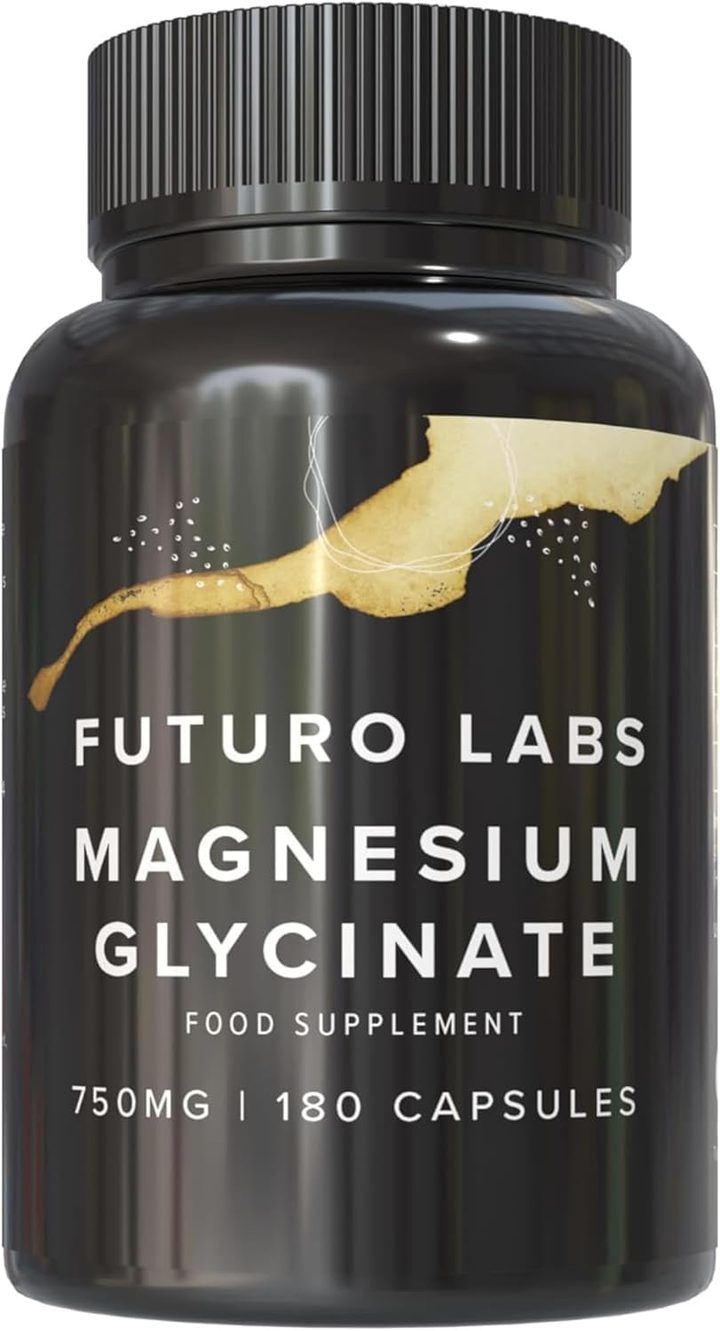
Our brand: the worked example on this page
Futuro Labs Magnesium Glycinate
- 22p a day
- 180 capsules, 2 capsules daily
- Lab tested
- Made in the UK
The type stated in one word, with its maths: Futuro Labs Magnesium Glycinate on Amazon UK, magnesium bisglycinate 1500mg giving 300mg elemental at 80% NRV, £19.99 for 90 days at 22p. Full label breakdown. The forms compared on the glycinate-citrate-oxide page; the elemental teach on the elemental page.
Where the type is written, because the front of a premium tub says ultra and the back says oxide
What type of magnesium is in a premium multi-formula brand's magnesium is a question the front of the tub never answers, the front carrying the brand's adjective, ultra, advanced, complete, and the back carrying the chemistry, so this page teaches the reading that answers it for any tub, this one included, without needing to name the brand. The type is in the ingredients list: the entry that names the magnesium salt, magnesium oxide, magnesium citrate, magnesium bisglycinate, magnesium carbonate, magnesium malate, and where a product uses several, a run of them in descending order of weight, the first being the main contributor, the ingredients guide's descending-weight rule, so that a list reading magnesium oxide, magnesium citrate is an oxide-led blend and a list reading magnesium bisglycinate alone is a single-salt product. The dose is on the nutrient line, not the ingredients list: magnesium as an amount in milligrams with its %NRV, the elemental figure, the magnesium itself rather than the salt, 375mg at 100% NRV being a full reference value of elemental magnesium however it was delivered. The common pattern on the large multi-formula vitamin brands' magnesium products, stated as a pattern rather than as a fact about any one product a reader should verify on the tub: oxide, because it is the most concentrated salt, around 60% magnesium by weight, letting a full 375mg reference value fit in one tablet, and the cheapest, or an oxide-led blend with a smaller citrate or other salt listed second, the tablet's compactness and the brand's margin both pointing the same way, the reading being the tub's own ingredients line and the pattern being why the reader should look.
What the type tells a lifter, the blend read properly, and the comparison that follows
What the type tells a lifter is the magnesium section's standing comparison, restated for the tub in hand. Oxide: concentrated and cheap, poorly absorbed in the bioavailability trials, and the most laxative of the common salts at a nightly dose, so a 375mg elemental oxide tablet delivers a full reference value on the label and a smaller fraction in the blood, with the gut deciding whether the habit survives. Citrate: better absorbed in the comparative trials, moderately laxative, a reasonable middle. Bisglycinate: well absorbed, the least laxative, the salt this section recommends for a nightly habit, and the one the multi-formula brands rarely use because it is around 20% magnesium by weight and needs two or three capsules to reach a reference value, which sits badly beside a one-a-day tablet promise. A blend is read by its order and its total: the first salt is most of it, the elemental figure is the sum, and a blend that lists oxide first has the properties of oxide with a citrate footnote, whatever the front says about a complete or advanced formula, the blend guides' division rule applying to salts as to species. The comparison that follows is the one the section runs on every product: elemental milligrams per daily dose, read from the %NRV, the form's absorption and tolerance as the referee, and pence per day, a premium brand's oxide tablet often costing more per day than an own-brand oxide and less than a bisglycinate, the reader deciding whether the adjective on the front is worth the salt on the back. The worked example states its type in one word and its maths beside it, magnesium bisglycinate 1500mg giving 300mg elemental at 80% NRV over two capsules, £19.99 for 90 days at 22p, the reading this page teaches applied to a label written to be read.
| The line | What it tells you | The pattern to recognise |
|---|---|---|
| The front | The brand's adjective | Ultra, advanced, complete: not a type |
| The ingredients list | The salt named; several in descending order for a blend | Oxide first is an oxide-led blend |
| The nutrient line | Magnesium in mg with %NRV: elemental | 375mg at 100% NRV fits one oxide tablet |
| Oxide | Concentrated, cheap, poorly absorbed, laxative | The multi-formula brands' usual choice |
| Citrate | Better absorbed, moderately laxative | Often second in a blend |
| BisglycinateOurs | Well absorbed, least laxative, ~20% magnesium | Needs two or three capsules; the worked example |
The verdict, read off the back and not the front
What type of magnesium is in a premium multi-formula brand's magnesium: the type the ingredients list names, oxide, citrate, bisglycinate or a blend in descending order, with the elemental dose on the nutrient line's %NRV, the common pattern on such brands being oxide or an oxide-led blend because it fits a reference value into one tablet cheaply, and what the type tells a lifter being the section's standing comparison, oxide poorly absorbed and laxative, citrate better, bisglycinate best tolerated at the cost of two or three capsules. The type stated in one word: Futuro Labs Magnesium Glycinate, magnesium bisglycinate 1500mg giving 300mg elemental at 80% NRV, £19.99 for 90 days at 22p a day.
What to check on the label
- Ignore the front's adjective: ultra is not a type.
- Read the ingredients list for the salt: first listed is most.
- Read the nutrient line for the dose: elemental with %NRV.
- Expect oxide on multi-formula brands: verify on the tub.
- Judge the type by absorption and tolerance: bisglycinate for a nightly habit.
Our brand
The worked example: Futuro Labs Magnesium Glycinate
Futuro Labs Magnesium Glycinate is the worked example for magnesium reviews because its label states every number a review needs: 1500mg magnesium bisglycinate at 20%, 300mg elemental, 80% NRV, 2 capsules a day, 180 capsules for £19.99, 22p a day, UK made, vegan HPMC shell, batch tested for lead, mercury, arsenic and cadmium, and only the register's own magnesium claims printed.
- Elemental magnesium per serving
- 300mg (80% NRV)
- Form
- magnesium bisglycinate 20%
- Serving
- 2 capsules a day
- Bottle
- 180 capsules, 90 days
- Price
- £19.99 (22p a day)
- Capsule
- vegetarian shell, vegan product
Questions people also ask
How do I find out what type of magnesium is in a supplement?
From the ingredients list, which names the salt, magnesium oxide, citrate, bisglycinate or several in descending order for a blend, while the nutrient line gives the elemental dose with its %NRV and the front gives only the brand's adjective.
What type of magnesium do big vitamin brands usually use?
Often oxide, or an oxide-led blend with citrate second, because oxide is around 60% magnesium by weight and fits a full reference value into one tablet cheaply, a pattern to verify on each tub's ingredients line.
Is magnesium oxide a bad form?
Concentrated and cheap but poorly absorbed in comparative trials and the most laxative of the common salts, so a 375mg elemental oxide tablet delivers a full reference value on the label and a smaller fraction in the blood.
How do I read a magnesium blend?
By order and total: the first salt listed is most of the blend, the elemental figure is the sum, and a blend listing oxide first has oxide's properties with a citrate footnote whatever the front says.
Why do bisglycinate products need more capsules?
Because bisglycinate is around 20% magnesium by weight, so 300mg elemental needs about 1500mg of compound over two or three capsules, which sits badly beside a one-a-day tablet promise and is why the well-tolerated form is rarer on multi-formula ranges.
Sources
- Firoz M, Graber M. Bioavailability of US commercial magnesium preparations. Magnesium Research 2001;14(4):257-262. PubMed record
- Walker AF, Marakis G, Christie S, Byng M. Mg citrate found more bioavailable than other Mg preparations in a randomised, double-blind study. Magnesium Research 2003;16(3):183-191. PubMed record
- Retained Regulation (EU) No 1169/2011, Annex XIII: nutrient reference value for magnesium 375mg. https://www.legislation.gov.uk/eur/2011/1169/annex/XIII
- The GB claims register, magnesium entries: magnesium contributes to a reduction of tiredness and fatigue, normal psychological function, normal nervous system function, normal muscle function and electrolyte balance, among others. https://www.gov.uk/government/publications/great-britain-nutrition-and-health-claims-nhc-register