Ghost Fitness/Magnesium/Does magnesium glycinate repair muscles?
Does magnesium glycinate repair muscles?
The short answer
No, as a cofactor rather than a repairer: repair is protein synthesis over hours to days, recovery is readiness over days, adaptation is growth over weeks, and each runs on protein, training, sleep and energy, with magnesium present as the cofactor in magnesium-ATP at every step and driving none. No repair or recovery claim exists.
- Repairprotein synthesis rebuilding trained fibres over hours to days: protein, leucine, energy
- Recoveryreadiness to train again over days: sleep, fuel, load management
- Adaptationgrowth and strength over weeks: the progressive stimulus, sustained
- Magnesiumthe cofactor in magnesium-ATP at every step of all three: necessary, not driving
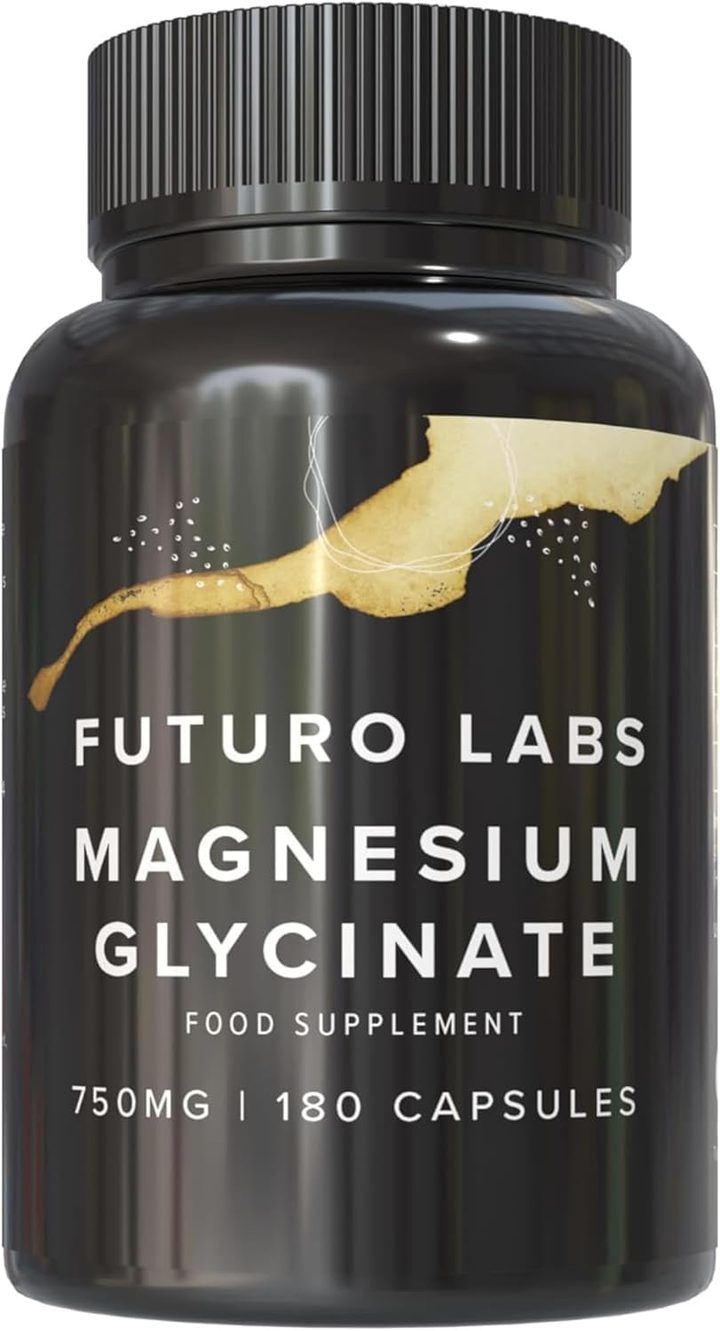
Our brand: the worked example on this page
Futuro Labs Magnesium Glycinate
- 22p a day
- 180 capsules, 2 capsules daily
- Lab tested
- Made in the UK
The cofactor at a replete dose, with the protein-synthesis sentence printed: Futuro Labs Magnesium Glycinate on Amazon UK, bisglycinate, 300mg elemental at 80% NRV, £19.99 for 90 days at 22p. Full label breakdown. The MPS page is here; the build-muscle page on the build-muscle page.
Repair, recovery and adaptation defined, because the question uses one word for three processes
Does magnesium glycinate repair muscles, and the variant asking whether it helps muscles recover, use one word for three processes that run on three timescales, and defining them is most of the answer. Repair: the rebuilding of trained fibres by muscle protein synthesis, switched on by a resistance session and by a leucine-rich protein dose, running for hours after each and completing the microdamage's repair over one to three days, the DOMS timeline's window, and needing amino acids as material, energy as magnesium-ATP and a signal through the kinase cascades, the MPS page's three things. Recovery: the return of readiness to train again, over one to several days depending on the session, governed by sleep, where repair and consolidation run, by fuel, carbohydrate restoring what the session spent, and by load management, the recovery org chart's departments, recovery being a state of the whole lifter rather than of a fibre. Adaptation: the growth in muscle and strength that repeated repair produces over weeks, the progressive stimulus sustained, protein sufficient, energy sufficient, sleep sufficient, the four things building muscle requires, adaptation being the reason repair happens at all. Three processes, three timescales, hours to days, days, and weeks, and the levers for each being protein, training, sleep, fuel and load, none of which is a mineral.
A cofactor's place in each, the claims and the trial that does not exist, and the question filed
Magnesium's place in all three is the same place: the cofactor in magnesium-ATP, the form in which every cell spends its energy, present at every ATP-dependent step of repair, the ribosome's assembly of new protein, of recovery, the pumps and signalling that restore a fibre, and of adaptation, the machinery of growth running over weeks, and driving none of them, a necessary condition met in a replete lifter and a limiting one only in a lifter whose training diet runs so light that the cofactor is short, the build-muscle page's necessary-not-sufficient teach applied to repair. The claims say the same: magnesium contributes to normal protein synthesis, normal muscle function and the reduction of tiredness and fatigue, maintenance sentences that describe the cofactor's role, and holds no repair, recovery, regeneration or soreness claim, none of which any supplement holds, so a magnesium product may not say it repairs muscle and this site does not. The trial that would show magnesium repairing muscle does not exist: no randomised study has measured muscle protein synthesis, damage markers or repair with magnesium supplementation in trained adults against placebo with status controlled, the file being biochemistry and one small unreplicated runner trial reporting less perceived soreness, and the forum reports of better recovery being repletion in lifters who ran short, expectation, and DOMS fading on its own. Does magnesium glycinate repair muscles, then: no, as a cofactor rather than a repairer, present at every step of repair, recovery and adaptation and driving none, taken at a replete dose by audit for its protein-synthesis and muscle-function sentences, the worked example at 300mg elemental and 22p, £19.99 for 90 days, while protein, training, sleep, fuel and load do the repairing, recovering and adapting.
| The process | The timescale and the levers | Magnesium's place |
|---|---|---|
| Repair | Hours to days: protein synthesis on protein, leucine, energy, a signal | The cofactor in magnesium-ATP at every step |
| Recovery | Days: sleep, fuel, load management | A cofactor in a replete fibre; the fatigue sentence by audit |
| Adaptation | Weeks: the progressive stimulus, protein, energy, sleep | Necessary, not driving |
| The claims | Protein synthesis, muscle function, fatigue: maintenance | No repair or recovery claim exists |
| The trial | Magnesium on repair in trained adults | Does not exist |
| The forums | Better recovery reported | Repletion, expectation, DOMS fading |
The verdict, three processes, and a cofactor at every step of each
Does magnesium glycinate repair muscles: no, as a cofactor rather than a repairer, repair being protein synthesis over hours to days on protein, energy and a signal, recovery being readiness over days on sleep, fuel and load, and adaptation being growth over weeks on the sustained stimulus, with magnesium present in magnesium-ATP at every step of all three and driving none, its claims being protein synthesis, muscle function and fatigue as maintenance sentences and no repair or recovery claim existing, the trial that would show it repairing muscle not having been run. The cofactor at a replete dose: Futuro Labs Magnesium Glycinate, bisglycinate, 300mg elemental at 80% NRV, £19.99 for 90 days at 22p a day.
What to check on the label
- Define the three processes: repair, recovery, adaptation.
- Assign the levers: protein, training, sleep, fuel, load.
- Place magnesium as the cofactor: magnesium-ATP at every step, driving none.
- Read the claims as maintenance: no repair or recovery sentence.
- Take it by audit for its own sentences: never as a repairer.
Our brand
The worked example: Futuro Labs Magnesium Glycinate
Futuro Labs Magnesium Glycinate is the worked example for magnesium reviews because its label states every number a review needs: 1500mg magnesium bisglycinate at 20%, 300mg elemental, 80% NRV, 2 capsules a day, 180 capsules for £19.99, 22p a day, UK made, vegan HPMC shell, batch tested for lead, mercury, arsenic and cadmium, and only the register's own magnesium claims printed.
- Elemental magnesium per serving
- 300mg (80% NRV)
- Form
- magnesium bisglycinate 20%
- Serving
- 2 capsules a day
- Bottle
- 180 capsules, 90 days
- Price
- £19.99 (22p a day)
- Capsule
- vegetarian shell, vegan product
Questions people also ask
Does magnesium glycinate help muscles recover?
As a cofactor at a replete dose: recovery is readiness over days governed by sleep, fuel and load management, and magnesium is present in magnesium-ATP at every energy-using step without driving any of them, holding a fatigue sentence by audit and no recovery claim.
What is the difference between muscle repair and muscle recovery?
Repair is the rebuilding of trained fibres by protein synthesis over hours to days, recovery is the whole lifter's return of readiness to train over days, and adaptation is the growth and strength that repeated repair produces over weeks, each with its own levers.
What does magnesium do during muscle repair?
Every peptide bond the ribosome forms and every kinase signal that tells it to build spends ATP that is active only as magnesium-ATP, so magnesium is present as the cofactor throughout repair, a necessary condition met in a replete lifter and limiting only in one who runs short.
Is there a study showing magnesium repairs muscle?
No: no randomised study has measured muscle protein synthesis, damage markers or repair with magnesium in trained adults against placebo with status controlled, the file being biochemistry and one small unreplicated runner trial on perceived soreness.
What actually repairs muscle after training?
Protein in leucine-rich doses across the day, the training stimulus itself as the signal, sleep as the window in which synthesis and consolidation run, and enough energy to pay for it, with magnesium admitted as a cofactor by audit.
Sources
- The magnesium and ATP biochemistry: ATP is biologically active as a magnesium-ATP complex, so every ATP-dependent reaction, including the steps of protein synthesis and muscle contraction, requires magnesium as a cofactor, a necessary condition for the machinery rather than a driver of it. PubMed record
- The muscle protein synthesis literature: resistance exercise and a leucine-rich protein dose of around 20 to 40 grams stimulate muscle protein synthesis for hours, with total daily protein, energy availability and the training stimulus determining net gain, and no trial of magnesium supplementation on muscle protein synthesis in trained adults. PubMed record
- The magnesium and muscle soreness literature: a small randomised trial in recreational runners reported lower perceived soreness and better recovery with 350mg of magnesium a day around a downhill run, a single unreplicated study, and no authorised claim exists for soreness or recovery. PubMed record
- The delayed-onset muscle soreness time-course literature: soreness after unfamiliar or eccentric exercise begins at eight to twenty-four hours, peaks at twenty-four to seventy-two hours and resolves over five to seven days, with the repeated-bout effect reducing subsequent episodes. PubMed record