Ghost Fitness/Magnesium/Does magnesium glycinate help with tight muscles?
Does magnesium glycinate help with tight muscles?
The short answer
No, because tight is not what it feels like: a tight muscle is rarely a shortened one, and usually DOMS stiffness, raised resting tone under fatigue and stress, protective guarding, or neural tension, none of which a mineral loosens. Magnesium holds a muscle-function claim, not a relaxation claim, and helps only where a genuine shortfall raised excitability.
- Tight, definedDOMS stiffness, raised resting tone, protective guarding, neural tension: rarely a short muscle
- The claimnormal muscle function, a maintenance sentence; no relaxation or tightness claim
- The one true casea genuine shortfall raising neuromuscular excitability, corrected by repletion
- What loosens tightnessa warm-up, graded loading, mobility work, sleep, a deload, and time
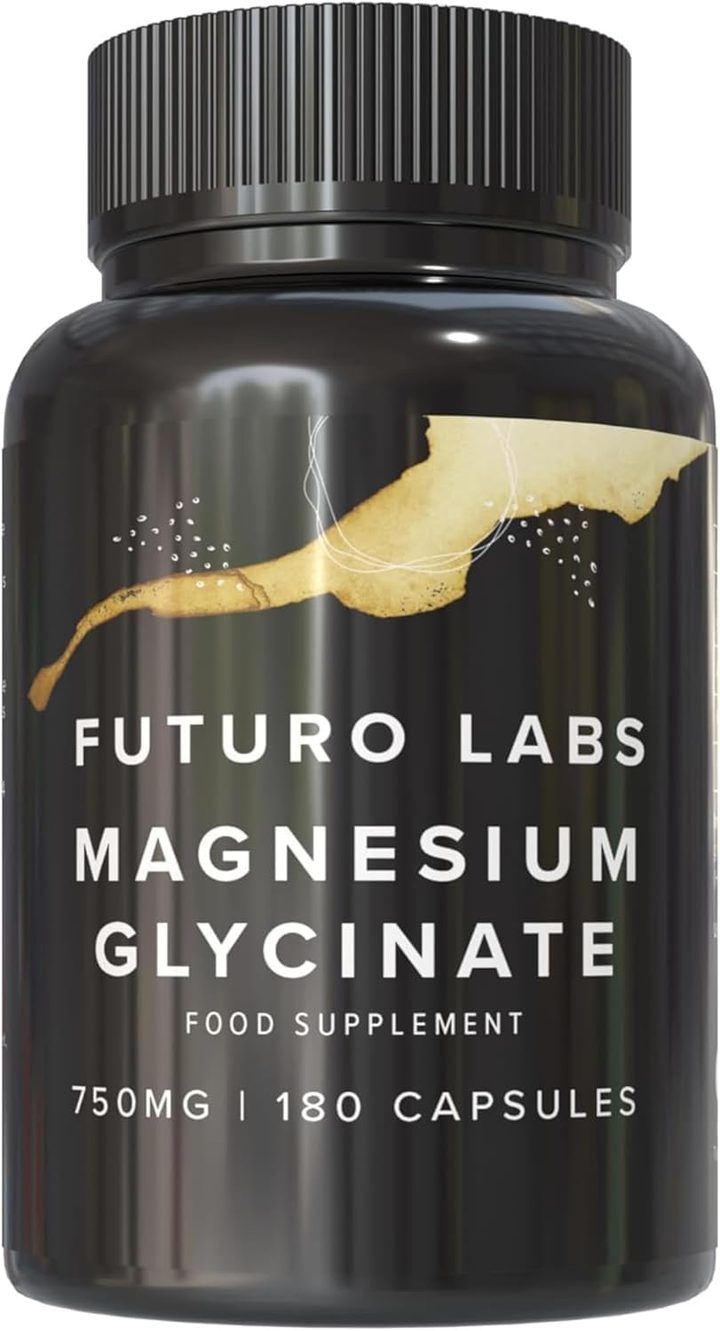
Our brand: the worked example on this page
Futuro Labs Magnesium Glycinate
- 22p a day
- 180 capsules, 2 capsules daily
- Lab tested
- Made in the UK
For the one true case and the muscle-function sentence: Futuro Labs Magnesium Glycinate on Amazon UK, bisglycinate, 300mg elemental at 80% NRV, £19.99 for 90 days at 22p. Full label breakdown. The contraction-relaxation cycle is on the help-muscle page; the spasm definitions on the spasm page.
What tight actually is, because a tight muscle is rarely a short one and a mineral loosens none of the things it usually is
Does magnesium glycinate help with tight muscles is answered by asking what tight actually is, because the feeling of tightness is rarely the thing it seems to be, a muscle that has become shorter and needs loosening, and is usually one of four other things, none of which a mineral touches. DOMS stiffness: the stiff, resistant feeling in the day or two after unfamiliar or heavy load is the swelling and sensitisation of repairing tissue, the muscle stiffness literature's finding that perceived tightness after training reflects DOMS rather than shortened muscle, resolving with movement and time on the soreness timeline. Raised resting tone: a muscle under fatigue, stress and poor sleep carries more baseline tension, the nervous system holding it partly switched on, the reason a stressed week's shoulders feel tight and a rested week's do not, and a state that sleep, a deload and stress management change and a capsule does not. Protective guarding: a muscle splinting an irritated joint, disc or tendon, the lumbar paraspinals after a strain, the hip flexors around a cranky hip, a tightness that is a symptom of something underneath and that a physiotherapist reads rather than a mineral loosens. Neural tension: a nerve that is sensitised or restricted along its path produces a tight-hamstring or tight-calf feeling that stretching the muscle does not change and nerve-gliding does, a physiotherapy diagnosis. True adaptive shortening exists, after long immobilisation or years of a fixed posture, and is loosened by loading through range over months, not by anything in a capsule.
Why magnesium does not loosen any of them, the one true case, what does loosen tightness, and the question filed
Why magnesium does not loosen any of the four: magnesium holds a contribution to normal muscle function, a maintenance claim, and no relaxation, tightness or tension claim, and while it is physiologically the mineral of the relaxation phase in a fibre, opposing calcium and powering the pumps that end a contraction, the help-muscle page's cycle, that role is a cofactor's in a replete fibre, not a relaxant's, and adding magnesium to a muscle that already has its cofactor does not lower its resting tone, soften its guarding, free its nerve or hurry its DOMS, the surplus being excreted rather than sent to the tight muscle. The one true case is the shortfall: a genuine magnesium deficiency raises neuromuscular excitability, and a deficient reader's muscles can feel tense, twitchy and crampy as part of that picture, the hypomagnesaemia signs, which repletion settles over days to weeks, the case a diet audit and a blood test identify and the only sense in which magnesium glycinate helps with tight muscles. What does loosen tightness follows from what it is: a proper warm-up, the tightness of a cold muscle disappearing with temperature and a few working sets; graded loading through range, the strongest long-term loosener, a muscle trained long being a muscle that tolerates length; mobility work where a genuine restriction exists, and nerve-gliding where the tension is neural, on a physiotherapist's assessment; sleep and a deload for raised resting tone; heat and movement for DOMS stiffness; and time. The question filed: magnesium glycinate does not help with tight muscles because tight is rarely a short muscle and usually DOMS stiffness, raised tone, guarding or neural tension, none of which a cofactor loosens, with the one true case being a shortfall raising excitability, and the worked example taken for the muscle-function sentence by audit and never as a muscle relaxant, 300mg elemental at 22p, £19.99 for 90 days.
| The tightness | What it actually is | What loosens it |
|---|---|---|
| DOMS stiffness | Swelling and sensitisation of repairing tissue | Movement, heat, time |
| Raised resting tone | The nervous system holding the muscle partly on under fatigue and stress | Sleep, a deload, stress management |
| Protective guarding | A muscle splinting an irritated joint, disc or tendon | A physiotherapist reads what is underneath |
| Neural tension | A sensitised or restricted nerve along its path | Nerve-gliding on assessment, not stretching |
| Adaptive shortening | Rare; after immobilisation or years of fixed posture | Loading through range over months |
| A magnesium shortfall | Raised neuromuscular excitability | Repletion: the one true case |
The verdict, tight is rarely short and a cofactor is not a relaxant
Does magnesium glycinate help with tight muscles: no, tight rarely being a shortened muscle and usually DOMS stiffness, raised resting tone under fatigue and stress, protective guarding or neural tension, none of which a cofactor loosens, magnesium holding a muscle-function claim and no relaxation claim and its role in a fibre's relaxation phase being a replete cofactor's rather than a relaxant's, with the one true case being a genuine shortfall raising excitability, and tightness loosened by a warm-up, graded loading through range, mobility or nerve-gliding on assessment, sleep, a deload, heat and time. For the one true case and the sentence: Futuro Labs Magnesium Glycinate, bisglycinate, 300mg elemental at 80% NRV, £19.99 for 90 days at 22p a day.
What to check on the label
- Define the tightness: DOMS, tone, guarding, neural, or the rare short muscle.
- Expect no relaxant effect: a cofactor in a replete fibre, not a loosener.
- Give the shortfall its narrow case: a blood test and repletion.
- Loosen with load and warmth: warm-up, range, mobility, heat.
- Lower the tone with rest: sleep, a deload, less stress.
Our brand
The worked example: Futuro Labs Magnesium Glycinate
Futuro Labs Magnesium Glycinate is the worked example for magnesium reviews because its label states every number a review needs: 1500mg magnesium bisglycinate at 20%, 300mg elemental, 80% NRV, 2 capsules a day, 180 capsules for £19.99, 22p a day, UK made, vegan HPMC shell, batch tested for lead, mercury, arsenic and cadmium, and only the register's own magnesium claims printed.
- Elemental magnesium per serving
- 300mg (80% NRV)
- Form
- magnesium bisglycinate 20%
- Serving
- 2 capsules a day
- Bottle
- 180 capsules, 90 days
- Price
- £19.99 (22p a day)
- Capsule
- vegetarian shell, vegan product
Questions people also ask
Does magnesium relax tight muscles?
No: magnesium holds a muscle-function claim and no relaxation claim, its role in a fibre's relaxation phase being a replete cofactor's rather than a relaxant's, and adding it to a muscle that has its cofactor does not lower resting tone, soften guarding or free a nerve.
Why do my muscles feel tight after training?
DOMS stiffness: the swelling and sensitisation of repairing tissue in the day or two after unfamiliar or heavy load, which feels like a short muscle and is not, resolving with movement, heat and time.
Why are my muscles tight when I'm stressed or tired?
Raised resting tone: under fatigue, stress and poor sleep the nervous system holds muscle partly switched on, the reason a hard week's shoulders feel tight, and a state that sleep, a deload and stress management change.
Can low magnesium cause tight muscles?
A genuine deficiency raises neuromuscular excitability, so a deficient reader's muscles can feel tense, twitchy and crampy as part of the hypomagnesaemia picture, found on a blood test and settled by repletion over days to weeks, the one case where magnesium helps.
What actually loosens tight muscles?
A proper warm-up, graded loading through range as the strongest long-term loosener, mobility work or nerve-gliding where a physiotherapist finds a restriction or neural tension, heat for DOMS, and sleep and a deload for raised tone.
Sources
- The muscle stiffness literature: perceived tightness after training reflects DOMS-related stiffness and raised resting muscle tone rather than shortened muscle, resolves with movement and time, and responds to warm-up, graded loading and mobility work rather than to nutrients. PubMed record
- The magnesium and neuromuscular junction physiology: magnesium antagonises calcium at the presynaptic terminal and reduces acetylcholine release, so magnesium excess depresses neuromuscular transmission and produces weakness, while magnesium deficiency increases neuromuscular excitability and produces twitching, cramps and tetany. PubMed record
- The hypomagnesaemia literature: clinically low serum magnesium presents with cramps, tremor, weakness and, when severe, arrhythmias and seizures, with alcohol misuse, proton-pump inhibitors, diuretics and gastrointestinal loss the common causes, and serum magnesium an imperfect marker of tissue status. PubMed record
- The delayed-onset muscle soreness time-course literature: soreness after unfamiliar or eccentric exercise begins at eight to twenty-four hours, peaks at twenty-four to seventy-two hours and resolves over five to seven days, with the repeated-bout effect reducing subsequent episodes. PubMed record