Ghost Fitness/Magnesium/Does magnesium help with muscle spasm?
Does magnesium help with muscle spasm?
The short answer
Define the word first: a twitch is a flicker, a cramp is a painful sustained contraction, and a spasm is a sustained contraction that may or may not hurt, the back spasm lifters mean being protective guarding after a strain. Magnesium helps only where a shortfall caused the irritability; a back spasm is a physiotherapist's.
- Twitcha fasciculation: benign, fatigue, caffeine, stress; no magnesium trial
- Crampa painful sustained contraction: the Cochrane review null; exercise cramps are fatigue
- Spasma sustained contraction, the lifter's back spasm being protective guarding after a strain
- Magnesium's placea genuine shortfall causing muscle irritability, corrected by repletion
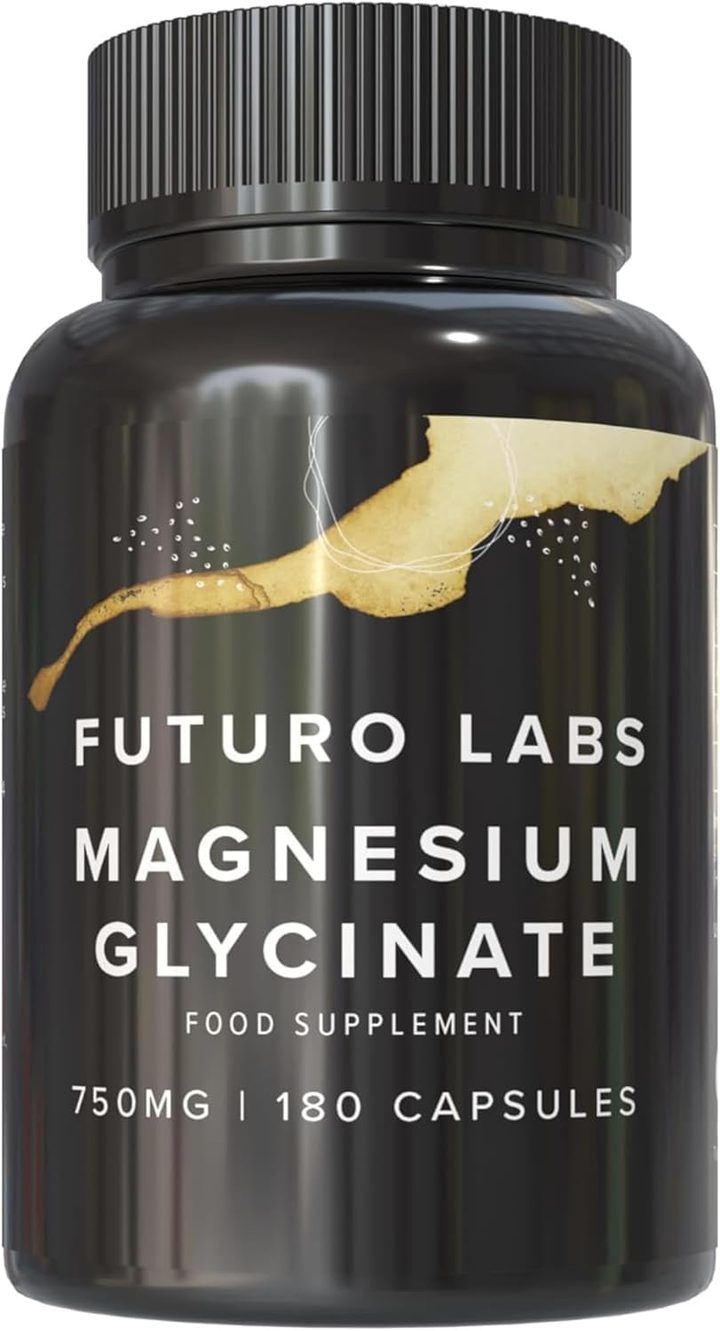
Our brand: the worked example on this page
Futuro Labs Magnesium Glycinate
- 22p a day
- 180 capsules, 2 capsules daily
- Lab tested
- Made in the UK
For the shortfall case and the muscle-function sentence: Futuro Labs Magnesium Glycinate on Amazon UK, bisglycinate, 300mg elemental at 80% NRV, £19.99 for 90 days at 22p. Full label breakdown. The spasm salt page is here; the cramps page on the muscle cramps page.
Three words defined, because spasm, cramp and twitch are used as one and have three different files
Does magnesium help with muscle spasm is a question that needs its word defined, because spasm, cramp and twitch are used interchangeably online and have three different files. A twitch, a fasciculation, is a small involuntary flicker visible under the skin, painless, common, associated with fatigue, caffeine, stress and exercise, and almost always benign without weakness, the twitching page's triage, with no trial of magnesium for benign fasciculation. A cramp is a painful, sudden, sustained involuntary contraction, the calf at night or the hamstring at mile twenty, and its file is the cramps page's three verdicts, the Cochrane review finding magnesium unlikely to help ordinary cramps, exercise cramps being neuromuscular fatigue, and pregnancy cramps possibly and modestly responsive. A spasm is a sustained involuntary contraction that may or may not hurt, the word covering the eyelid's flutter, a neck that locks, a calf that seizes, and, for a lifter, the back spasm, the sudden locking of the lumbar muscles during or after a deadlift, a squat or a bent-over row, which is a different thing from either of the others: protective guarding, the paraspinal muscles contracting hard to splint a strained ligament, disc or muscle, a reflex response to injury rather than a mineral event, painful, frightening and, in the great majority of cases, self-limiting over days to a couple of weeks with movement, heat and time. Three words, three files, and magnesium's honest place is the same narrow one in each.
Magnesium's narrow place, the back spasm's real management, and the question filed
Magnesium's place in all three is the shortfall case: a genuine magnesium deficiency raises neuromuscular excitability, producing twitches, cramps, spasms and tremor as part of the hypomagnesaemia picture, and repletion settles them over days to weeks, the one situation in which magnesium helps with muscle spasm and the situation the muscle-function sentence describes, a contribution to normal muscle function restored where a shortfall disturbed it. Outside it, a twitch with adequate magnesium is caffeine and sleep, a cramp with adequate magnesium is stretching, conditioning and a medicine review, and a back spasm with adequate magnesium is an injury being guarded, and the salt question the variant pages ask, oxide or glycinate for spasms, matters only in the shortfall case and is answered by tolerance, bisglycinate. The back spasm's real management, since it is what most lifters asking mean: keep moving gently rather than lying still, the evidence for early movement over bed rest being consistent; heat for the guarding; simple analgesia from a pharmacist if needed; a physiotherapist for a spasm that recurs, that came with leg pain, numbness or weakness, or that has not eased in a fortnight; and an urgent assessment for any spasm with bladder or bowel change, numbness in the saddle area or weakness in both legs, the red flags every back page carries. Magnesium in a back spasm does nothing to the guarding, the strain or the disc, and a lifter who took it and felt better in a week watched a spasm resolve on its own timeline. The question filed: define the word, twitch, cramp or spasm, give magnesium its narrow shortfall place in each, send the back spasm to movement, heat and a physiotherapist, and take the worked example for the muscle-function sentence where the diet audit says so, 300mg elemental at 22p, £19.99 for 90 days, never as a spasm cure.
| The word | What it is | Magnesium's place |
|---|---|---|
| Twitch | A painless flicker; fatigue, caffeine, stress | The shortfall case only; no trial for benign twitching |
| Cramp | A painful sustained contraction | The shortfall case only; the Cochrane review null |
| Spasm, general | A sustained contraction, painful or not | The shortfall case only |
| The lifter's back spasm | Protective guarding after a strain | None: movement, heat, a physiotherapist |
| The red flags | Bladder or bowel change, saddle numbness, weakness in both legs | Urgent assessment |
| The shortfall case | Neuromuscular excitability from deficiency | Repletion over days to weeks |
The verdict, three words and one narrow place
Does magnesium help with muscle spasm: only where a genuine shortfall raised neuromuscular excitability, the one place magnesium holds in all three files, a twitch being a benign flicker driven by fatigue, caffeine and stress, a cramp being a painful contraction the trials find magnesium unlikely to help, and a spasm being a sustained contraction that for a lifter usually means the protective guarding of a strained back, managed by gentle movement, heat, a pharmacist's analgesia and a physiotherapist, with red flags going urgently. For the shortfall case and the muscle-function sentence: Futuro Labs Magnesium Glycinate, bisglycinate, 300mg elemental at 80% NRV, £19.99 for 90 days at 22p a day.
What to check on the label
- Define the word: twitch, cramp or spasm.
- Give magnesium its one place: the shortfall case in each.
- Treat a back spasm as guarding: move gently, heat, time.
- See a physiotherapist: if it recurs, radiates or lasts a fortnight.
- Know the red flags: bladder, bowel, saddle numbness, both legs weak.
Our brand
The worked example: Futuro Labs Magnesium Glycinate
Futuro Labs Magnesium Glycinate is the worked example for magnesium reviews because its label states every number a review needs: 1500mg magnesium bisglycinate at 20%, 300mg elemental, 80% NRV, 2 capsules a day, 180 capsules for £19.99, 22p a day, UK made, vegan HPMC shell, batch tested for lead, mercury, arsenic and cadmium, and only the register's own magnesium claims printed.
- Elemental magnesium per serving
- 300mg (80% NRV)
- Form
- magnesium bisglycinate 20%
- Serving
- 2 capsules a day
- Bottle
- 180 capsules, 90 days
- Price
- £19.99 (22p a day)
- Capsule
- vegetarian shell, vegan product
Questions people also ask
Does magnesium stop back spasms?
No: a lifter's back spasm is protective guarding of a strained muscle, ligament or disc, a reflex to injury rather than a mineral event, managed by gentle movement, heat, simple analgesia and a physiotherapist if it recurs or radiates, and resolving on its own timeline.
What is the difference between a muscle spasm and a cramp?
A cramp is a painful, sudden, sustained involuntary contraction; a spasm is any sustained involuntary contraction, painful or not; a twitch is a painless flicker; and the three have different causes and files, with magnesium's place in each being the shortfall case only.
When does magnesium help muscle spasms?
When a genuine magnesium deficiency has raised neuromuscular excitability, producing twitches, cramps, spasms and tremor as part of the hypomagnesaemia picture, which repletion settles over days to weeks; with adequate magnesium, the spasm has another cause.
Which magnesium is best for spasms?
In the shortfall case, bisglycinate for tolerance at 300mg elemental; outside it, none as a treatment, the salt question mattering only where repletion is the answer.
When is a back spasm an emergency?
With bladder or bowel changes, numbness in the saddle area, weakness in both legs or spasm after significant trauma, all urgent; a spasm with leg pain, numbness or weakness, or one lasting beyond a fortnight, is a physiotherapist's or GP's.
Sources
- The hypomagnesaemia literature: clinically low serum magnesium presents with cramps, tremor, weakness and, when severe, arrhythmias and seizures, with alcohol misuse, proton-pump inhibitors, diuretics and gastrointestinal loss the common causes, and serum magnesium an imperfect marker of tissue status. PubMed record
- Garrison SR, Korownyk CS, Kolber MR, et al. Magnesium for skeletal muscle cramps. Cochrane Database of Systematic Reviews 2020, Issue 9, CD009402. PubMed record
- Schwellnus MP. Cause of exercise associated muscle cramps (EAMC): altered neuromuscular control, dehydration or electrolyte depletion? British Journal of Sports Medicine 2009;43(6):401-408. https://pubmed.ncbi.nlm.nih.gov/18981039/
- The benign fasciculation literature: muscle twitching without weakness or wasting is common and associated with fatigue, caffeine, stress, exercise and anxiety, while twitching with progressive weakness or wasting warrants neurological assessment. PubMed record