Ghost Fitness/Magnesium/Does magnesium help with muscle spasms in back?
Does magnesium help with muscle spasms in back?
The short answer
No: a lifter's back spasm is protective guarding of a strained muscle, ligament or disc, a reflex to injury that magnesium does not touch. What helps is the guideline protocol: stay active rather than rest in bed, heat, simple analgesia, most resolving within two to six weeks, a physiotherapist if it recurs or radiates, urgent care for red flags.
- What a back spasm isprotective guarding: the paraspinals splinting a strained muscle, ligament or disc
- The protocolstay active, avoid bed rest, heat, simple analgesia from a pharmacist; most settle in two to six weeks
- The escalationa physiotherapist for recurrence, leg pain, numbness or a fortnight without easing; urgent care for red flags
- Magnesium's placenone in guarding; a shortfall corrected is the only case
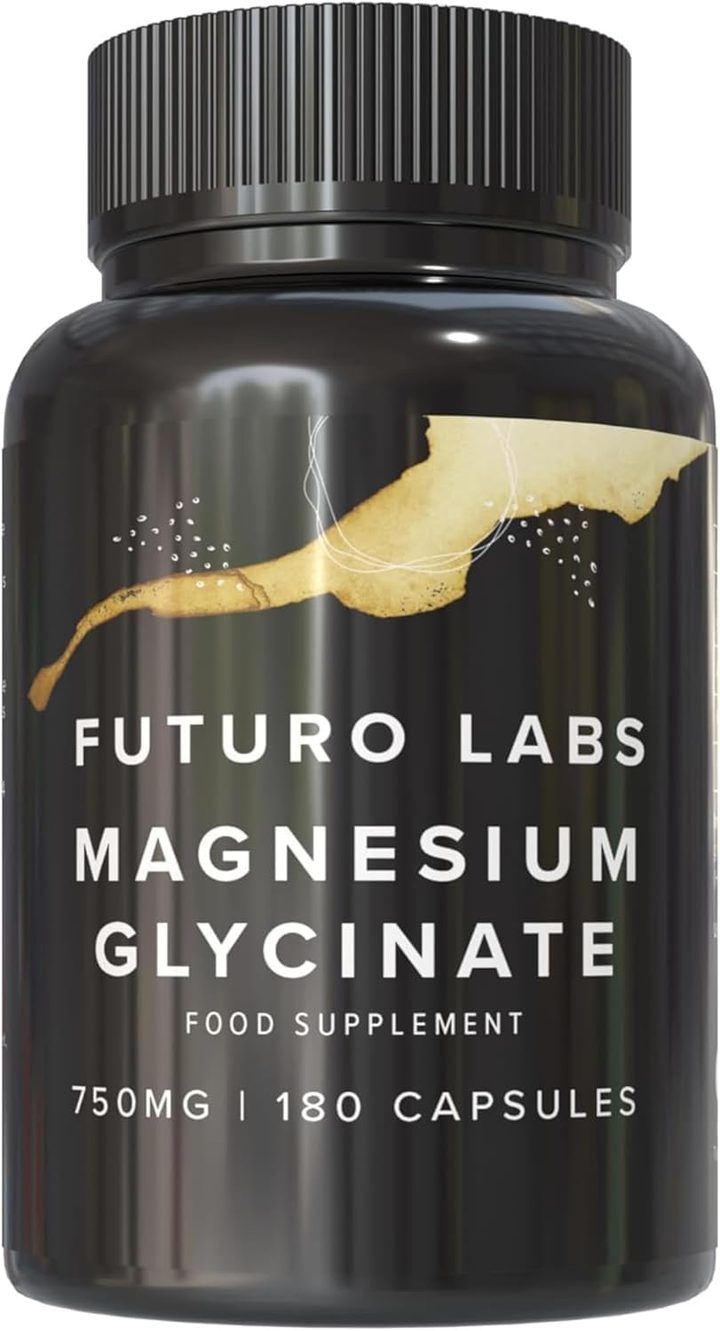
Our brand: the worked example on this page
Futuro Labs Magnesium Glycinate
- 22p a day
- 180 capsules, 2 capsules daily
- Lab tested
- Made in the UK
For the diet audit, never for the back: Futuro Labs Magnesium Glycinate on Amazon UK, bisglycinate, 300mg elemental at 80% NRV, £19.99 for 90 days at 22p. Full label breakdown. The three-terms spasm page is here; the muscle-pain timeline on the muscle-pain timeline page.
What a back spasm is, why magnesium has no role in it, and the protocol that actually helps
Does magnesium help with muscle spasms in the back is a question lifters ask from the floor beside a loaded bar, and the honest answer starts with what happened: the sudden locking of the lower back during a deadlift, a squat, a row or a bend to pick up a plate is protective guarding, the paraspinal muscles contracting hard and involuntarily to splint a strained muscle, ligament or disc, a reflex response to injury that is painful, frightening, and in the great majority of cases self-limiting, and that has nothing to do with magnesium status, the spasm being the body's splint and not a mineral event, so that magnesium, at any dose, does nothing to the guarding, the strain or the disc, the one exception being a genuine magnesium shortfall raising general neuromuscular excitability, which a blood test finds and repletion settles and which is not what a bar-side back spasm is. The protocol that actually helps is the one the low back pain guideline sets out. Stay active: continue normal daily activities as far as the pain allows, walking, moving between positions, gentle range of motion, since bed rest delays recovery and the evidence for early movement over rest is consistent, the instinct to lie still for days being the wrong one. Heat: a hot water bottle or a warm bath eases the guarding, the muscle relaxing as it warms. Simple analgesia: a pharmacist advises on anti-inflammatories or paracetamol for the acute days, with a pharmacist's review for anyone on other medicines. Time: most acute back spasms ease within two weeks and the large majority within six, on their own timeline.
The escalation, the red flags, the return to the bar, and the question filed
Escalation follows the guideline too. A physiotherapist for a spasm that recurs, that came with pain running down a leg, numbness or tingling, or that has not eased within a fortnight, for assessment, reassurance, graded exercise and the hinge-pattern work that stops the next one. Urgent care, the same day, for any red flag: bladder or bowel changes, numbness in the saddle area, weakness or numbness in both legs, spasm after significant trauma, unexplained weight loss, fever or night pain that does not settle, the signs every back page carries because the rare serious causes present through them. The return to the bar is the part lifters want and the protocol supplies: once pain allows, unloaded hinge patterning, hip hinges and bodyweight good-mornings, then light Romanian deadlifts and goblet squats, then a gradual return of load over weeks with the ego left out, the lifter who returns too fast being the lifter who spasms again, and a physiotherapist's programme being worth more than any forum's. Where magnesium fits is nowhere in this, except by audit: a lifter whose training diet runs light takes it for its muscle-function sentence on the same day and at the same dose as any day, and a lifter who took it for the spasm and felt better in a fortnight watched the guarding release on its own timeline. The question filed: magnesium does not help back spasms, which are protective guarding after a strain, and the protocol that does is staying active, heat, simple analgesia, two to six weeks, a physiotherapist for recurrence or radiation, urgent care for red flags and a graded return to hinging, with the worked example taken for the diet audit and never for the back, 300mg elemental at 22p, £19.99 for 90 days.
| The stage | What to do | Why |
|---|---|---|
| The first days | Stay active; no bed rest; heat; simple analgesia via a pharmacist | Early movement beats rest; heat releases guarding |
| Two to six weeks | Normal activities as pain allows | Most spasms settle on this timeline |
| Escalate | A physiotherapist for recurrence, leg pain, numbness, or a fortnight without easing | Assessment, reassurance, graded exercise |
| Red flags | Bladder or bowel change, saddle numbness, both legs weak, trauma, fever, weight loss, night pain | Urgent care the same day |
| The return | Unloaded hinging, then light Romanian deadlifts and goblet squats, then load over weeks | The fast return is the next spasm |
| Magnesium | By diet audit, for its own sentence | No role in guarding |
The verdict, a splint the body made and a protocol that releases it
Does magnesium help with muscle spasms in the back: no, a lifter's back spasm being protective guarding of a strained muscle, ligament or disc that magnesium does not touch, and what helps being the guideline protocol, staying active rather than resting in bed, heat, simple analgesia from a pharmacist, most spasms settling within two to six weeks, a physiotherapist for recurrence, leg pain, numbness or a fortnight without easing, urgent care the same day for red flags, and a graded return to hinging with load added over weeks. For the diet audit and never for the back: Futuro Labs Magnesium Glycinate, bisglycinate, 300mg elemental at 80% NRV, £19.99 for 90 days at 22p a day.
What to check on the label
- Name the spasm: protective guarding, not a mineral event.
- Stay active: no bed rest; heat; a pharmacist's analgesia.
- Give it two to six weeks: and escalate at a fortnight.
- Know the red flags: bladder, bowel, saddle numbness, both legs, trauma, fever.
- Return to the bar gradually: hinge patterning before load.
Our brand
The worked example: Futuro Labs Magnesium Glycinate
Futuro Labs Magnesium Glycinate is the worked example for magnesium reviews because its label states every number a review needs: 1500mg magnesium bisglycinate at 20%, 300mg elemental, 80% NRV, 2 capsules a day, 180 capsules for £19.99, 22p a day, UK made, vegan HPMC shell, batch tested for lead, mercury, arsenic and cadmium, and only the register's own magnesium claims printed.
- Elemental magnesium per serving
- 300mg (80% NRV)
- Form
- magnesium bisglycinate 20%
- Serving
- 2 capsules a day
- Bottle
- 180 capsules, 90 days
- Price
- £19.99 (22p a day)
- Capsule
- vegetarian shell, vegan product
Questions people also ask
Why did my back spasm during a deadlift?
The paraspinal muscles contracted hard to splint a strained muscle, ligament or disc, a protective reflex to injury that is painful and frightening and in most cases self-limiting, with nothing to do with magnesium status.
Should I rest in bed after a back spasm?
No: the low back pain guideline advises staying active and continuing normal activities as pain allows, since bed rest delays recovery, with heat to release the guarding and simple analgesia from a pharmacist for the acute days.
How long does a back spasm take to go away?
Most ease within two weeks and the large majority within six, on their own timeline; a spasm that recurs, radiates into a leg, comes with numbness or has not eased in a fortnight goes to a physiotherapist.
When is a back spasm an emergency?
With bladder or bowel changes, numbness in the saddle area, weakness or numbness in both legs, spasm after significant trauma, fever, unexplained weight loss or night pain that does not settle, all of which need urgent care the same day.
How do I get back to lifting after a back spasm?
Gradually: unloaded hip hinges and bodyweight good-mornings once pain allows, then light Romanian deadlifts and goblet squats, then load added over weeks, ideally on a physiotherapist's programme, since the fast return is usually the next spasm.
Sources
- The NICE guideline on low back pain and sciatica: people with acute low back pain are advised to stay active and continue normal activities, with bed rest discouraged, self-management, heat and simple analgesia supported, and red flags for urgent assessment defined. https://www.nice.org.uk/guidance/ng59
- The hypomagnesaemia literature: clinically low serum magnesium presents with cramps, tremor, weakness and, when severe, arrhythmias and seizures, with alcohol misuse, proton-pump inhibitors, diuretics and gastrointestinal loss the common causes, and serum magnesium an imperfect marker of tissue status. PubMed record
- Garrison SR, Korownyk CS, Kolber MR, et al. Magnesium for skeletal muscle cramps. Cochrane Database of Systematic Reviews 2020, Issue 9, CD009402. PubMed record
- The GB claims register, magnesium entries: magnesium contributes to a reduction of tiredness and fatigue, normal psychological function, normal nervous system function, normal muscle function and electrolyte balance, among others. https://www.gov.uk/government/publications/great-britain-nutrition-and-health-claims-nhc-register