Ghost Fitness/Magnesium/Does magnesium help with muscle soreness after working out?
Does magnesium help with muscle soreness after working out?
The short answer
No: run the timeline. Hours zero to eight, no soreness yet, fuel and protein are the levers; eight to twenty-four, onset, sleep is the lever; twenty-four to seventy-two, the peak, light movement and protein; three to seven days, the fade, time and the next session. Magnesium sits on no window, holding no soreness claim.
- Zero to eight hoursno soreness yet: carbohydrate and a 20 to 40g protein dose are the levers
- Eight to twenty-four hoursonset: the night's sleep is the lever
- Twenty-four to seventy-two hoursthe peak: light movement, protein across the day, heat if wanted
- Three to seven daysthe fade: time, and the repeated-bout effect from the next session
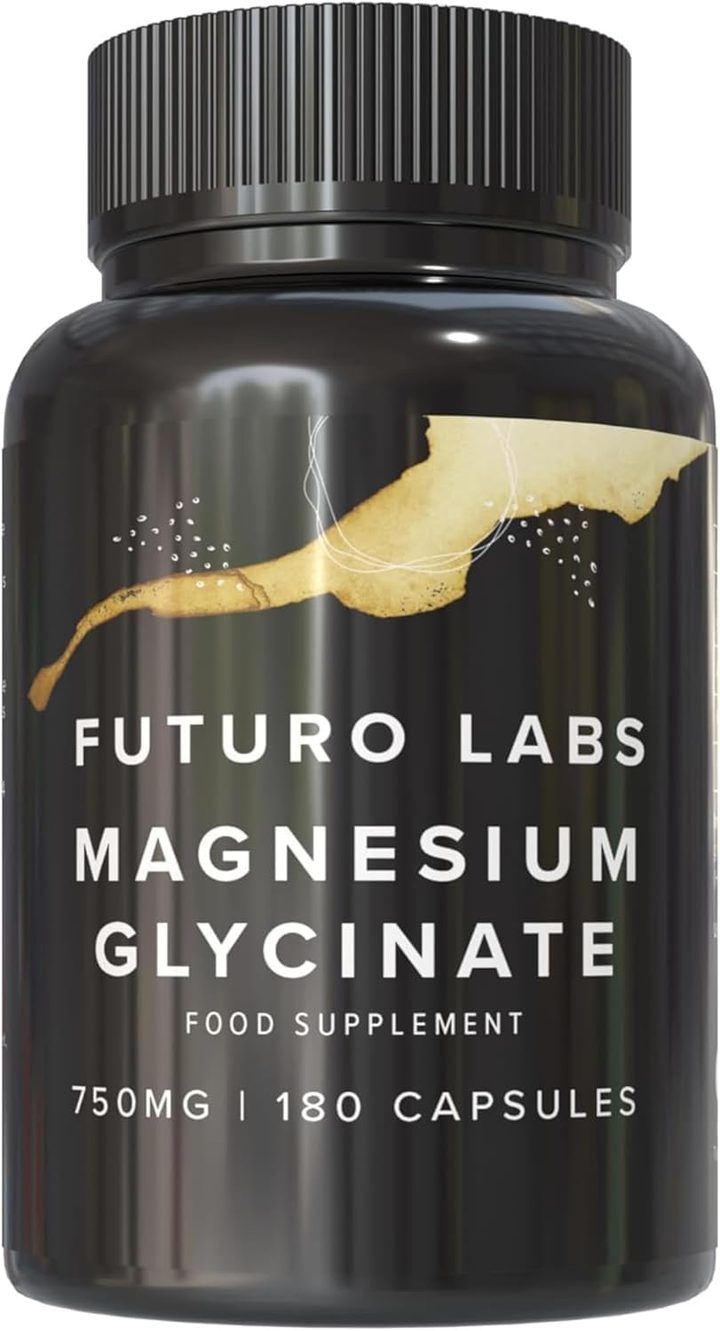
Our brand: the worked example on this page
Futuro Labs Magnesium Glycinate
- 22p a day
- 180 capsules, 2 capsules daily
- Lab tested
- Made in the UK
Off the timeline, on the audit: Futuro Labs Magnesium Glycinate on Amazon UK, bisglycinate, 300mg elemental at 80% NRV, £19.99 for 90 days at 22p. Full label breakdown. The DOMS mechanism page is here; the recovery org chart on the recovery guide.
The soreness timeline hour by hour, with the real lever for each window
Does magnesium help with muscle soreness after working out is best answered by running the soreness timeline hour by hour, because each window has a real lever and a capsule sits on none of them. Hours zero to eight, straight after the session: no soreness yet, the microdamage of unfamiliar or eccentric load having happened and the inflammatory and repair response just starting, and the levers in this window being fuel and material, carbohydrate to restore what the session spent and a protein dose of 20 to 40 grams to switch muscle protein synthesis on, the post-workout meal doing more for tomorrow than anything in a capsule. Hours eight to twenty-four, the onset: stiffness and tenderness arrive, usually overnight or the next morning, and the lever in this window is the night's sleep, the repair and the pain modulation both running during it, with a poor night making the next day's soreness feel worse and a good one the reverse. Hours twenty-four to seventy-two, the peak: soreness is at its worst, the tissue is inflamed and the nerves in it sensitised, and the levers are light movement, an easy walk or an easy session that reduces stiffness while the repair runs, protein distributed across the day, and heat or a warm bath if the reader wants the comfort, with hard training on the sore muscle usually best deferred. Days three to seven, the fade: the soreness recedes as repair completes, the lever being time, and the next exposure to the same load producing far less soreness through the repeated-bout effect, the single most powerful factor in the whole story, which is why a programme that progresses gradually produces little DOMS after its first weeks.
Where a capsule sits on the timeline, which is nowhere, and the question filed
Where magnesium sits on that timeline is nowhere, for three reasons the soreness pages give. It holds no soreness claim and no recovery claim, its lawful sentence being a contribution to normal muscle function, a maintenance claim about a status held over weeks and not about a window of hours. It has no acute effect to place in any window, a capsule taken at hour zero joining a tissue pool that changes over weeks, so it cannot fuel hour zero, cannot deepen the night at hour twelve, cannot ease the peak at hour forty-eight and cannot hurry the fade at day four. And the evidence for it on soreness is one small trial in recreational runners reporting less perceived soreness with 350mg around a downhill run, unreplicated, in a population whose status was not established, a suggestion and not a finding, with oils and sprays absorbing negligibly. Where magnesium does sit is off the timeline entirely, on the diet audit: a lifter whose training diet runs light takes it daily for its muscle-function and fatigue sentences, on training days and rest days alike, and a lifter who was replete gains nothing, the deficiency pattern that governs every magnesium page, so that the sore lifter takes it, if at all, on the same terms as any other day and not because of the soreness. The timeline filed: fuel and protein at hour zero, sleep at hour twelve, movement and protein at the peak, time and the next session at the fade, and a capsule on no window, the worked example being off the timeline and on the audit, bisglycinate at 300mg elemental, £19.99 for 90 days at 22p, while the soreness does what soreness does.
| The window | What is happening | The real lever |
|---|---|---|
| Zero to eight hours | Microdamage done; repair starting; no soreness yet | Carbohydrate and a 20 to 40g protein dose |
| Eight to twenty-four hours | Onset overnight | The night's sleep |
| Twenty-four to seventy-two hours | The peak: inflamed tissue, sensitised nerves | Light movement, protein across the day, heat if wanted |
| Three to seven days | The fade as repair completes | Time, and the repeated-bout effect |
| The next session | Far less soreness at the same load | Gradual progression |
| A magnesium capsule | Joins a weeks-long status pool | No window: the diet audit instead |
The verdict, four windows, four levers, and a capsule on none
Does magnesium help with muscle soreness after working out: no, the timeline having four windows with four real levers, fuel and protein in the first eight hours, sleep through the onset, light movement and protein through the peak at one to three days, and time and the repeated-bout effect through the fade, with a magnesium capsule sitting on no window, holding no soreness claim, having no acute effect and resting on one small unreplicated trial, so that a sore lifter takes it, if at all, on the diet audit's terms and not the soreness's. Off the timeline and on the audit: Futuro Labs Magnesium Glycinate, bisglycinate, 300mg elemental at 80% NRV, £19.99 for 90 days at 22p a day.
What to check on the label
- Fuel hour zero: carbohydrate and a protein dose.
- Sleep through the onset: the night's lever.
- Move lightly through the peak: and keep the protein coming.
- Let the fade happen: time, and the next session.
- Keep magnesium off the timeline: by audit, same as any day.
Our brand
The worked example: Futuro Labs Magnesium Glycinate
Futuro Labs Magnesium Glycinate is the worked example for magnesium reviews because its label states every number a review needs: 1500mg magnesium bisglycinate at 20%, 300mg elemental, 80% NRV, 2 capsules a day, 180 capsules for £19.99, 22p a day, UK made, vegan HPMC shell, batch tested for lead, mercury, arsenic and cadmium, and only the register's own magnesium claims printed.
- Elemental magnesium per serving
- 300mg (80% NRV)
- Form
- magnesium bisglycinate 20%
- Serving
- 2 capsules a day
- Bottle
- 180 capsules, 90 days
- Price
- £19.99 (22p a day)
- Capsule
- vegetarian shell, vegan product
Questions people also ask
Should I take magnesium after a workout to reduce soreness?
No: magnesium holds no soreness claim, has no acute effect to place in any window of the soreness timeline, and rests on one small unreplicated trial; the post-workout levers are carbohydrate and a 20 to 40g protein dose, then sleep.
When does muscle soreness peak after a workout?
At twenty-four to seventy-two hours, after an onset at eight to twenty-four hours, fading over three to seven days as repair completes, with the next exposure to the same load far less sore through the repeated-bout effect.
What actually helps soreness on the worst day?
Light movement, an easy walk or easy session that reduces stiffness while repair runs, protein distributed across the day, heat or a warm bath for comfort, and deferring hard training on the sore muscle.
Why does soreness get less over a training block?
The repeated-bout effect: a second exposure to the same load produces far less soreness than the first, the single most powerful factor, which is why gradual progression produces little DOMS after the first weeks.
Is there any reason to take magnesium when I'm sore?
Only the diet audit's: a lifter whose training diet runs light takes it daily for its muscle-function and fatigue sentences on training and rest days alike, and a replete lifter gains nothing, the soreness being irrelevant to the decision.
Sources
- The delayed-onset muscle soreness time-course literature: soreness after unfamiliar or eccentric exercise begins at eight to twenty-four hours, peaks at twenty-four to seventy-two hours and resolves over five to seven days, with the repeated-bout effect reducing subsequent episodes. PubMed record
- The magnesium and muscle soreness literature: a small randomised trial in recreational runners reported lower perceived soreness and better recovery with 350mg of magnesium a day around a downhill run, a single unreplicated study, and no authorised claim exists for soreness or recovery. PubMed record
- The protein intake and resistance training literature: meta-analyses support intakes around 1.6g per kilogram of body weight daily for maximising resistance-training gains, with diminishing returns above. PubMed record
- The GB claims register, magnesium entries: magnesium contributes to a reduction of tiredness and fatigue, normal psychological function, normal nervous system function, normal muscle function and electrolyte balance, among others. https://www.gov.uk/government/publications/great-britain-nutrition-and-health-claims-nhc-register