Ghost Fitness/Guides/Which supplements actually help recovery for natural lifters?
Which supplements actually help recovery for natural lifters?
The short answer
Recovery has departments: glycogen belongs to carbohydrate, repair to complete protein, soreness to sleep and load management, and performance to creatine's claim. Supplements help where a department is short; BCAAs, glutamine and the botanical drawer help nowhere.
- Department one: fuelglycogen belongs to carbohydrate from food
- Department two: repaircomplete protein to target; the muscle-maintenance claim
- Department three: sorenesssleep and load management; no supplement holds a soreness claim
- Department four: performancecreatine's authorised claim; magnesium's fatigue claim by audit
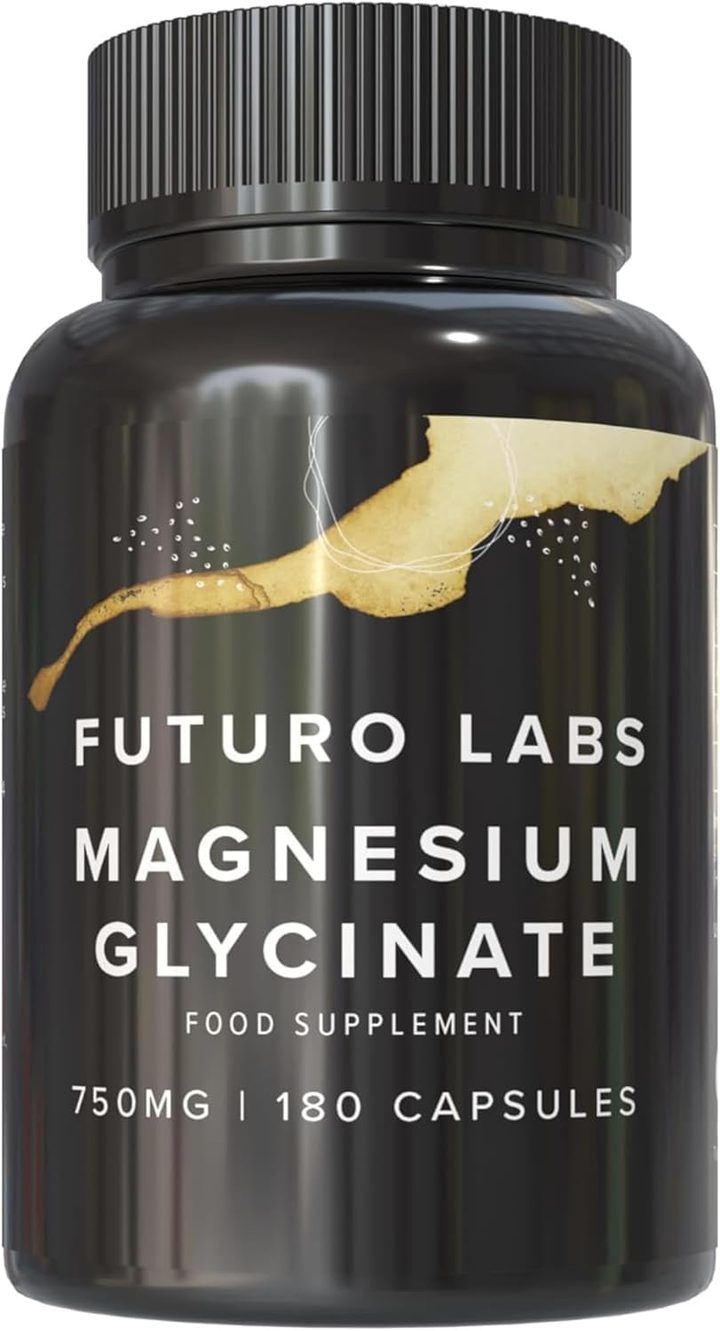
Our brand: the worked example on this page
Futuro Labs Magnesium Glycinate
- 22p a day
- 180 capsules, 2 capsules daily
- Lab tested
- Made in the UK
The recovery-adjacent mineral, by audit: Futuro Labs Magnesium Glycinate on Amazon UK, 300mg elemental at 80% NRV, tiredness-and-fatigue and muscle-function claims, £19.99 for 90 days at 22p. Full label breakdown. The collagen recovery org chart is on the post-workout recovery page; the sleep thieves on the sleep guide.
Recovery as an org chart, because the word means four different jobs and each has an owner
Recovery is a word that means four different jobs, and the honest way to ask which supplements help a natural lifter recover is to name the departments and their owners, since a supplement helps only where a department is short and most departments are not staffed by supplements at all. Department one, fuel: the glycogen a hard session spends is refilled by carbohydrate from food, rice, potatoes, oats, bread, fruit, the post-session meal doing the department's whole job, and no supplement holding a glycogen claim that a plate does not hold better, the sports-drink and gainer products being carbohydrate at a premium. Department two, repair: the muscle protein synthesis that rebuilds trained tissue runs on complete protein, the register's maintenance-of-muscle-mass claim being protein's, met at around 1.6 grams per kilogram from food with a powder for the gap and distributed across meals, the department where a supplement, whey or a plant blend, genuinely helps when food falls short and helps not at all beyond the target. Department three, soreness and readiness: the ache after training and the ability to train again are governed by sleep, the recovery and consolidation substrate, and by load management, the programme's progression and deloads, with no supplement holding a soreness or recovery claim under the register and the collagen section's post-workout page having audited the aisle's candidates, tart cherry, curcumin, omega-3 and collagen for soreness, to small, mixed or claim-free files. Department four, performance and fatigue: creatine at 3g holds the authorised claim for performance in high-intensity exercise, the department's one certain hire, and magnesium holds a reduction-of-tiredness-and-fatigue claim alongside muscle function, a hire where a diet audit finds intake short.
The candidates that help nowhere, the natural lifter's specific note, and the org chart filed
The candidates that help in no department deserve naming, because recovery marketing lives on them. BCAAs: no authorised claim, redundant beside adequate protein which contains them, the classic recovery purchase with the least behind it. Glutamine: a long-marketed recovery amino with no authorised claim and trials in trained adults showing little, the immune-and-gut folklore resting on clinical-nutrition contexts far from a gym. ZMA and the recovery blends: zinc and magnesium hold their own claims and the blend adds a proprietary line and a premium, the single-ingredient rule applying. The botanical drawer: ashwagandha's recovery-and-strength trials small and industry-linked, tongkat ali's testosterone pitch failing the extrapolation gap, lion's mane touching no department at all, all bets and none recovery. The natural lifter's specific note, since the query names them: natural means the recovery departments run on their physiological capacity, without the pharmacological acceleration that makes some enhanced protocols recover from volumes a natural lifter cannot, so the departments matter more rather than less, sleep and load management being the natural lifter's recovery supplements in the only sense that has evidence, and the temptation to buy recovery from a tub being the natural lifter's most expensive mistake. The org chart filed: fuel to carbohydrate, repair to protein, soreness and readiness to sleep and programming, performance to creatine, fatigue to magnesium where the audit says so, and the recovery aisle otherwise empty, with the worked example hired by one department on one condition, 300mg elemental at 22p where a training diet runs light, and the natural lifter's real recovery stack being a plate, a bed and a sensible programme.
| The department | The owner | The supplement's place |
|---|---|---|
| Fuel: glycogen | Carbohydrate from food | None: gainers are carbs at a premium |
| Repair: protein synthesis | Complete protein to ~1.6g/kg | Whey or a plant blend for the gap only |
| Soreness and readiness | Sleep; load management and deloads | No soreness claim exists; the candidates file thin |
| Performance | Creatine at 3g: the authorised claim | The department's one certain hire |
| FatigueOurs | Magnesium's fatigue claim, by diet audit | Where intake runs short |
| Nowhere | BCAAs, glutamine, blends, the botanical drawer | Marketing, not departments |
The verdict, hired by department
Which supplements actually help recovery for natural lifters: the ones a department is short of, protein for repair where food falls short, creatine for performance on its authorised claim, and magnesium for fatigue where a diet audit finds intake low, with fuel belonging to carbohydrate on a plate, soreness and readiness belonging to sleep and load management, and BCAAs, glutamine, recovery blends and the botanical drawer helping in no department the register can see. The mineral hired on one condition: Futuro Labs Magnesium Glycinate, 300mg elemental at 80% NRV, tiredness-and-fatigue and muscle-function among its claims, £19.99 for 90 days at 22p a day, taken where the audit says so and outranked, for a natural lifter, by a plate, a bed and a programme.
What to check on the label
- Name the departments: fuel, repair, soreness, performance, fatigue.
- Feed fuel and repair from the plate: carbs and protein first.
- Give soreness to sleep and programming: no supplement holds that claim.
- Hire creatine for performance: the one certain hire.
- Refuse the recovery aisle's regulars: BCAAs, glutamine, blends, botanicals.
Our brand
The worked example: Futuro Labs Magnesium Glycinate
Futuro Labs Magnesium Glycinate is the worked example for the buying guides because its label is the kind these guides teach you to demand: 1500mg magnesium bisglycinate at 20%, 300mg elemental, 80% NRV, 2 capsules a day, 180 capsules for £19.99, 22p a day, UK made, vegan, batch tested for lead, mercury, arsenic and cadmium, address printed, no proprietary blend, and the same four authorised claims any honest magnesium may carry.
- Elemental magnesium per serving
- 300mg (80% NRV)
- Form
- magnesium bisglycinate 20%
- Serving
- 2 capsules a day
- Bottle
- 180 capsules, 90 days
- Price
- £19.99 (22p a day)
- Capsule
- vegetarian shell, vegan product
Questions people also ask
What is the best supplement for recovery after lifting?
Protein, where food falls short of around 1.6g per kilogram, because repair is protein's department and the muscle-maintenance claim is protein's; beyond that, creatine for performance and magnesium for fatigue by diet audit, with sleep and carbohydrate owning the rest.
Do BCAAs or glutamine help recovery?
No: neither holds an authorised claim, BCAAs are redundant beside adequate protein which contains them, and glutamine's trials in trained adults show little, the folklore resting on clinical-nutrition contexts far from a gym.
What helps muscle soreness?
Sleep and load management: no supplement holds a soreness or recovery claim, and the candidates the aisle offers, tart cherry, curcumin, omega-3 and collagen, have small, mixed or claim-free files on that outcome.
Why does recovery matter more for natural lifters?
Because the departments run on physiological capacity alone, without the pharmacological acceleration some enhanced protocols rely on, so sleep, programming and food are the natural lifter's recovery supplements in the only sense with evidence.
Where does magnesium fit into recovery?
The fatigue department, by diet audit: its reduction-of-tiredness-and-fatigue and muscle-function claims are authorised, and it helps where a training diet runs light and not otherwise.
Sources
- The protein intake and resistance training literature: meta-analyses support intakes around 1.6g per kilogram of body weight daily for maximising resistance-training gains, with diminishing returns above. PubMed record
- Kreider RB, et al. International Society of Sports Nutrition position stand: safety and efficacy of creatine supplementation in exercise, sport, and medicine. Journal of the International Society of Sports Nutrition 2017;14:18. PubMed record
- The sleep and memory consolidation literature: newly learned material is consolidated during sleep, with sleep deprivation after study measurably impairing retention, the foundation of study-schedule advice. PubMed record
- The GB claims register, magnesium entries: magnesium contributes to a reduction of tiredness and fatigue, normal psychological function, normal nervous system function, normal muscle function and electrolyte balance, among others. https://www.gov.uk/government/publications/great-britain-nutrition-and-health-claims-nhc-register