Ghost Fitness/Magnesium/Does magnesium help with muscle recovery after a workout?
Does magnesium help with muscle recovery after a workout?
The short answer
Score your recovery on ten lines: sleep hours, protein per kilogram, carbohydrate after training, a deload in the last six weeks, alcohol, hydration, stress, light movement on sore days, the repeated-bout effect from progression, and magnesium intake from food. Magnesium is the tenth line and scores only if the plate runs light; the other nine score for everyone.
- Lines one to threeseven to nine hours of sleep; protein around 1.6g per kilogram; carbohydrate after training
- Lines four to sixa deload in the last six weeks; alcohol under the guideline; hydration with sodium after hot sessions
- Lines seven to ninestress managed; light movement on sore days; gradual progression for the repeated-bout effect
- Line tenmagnesium from food: scores only if the plate runs light; then 300mg elemental by audit
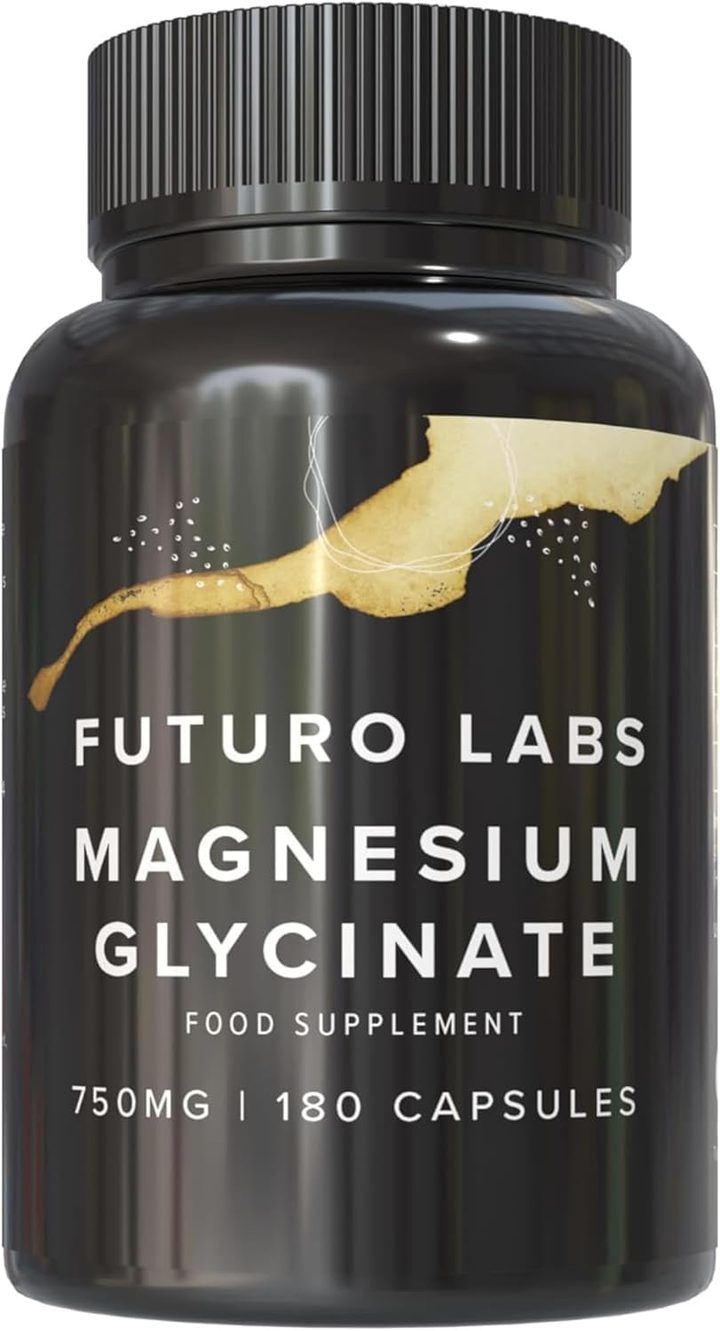
Our brand: the worked example on this page
Futuro Labs Magnesium Glycinate
- 22p a day
- 180 capsules, 2 capsules daily
- Lab tested
- Made in the UK
For line ten, when it fails: Futuro Labs Magnesium Glycinate on Amazon UK, bisglycinate, 300mg elemental at 80% NRV with the evening meal, £19.99 for 90 days at 22p. Full label breakdown. The soreness timeline is on the soreness-after-working-out page; the recovery org chart on the recovery guide.
The scorecard, lines one to nine, which score for everyone and move recovery more than any capsule
Does magnesium help with muscle recovery after a workout is best answered by a scorecard, because recovery is the sum of ten things and magnesium is one of them at most, and the honest page scores the other nine first. Line one, sleep: seven to nine hours a night, the department in which repair, consolidation and the hormonal environment for adaptation run, and the single largest lever, a short night costing more recovery than any capsule restores. Line two, protein: around 1.6 grams per kilogram of body weight a day in leucine-rich doses of 20 to 40 grams across the day, the material of repair and the holder of the register's only growth claim. Line three, carbohydrate: restored after training, since a session spends glycogen and an empty fuel tank is a slow recovery. Line four, a deload: a lighter week in the last six, since stacked hard weeks accumulate fatigue that no night fully clears and a body that never recovers never adapts. Line five, alcohol: under the guideline, since alcohol disturbs sleep architecture, blunts muscle protein synthesis and drains magnesium, three lines at once. Line six, hydration: to thirst, with sodium after long hot sessions, since dehydration impairs performance and the next session. Line seven, stress: managed, since life stress raises the load the body is recovering from and shortens the sleep it recovers in. Line eight, light movement on sore days: an easy walk or session reduces DOMS stiffness while repair runs. Line nine, progression: gradual, since the repeated-bout effect means a load met before is far less sore than a load met new, the most powerful factor in the whole soreness story. Nine lines, all scoring for every lifter, all moving recovery, and none a mineral.
Line ten, magnesium, which scores only if the plate runs light, and the scorecard filed
Line ten is magnesium, and it is scored differently from the other nine: it scores only if it fails. The question is not whether the lifter takes magnesium but whether the plate supplies it, the greens, nuts, seeds, legumes and wholegrains on an ordinary training day counted against the 300mg reference intake for men and 270mg for women, and a plate that covers it scores the line as fine and needs no capsule, while a plate that runs light, a cut, a rice-and-chicken bulk or a protein-and-refined-carbohydrate diet, scores the line as failed and is fixed by 300mg elemental as bisglycinate with the evening meal, daily, over the four to eight weeks it takes to replete, restoring the muscle-function, nervous-system and fatigue sentences the register names and the shortfall was costing, which feels like better recovery and is a replete cofactor. What line ten does not do is score above its place: magnesium holds no recovery claim, no repair claim and no soreness claim, no trial has tested it on recovery in trained adults, its file is one small unreplicated runner trial on perceived soreness, and a lifter who fixes line ten while lines one, two and four fail has fixed the smallest line on the card. The honest use of the card is to score it in order, and most lifters who ask this question find sleep, protein or a deload failing before the plate does. The scorecard filed: nine lines that score for everyone, sleep, protein, carbohydrate, a deload, alcohol, hydration, stress, movement and progression, and a tenth, magnesium from food, that scores only if it fails and is fixed by audit, the worked example being for line ten when it does, bisglycinate at 300mg elemental with the evening meal, £19.99 for 90 days at 22p.
| The line | The standard | The lever |
|---|---|---|
| Sleep | Seven to nine hours | The largest lever; the thieves caught |
| Protein and carbohydrate | About 1.6g per kilogram; fuel restored after training | The material and the fuel |
| A deload | A lighter week in the last six | Fatigue cleared; adaptation allowed |
| Alcohol, hydration, stress | Under the guideline; to thirst with sodium; managed | Three lines that quietly fail |
| Movement and progression | Light movement on sore days; gradual loading | DOMS stiffness eased; the repeated-bout effect |
| Magnesium from foodOurs | The reference intake from the plate | Scores only if it fails; 300mg elemental by audit |
The verdict, one line of ten, scored only when it fails
Does magnesium help with muscle recovery after a workout: as one line of a ten-line scorecard, scored only if the plate runs light, in which case 300mg elemental as bisglycinate with the evening meal restores a replete cofactor over four to eight weeks and the muscle-function and fatigue sentences that a shortfall was costing, while the other nine lines, sleep, protein, carbohydrate, a deload, alcohol, hydration, stress, movement on sore days and gradual progression, score for every lifter and move recovery more, magnesium holding no recovery, repair or soreness claim and no trial in trained adults. For line ten when it fails: Futuro Labs Magnesium Glycinate, bisglycinate, 300mg elemental at 80% NRV with the evening meal, £19.99 for 90 days at 22p a day.
What to check on the label
- Score sleep first: seven to nine hours, the largest lever.
- Score protein and carbohydrate: the material and the fuel.
- Score the deload and the alcohol: the lines that quietly fail.
- Score movement and progression: the repeated-bout effect.
- Score magnesium last, from the plate: a capsule only if the line fails.
Our brand
The worked example: Futuro Labs Magnesium Glycinate
Futuro Labs Magnesium Glycinate is the worked example for magnesium reviews because its label states every number a review needs: 1500mg magnesium bisglycinate at 20%, 300mg elemental, 80% NRV, 2 capsules a day, 180 capsules for £19.99, 22p a day, UK made, vegan HPMC shell, batch tested for lead, mercury, arsenic and cadmium, and only the register's own magnesium claims printed.
- Elemental magnesium per serving
- 300mg (80% NRV)
- Form
- magnesium bisglycinate 20%
- Serving
- 2 capsules a day
- Bottle
- 180 capsules, 90 days
- Price
- £19.99 (22p a day)
- Capsule
- vegetarian shell, vegan product
Questions people also ask
Is magnesium good for muscle recovery?
As one line of ten, scored only if the plate runs light: a shortfall closed at 300mg elemental restores the muscle-function and fatigue sentences it was costing, which feels like better recovery, while magnesium holds no recovery claim and the nine other lines, sleep above all, move recovery more.
What helps muscle recovery most after a workout?
Sleep of seven to nine hours, protein at around 1.6g per kilogram in leucine-rich doses, carbohydrate restored after training, a deload in the last six weeks, alcohol under the guideline, hydration, managed stress, light movement on sore days and gradual progression for the repeated-bout effect.
Should I take magnesium straight after training for recovery?
No: magnesium has no acute effect and no window, a capsule joining a tissue pool that changes over weeks, so it is taken daily at the evening meal by diet audit if the plate runs light and not because of a session.
How do I know if magnesium is the line failing on my recovery?
Count the greens, nuts, seeds, legumes and wholegrains on an ordinary training day against the 300mg reference intake for men and 270mg for women; a plate that covers it scores the line fine, and a cut, a rice-and-chicken bulk or a protein-and-refined-carbohydrate diet fails it.
Does alcohol affect recovery and magnesium?
Yes, three lines at once: alcohol disturbs sleep architecture, blunts muscle protein synthesis and increases urinary magnesium loss, the commonest cause of clinically low magnesium in fed adults.
Sources
- The protein intake and resistance training literature: meta-analyses support intakes around 1.6g per kilogram of body weight daily for maximising resistance-training gains, with diminishing returns above. PubMed record
- The delayed-onset muscle soreness time-course literature: soreness after unfamiliar or eccentric exercise begins at eight to twenty-four hours, peaks at twenty-four to seventy-two hours and resolves over five to seven days, with the repeated-bout effect reducing subsequent episodes. PubMed record
- The magnesium and muscle soreness literature: a small randomised trial in recreational runners reported lower perceived soreness and better recovery with 350mg of magnesium a day around a downhill run, a single unreplicated study, and no authorised claim exists for soreness or recovery. PubMed record
- Lukaski HC. Magnesium, zinc, and chromium nutriture and physical activity. American Journal of Clinical Nutrition 2000;72(2 Suppl):585S-593S. PubMed record