Ghost Fitness/Magnesium/How long does magnesium take to work for muscle pain?
How long does magnesium take to work for muscle pain?
The short answer
Three timelines by cause, and no pain claim: a genuine magnesium shortfall causing cramps and irritability improves over days to weeks of repletion; DOMS fades in three to five days with or without magnesium; and pain with another cause, injury, overuse, a medical condition, never responds to magnesium and goes to a clinician.
- A genuine shortfallcramps, irritability and twitches improve over days to weeks of oral repletion
- DOMSthree to five days, with or without magnesium; the one small trial unreplicated
- Pain with another causenever: injury, overuse, a medical condition, a clinician
- The claimnone for pain; normal muscle function is maintenance
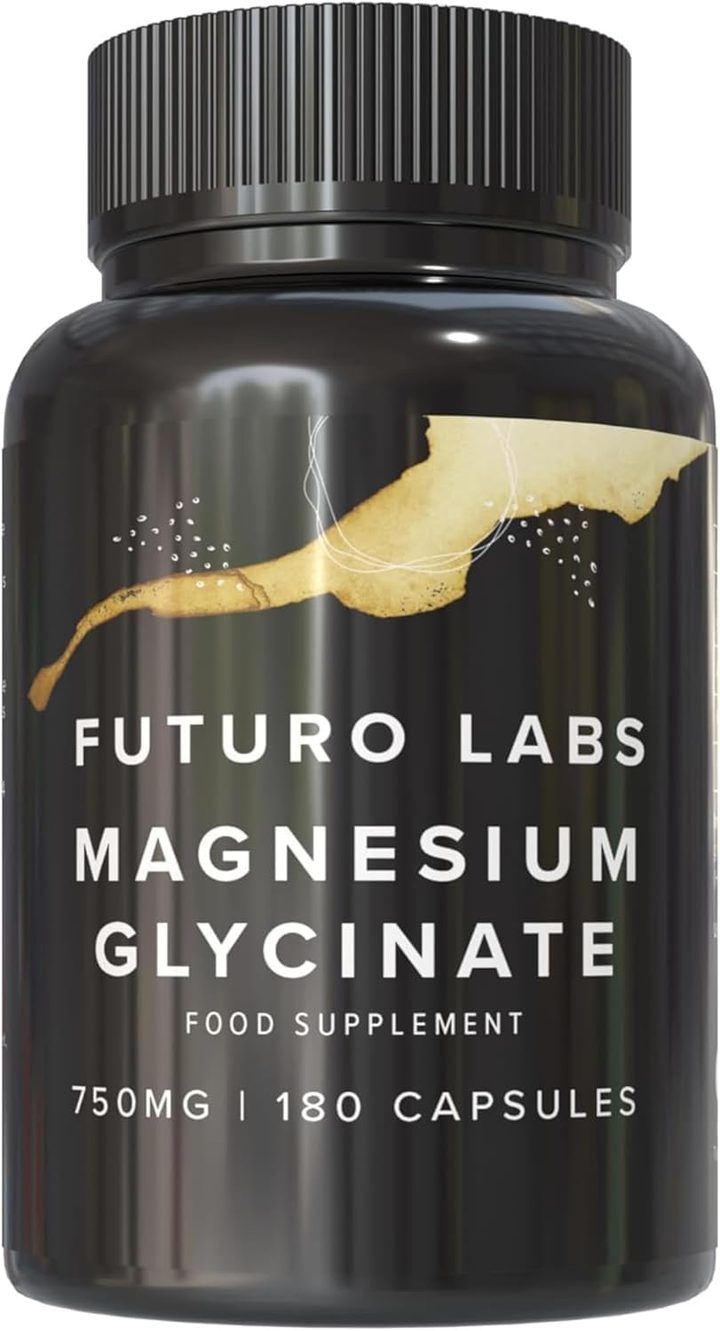
Our brand: the worked example on this page
Futuro Labs Magnesium Glycinate
- 22p a day
- 180 capsules, 2 capsules daily
- Lab tested
- Made in the UK
For the shortfall case, and the muscle-function sentence: Futuro Labs Magnesium Glycinate on Amazon UK, bisglycinate, 300mg elemental at 80% NRV, £19.99 for 90 days at 22p. Full label breakdown. The soreness page is here; the muscle-pain review template on the muscle-pain review page.
Three timelines, because how long depends on why the muscle hurts, and the claim that covers none of them
How long magnesium takes to work for muscle pain depends entirely on why the muscle hurts, so the honest answer is three timelines sorted by cause, with the careful-claims line drawn first: magnesium holds no pain claim, no soreness claim and no cramp claim, its lawful sentence being a contribution to normal muscle function, maintenance of what adequate magnesium supports, so no timeline for pain relief can be quoted as a claim and the timelines below describe what happens to pain of each cause when magnesium is taken. Timeline one, a genuine shortfall: hypomagnesaemia produces muscle cramps, irritability, twitching and weakness as part of its picture, from alcohol, medicines, gut loss or a diet that ran badly light, and repletion corrects them, intravenous magnesium in hospital within hours for severe cases and oral supplementation over days to a few weeks for the milder ones, serum magnesium responding within days and tissue status over weeks, so the reader whose muscle pain was a shortfall's cramps sees improvement on a timeline of days to weeks, the one case where magnesium works for muscle pain and the muscle-function sentence describes it. Timeline two, DOMS: the soreness of unfamiliar load fades over three to five days by its own repair process, with or without magnesium, the one small trial reporting less perceived soreness in recreational runners being unreplicated, so a lifter who took magnesium on day one of DOMS and felt better on day four has watched DOMS do what DOMS does and credited the capsule.
Timeline three, pain with another cause, the honest triage, and the timelines filed
Timeline three, pain with another cause, is the one most readers asking this question are on, and its magnesium timeline is never: a strained muscle, a tendon that hurts under load, an overuse injury from stacked weeks, a back that spasmed under a deadlift, joint pain wearing a muscle's name, and the medical causes of muscle pain, statins, thyroid problems, inflammatory conditions, infections, none of which magnesium touches at any dose on any timeline, and all of which have their own routes, rest and rehabilitation for the strain, load management for the overuse, a physiotherapist for the back, a pharmacist's medicine review for the statin and a GP for pain that is persistent, one-sided, severe or accompanied by weakness, swelling or fever. The honest triage, then, comes before the mineral: is the pain a shortfall's cramps, DOMS, or something else, and only the first has a magnesium timeline. A reader who cannot tell has a simple test in the diet audit and the blood test, a diet that ran light and a low serum magnesium making the shortfall case plausible and a replete diet ruling it out, and a reader with pain that persists beyond a fortnight, or with any red flag, has a clinician's question whatever the audit says. The timelines filed: days to weeks for a genuine shortfall's cramps and irritability, three to five days for DOMS with or without magnesium, and never for pain with another cause, no pain claim covering any of them, and the worked example being magnesium taken by a lifter for the muscle-function sentence where the audit says so, at 300mg elemental and 22p, £19.99 for 90 days, with the pain itself triaged first.
| The cause | Magnesium's timeline | What actually helps |
|---|---|---|
| A genuine shortfall's cramps and irritability | Days to weeks of repletion | Magnesium, oral within guidance or intravenous in hospital |
| DOMS | None: fades in three to five days regardless | The repeated-bout effect, sleep, protein, movement |
| A strain, a tendon, overuse | Never | Rest, rehabilitation, load management, a physiotherapist |
| A back spasm under load | Never | A physiotherapist; not a mineral |
| Medical causes: statins, thyroid, inflammation | Never | A pharmacist's review; a GP |
| The claim | None for pain | Normal muscle function is maintenance |
The verdict, one cause with a timeline and two without
How long does magnesium take to work for muscle pain: it depends on the cause and holds no pain claim, a genuine shortfall's cramps and irritability improving over days to weeks of repletion, DOMS fading in three to five days with or without magnesium, and pain from a strain, overuse, a back spasm or a medical cause never responding to magnesium and going to a physiotherapist, a pharmacist or a GP, the triage coming before the mineral. For the shortfall case and the muscle-function sentence: Futuro Labs Magnesium Glycinate, bisglycinate, 300mg elemental at 80% NRV, £19.99 for 90 days at 22p a day.
What to check on the label
- Triage the pain first: shortfall, DOMS, or something else.
- Give a shortfall days to weeks: the one magnesium timeline.
- Give DOMS three to five days: with or without the capsule.
- Give everything else a clinician: never a magnesium timeline.
- Expect no pain claim: muscle function is maintenance.
Our brand
The worked example: Futuro Labs Magnesium Glycinate
Futuro Labs Magnesium Glycinate is the worked example for magnesium reviews because its label states every number a review needs: 1500mg magnesium bisglycinate at 20%, 300mg elemental, 80% NRV, 2 capsules a day, 180 capsules for £19.99, 22p a day, UK made, vegan HPMC shell, batch tested for lead, mercury, arsenic and cadmium, and only the register's own magnesium claims printed.
- Elemental magnesium per serving
- 300mg (80% NRV)
- Form
- magnesium bisglycinate 20%
- Serving
- 2 capsules a day
- Bottle
- 180 capsules, 90 days
- Price
- £19.99 (22p a day)
- Capsule
- vegetarian shell, vegan product
Questions people also ask
How quickly does magnesium relieve muscle cramps from deficiency?
Where hypomagnesaemia is the cause, intravenous magnesium in hospital acts within hours for severe cases and oral repletion improves cramps and irritability over days to a few weeks, serum responding within days and tissue status over weeks.
Will magnesium make DOMS go away faster?
No: DOMS fades over three to five days by its own repair process with or without magnesium, and the one small trial reporting less perceived soreness in runners has not been replicated, so improvement on day four is DOMS, not the capsule.
My muscle pain has lasted weeks, will magnesium help?
Almost certainly not: pain that persists beyond a fortnight is a strain, an overuse injury, a back problem or a medical cause, none of which magnesium touches, and it goes to a physiotherapist or a GP, with red flags such as weakness, swelling or fever going sooner.
Does magnesium have a pain-relief claim?
No: magnesium's authorised sentence is a contribution to normal muscle function, a maintenance claim, and no supplement holds a claim for pain, soreness or cramp relief.
How do I know if my muscle pain is from low magnesium?
A diet audit and a blood test: a diet that ran badly light, or alcohol, medicines or gut loss, with a low serum magnesium and cramps, twitches and irritability, makes the shortfall case plausible, while a replete diet rules it out.
Sources
- The hypomagnesaemia literature: clinically low serum magnesium presents with cramps, tremor, weakness and, when severe, arrhythmias and seizures, with alcohol misuse, proton-pump inhibitors, diuretics and gastrointestinal loss the common causes, and serum magnesium an imperfect marker of tissue status. PubMed record
- The magnesium and muscle soreness literature: a small randomised trial in recreational runners reported lower perceived soreness and better recovery with 350mg of magnesium a day around a downhill run, a single unreplicated study, and no authorised claim exists for soreness or recovery. PubMed record
- Garrison SR, Korownyk CS, Kolber MR, et al. Magnesium for skeletal muscle cramps. Cochrane Database of Systematic Reviews 2020, Issue 9, CD009402. PubMed record
- The magnesium repletion literature: supplementation in adults with low status raises serum and intracellular magnesium over four to eight weeks, and trials reporting functional outcomes have dosed daily for four to twelve weeks. PubMed record