Ghost Fitness/Magnesium/How long does it take for magnesium to work for inflammation?
How long does it take for magnesium to work for inflammation?
The short answer
Inflammation is four things: an injury's, resolving over days to weeks on the healing protocol; DOMS's, peaking at one to three days; low-grade metabolic inflammation, where a meta-analysis found a small CRP fall with oral magnesium over weeks to months only where CRP was raised; and autoimmune inflammation, a specialist's. Magnesium holds no anti-inflammatory claim.
- An injury's inflammationdays to weeks: the repair's first stage, on the PEACE and LOVE protocol; no magnesium timeline
- DOMS's inflammationpeaks at one to three days, fades by a week: no magnesium timeline
- Low-grade metabolic inflammationthe CRP meta-analysis: a small fall over weeks to months, only where CRP was raised; not a claim
- Autoimmune inflammationa specialist's timeline: no supplement's
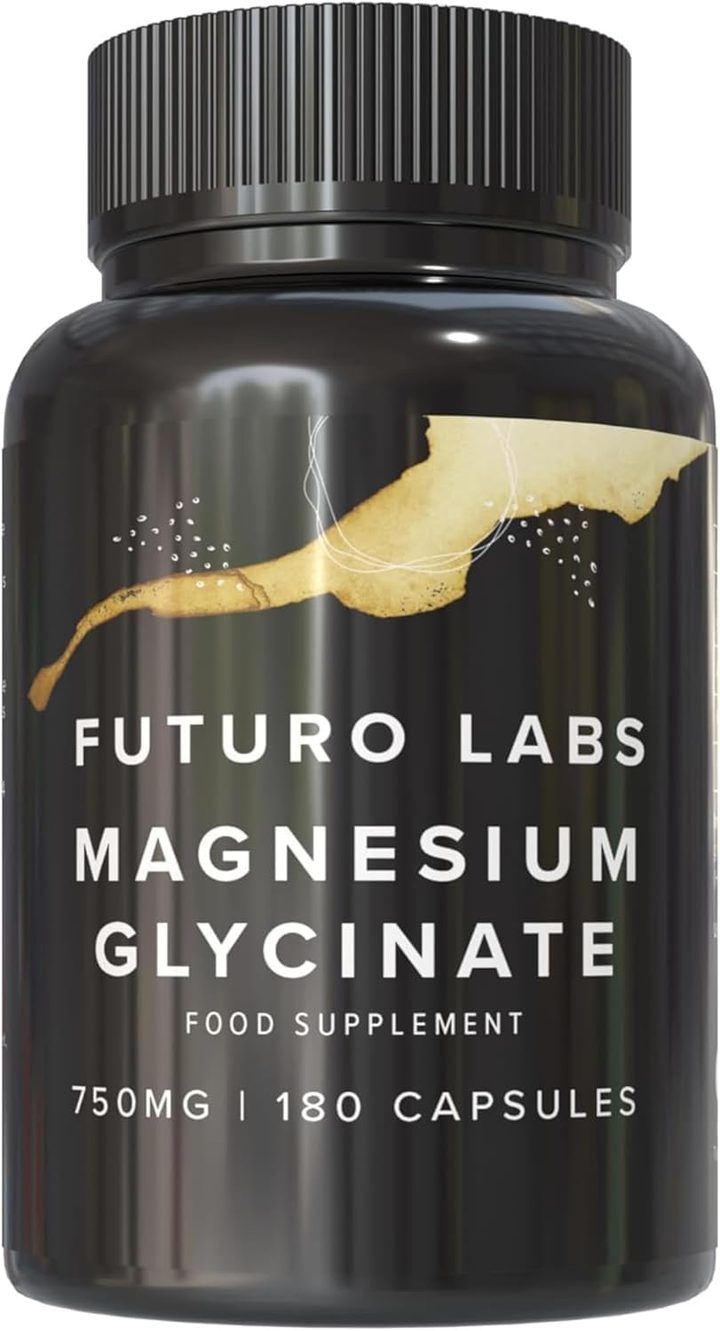
Our brand: the worked example on this page
Futuro Labs Magnesium Glycinate
- 22p a day
- 180 capsules, 2 capsules daily
- Lab tested
- Made in the UK
Magnesium for its own sentences, with no inflammation word: Futuro Labs Magnesium Glycinate on Amazon UK, bisglycinate, 300mg elemental at 80% NRV, £19.99 for 90 days at 22p. Full label breakdown. The IV-versus-oral split is on the pain and inflammation page; the gut inflammation page on the gut inflammation page.
Four inflammations, the first two with their own timelines and no magnesium file
How long it takes magnesium to work for inflammation is a question whose word covers four different things, and the careful-claims flag on this page holds from the start that magnesium has no anti-inflammatory claim and a timeline for none of them, so the honest answer is four timelines that belong to the inflammations themselves. The first inflammation is an injury's: the redness, heat, swelling and pain of the first days after a strain, a sprain or a bruise, which is the repair's first stage rather than a problem to suppress, resolving over days to a couple of weeks on the PEACE and LOVE protocol that protects and elevates early and loads progressively after, avoiding anti-inflammatory medicines in the first days for exactly that reason, and having no magnesium timeline because magnesium does nothing to it, the pulled-muscle page's finding. The second is DOMS's: the inflammatory response in repairing muscle after unfamiliar or eccentric load, which begins at eight to twenty-four hours, peaks at one to three days and fades by a week, with movement, protein, sleep and the repeated-bout effect as its levers and one small unreplicated runner trial as magnesium's only file, so no timeline again, the soreness pages' finding. A reader asking how long magnesium takes to work for either of these is waiting for something that will not arrive, while the inflammation resolves on its own clock and the capsule takes the credit.
The third and fourth inflammations, the one file magnesium has and its limits, and the question filed
The third inflammation is low-grade metabolic inflammation, the chronic slightly raised C-reactive protein of obesity, insulin resistance, poor sleep and inactivity, and this is the one place magnesium has a file: the meta-analysis of oral magnesium and CRP found a small reduction over trials of weeks to months, only in people whose CRP was raised at baseline and not in people whose CRP was normal, a modest effect in the inflamed rather than an anti-inflammatory effect in general, measured mostly in metabolic and cardiovascular populations, so a reader with a raised CRP on a light-magnesium diet might see it fall a little over the two or three months of a trial, alongside the weight loss, sleep and activity changes that move CRP far more, and a reader with a normal CRP sees nothing, the pain-and-inflammation page's narrow reading and not a claim the register grants. The fourth inflammation is autoimmune and inflammatory disease, rheumatoid arthritis, inflammatory bowel disease, psoriatic disease and the rest, whose timelines belong to a specialist's medicines and whose relationship to magnesium is that some of them drain it, inflammatory bowel disease above all, so that repletion on the team's advice corrects a deficiency the disease causes without touching the disease. The register's sentences for magnesium are muscle, nerves, psychological function, fatigue, energy and bones, and none is inflammation, so a magnesium label may not say it reduces inflammation and this site does not. The question filed: inflammation is four things, an injury's over days to weeks, DOMS's over a week, metabolic inflammation over months with a small magnesium file only where CRP was raised, and autoimmune inflammation on a specialist's clock, with magnesium having no anti-inflammatory claim and no timeline, and the worked example taken for its own sentences with no inflammation word on it, 300mg elemental at 22p, £19.99 for 90 days.
| The inflammation | Its own timeline | Magnesium's file |
|---|---|---|
| An injury's | Days to a couple of weeks on the healing protocol | None |
| DOMS's | Onset at eight to twenty-four hours, peak at one to three days, fade by a week | One small unreplicated trial |
| Low-grade metabolic | Weeks to months, moved by weight, sleep and activity | A small CRP fall, only where CRP was raised |
| Autoimmune and inflammatory disease | A specialist's medicines | Some drain magnesium; repletion corrects the deficiency, not the disease |
| The claim | None | Muscle, nerves, mind, fatigue, energy, bones |
| The worked example | For its own sentences | No inflammation word |
The verdict, four clocks that are not the mineral's
How long does it take for magnesium to work for inflammation: inflammation being four things, an injury's that resolves over days to weeks on the healing protocol, DOMS's that peaks at one to three days and fades by a week, low-grade metabolic inflammation where a meta-analysis found a small CRP fall with oral magnesium over weeks to months only in people whose CRP was raised, and autoimmune inflammation on a specialist's clock, magnesium has no anti-inflammatory claim and no timeline for any of them, the one small file being a modest effect in the metabolically inflamed rather than an anti-inflammatory property. Magnesium for its own sentences: Futuro Labs Magnesium Glycinate, bisglycinate, 300mg elemental at 80% NRV, £19.99 for 90 days at 22p a day, no inflammation word on it.
What to check on the label
- Name which inflammation you mean: injury, DOMS, metabolic, autoimmune.
- Let injury and DOMS resolve on their clocks: the protocol and a week.
- Read the CRP file narrowly: a small fall, only where raised, over months.
- Leave autoimmune inflammation to a specialist: repletion corrects a drain, not the disease.
- Expect no claim: inflammation is an absent word.
Our brand
The worked example: Futuro Labs Magnesium Glycinate
Futuro Labs Magnesium Glycinate is the worked example for magnesium reviews because its label states every number a review needs: 1500mg magnesium bisglycinate at 20%, 300mg elemental, 80% NRV, 2 capsules a day, 180 capsules for £19.99, 22p a day, UK made, vegan HPMC shell, batch tested for lead, mercury, arsenic and cadmium, and only the register's own magnesium claims printed.
- Elemental magnesium per serving
- 300mg (80% NRV)
- Form
- magnesium bisglycinate 20%
- Serving
- 2 capsules a day
- Bottle
- 180 capsules, 90 days
- Price
- £19.99 (22p a day)
- Capsule
- vegetarian shell, vegan product
Questions people also ask
Is magnesium an anti-inflammatory?
No: magnesium holds no anti-inflammatory claim, and its one file is a meta-analysis finding a small fall in C-reactive protein with oral magnesium only in people whose CRP was raised at baseline, a modest effect in the metabolically inflamed rather than an anti-inflammatory property.
How long does magnesium take to reduce CRP?
In the trials, weeks to months, and only in people whose CRP was raised at the start, alongside the weight loss, sleep and activity changes that move CRP far more; a reader with a normal CRP sees nothing.
Will magnesium reduce swelling after an injury?
No: an injury's inflammation is the repair's first stage, resolving over days to a couple of weeks on the PEACE and LOVE protocol, and magnesium does nothing to it, the protocol even avoiding anti-inflammatory medicines in the first days.
Does magnesium help inflammation from working out?
The inflammation of DOMS peaks at one to three days and fades by a week with movement, protein, sleep and the repeated-bout effect, and magnesium's only file is one small unreplicated runner trial, so there is no timeline to give.
Can magnesium help inflammatory conditions like arthritis or IBD?
Not the disease: autoimmune and inflammatory conditions have a specialist's medicines and timelines, and magnesium's relationship to some of them, inflammatory bowel disease above all, is that they drain it, so repletion on the team's advice corrects a deficiency without touching the inflammation.
Sources
- The magnesium and C-reactive protein literature: a meta-analysis of randomised trials found oral magnesium supplementation lowered CRP in people whose CRP was elevated at baseline and not in those with normal CRP, a small effect in the inflamed rather than an anti-inflammatory effect in general. PubMed record
- The delayed-onset muscle soreness time-course literature: soreness after unfamiliar or eccentric exercise begins at eight to twenty-four hours, peaks at twenty-four to seventy-two hours and resolves over five to seven days, with the repeated-bout effect reducing subsequent episodes. PubMed record
- The perioperative magnesium literature: systematic reviews find intravenous magnesium given around surgery reduces postoperative pain scores and opioid use modestly, an anaesthetic use of intravenous magnesium in hospital with no read-across to oral supplements for chronic pain. PubMed record
- The GB claims register, magnesium entries: magnesium contributes to a reduction of tiredness and fatigue, normal psychological function, normal nervous system function, normal muscle function and electrolyte balance, among others. https://www.gov.uk/government/publications/great-britain-nutrition-and-health-claims-nhc-register