Ghost Fitness/Magnesium/How long does it take for ZMA to work?
How long does it take for ZMA to work?
The short answer
Nothing kicks in: ZMA is zinc and magnesium, minerals that work by tissue status over four to eight weeks where a shortfall existed, not by an onset. Caffeine kicks in within the hour, creatine saturates in three to four weeks, and minerals replete over a month or two. The independent eight-week trial found no effect at eight weeks.
- Kicks innothing: no acute effect exists for zinc or magnesium
- The minerals' clockfour to eight weeks of daily intake to raise status where it was low
- The comparisoncaffeine within the hour; creatine three to four weeks; minerals a month or two
- The trialeight weeks in trained men: no effect on strength, composition or hormones
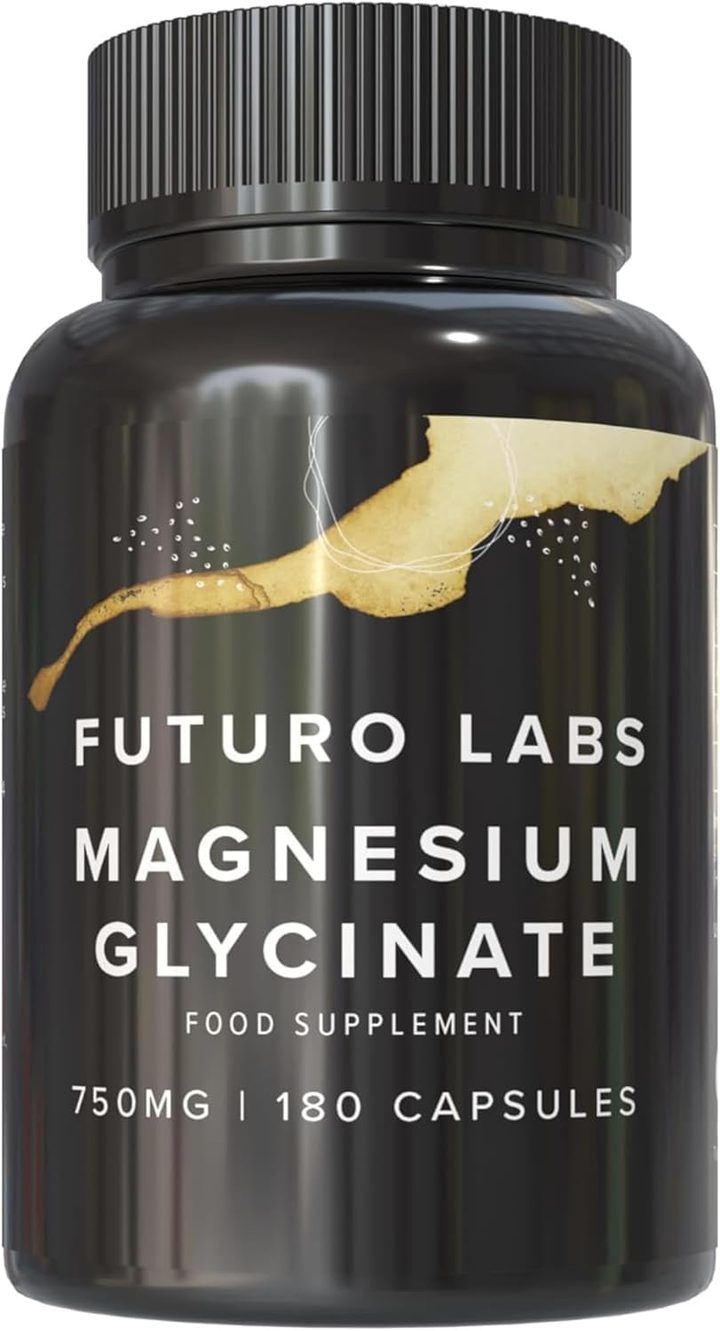
Our brand: the worked example on this page
Futuro Labs Magnesium Glycinate
- 22p a day
- 180 capsules, 2 capsules daily
- Lab tested
- Made in the UK
The magnesium half on its honest clock: Futuro Labs Magnesium Glycinate on Amazon UK, bisglycinate, 300mg elemental at 80% NRV, judged at eight weeks by audit, £19.99 for 90 days at 22p. Full label breakdown. The threads-versus-trials page is here; the ZMA-worth verdict on the ZMA-worth page.
The verb kick in, audited against what supplements actually have onsets, and the minerals' own clock
How long it takes ZMA to work, and the variant asking how long it takes to kick in, are answered by auditing the verb, because kick in describes an onset and ZMA has none. Some supplements have onsets. Caffeine kicks in within thirty to sixty minutes, peaks in the first hour or two and is felt as alertness and a lifted session, a pharmacological effect with a clock. Creatine does not kick in but saturates, muscle stores filling over three to four weeks of three to five grams a day, with the performance effect arriving as the stores fill and staying while they stay, a clock of weeks rather than an onset. Minerals replete: zinc and magnesium, the two working ingredients of ZMA, are held in tissue pools that rise over four to eight weeks of daily intake where status was low and do not rise at all where it was adequate, the repletion literature's finding, and neither has any acute effect to feel, magnesium's after-workout and recovery pages having retired the idea of a magnesium moment and zinc having none either. ZMA's clock is therefore the minerals' clock, a month or two of daily intake in a lifter who was short of one or both, with nothing to kick in on any night, the whole formula being two status nutrients and a vitamin taken on a ritual the marketing invented.
What the first night's feel is, what the eight-week trial found at eight weeks, and the timeline filed
What the first night's feel is, since the threads report it: expectation and the ritual, a capsule taken at bedtime for sleep in the belief that it sedates producing the feeling of sedation, the placebo responses in sleep being fast and substantial, plus the vivid-dream folklore primed by ZMA's B6 at a dose far below the one the dream-vividness trial used, so that a lifter who feels ZMA kick in on night one has felt belief and a bedtime routine, both real, and not zinc or magnesium, which had barely begun to absorb. What the eight-week trial found at eight weeks is the honest end of the timeline: the independent replication gave the formula to trained men through eight weeks of resistance training, the full repletion window, and found no effect on strength, body composition or anabolic and catabolic hormones, so the answer to how long it takes ZMA to work for the things it is sold for, strength and hormones, is that at the end of the window in which it would have worked it had not, in men who were not short of its minerals, the ZMA-worth page's verdict, while the original developer-linked trial's positive result in preseason footballers is read as repletion in a sweat-losing, possibly marginal population. The timeline filed: nothing kicks in, the minerals replete over four to eight weeks where a shortfall existed and never where it did not, the first night's feel is expectation and ritual, and the eight-week trial found nothing at eight weeks, so a lifter who wants to know whether their zinc and magnesium are doing anything runs a diet audit first, takes two stated tubs under the guidance levels with dinner, and judges at eight weeks on how they feel and, for zinc, on a blood test if a GP thinks it warranted, the worked example being the magnesium half on that honest clock, £19.99 for 90 days at 22p.
| The supplement | The clock | What is felt |
|---|---|---|
| Caffeine | Thirty to sixty minutes | Alertness; a pharmacological onset |
| Creatine | Three to four weeks to saturate | Performance as stores fill |
| Magnesium | Four to eight weeks to replete, where short | Nothing acute; restored function over a month or two |
| Zinc | The same | Nothing acute; adequacy over weeks |
| ZMA | The minerals' clock; nothing kicks in | The first night is expectation and ritual |
| The eight-week trial | The full window | No effect on strength, composition or hormones |
The verdict, no onset, a month or two of repletion, and nothing at the end of the window
How long does it take for ZMA to work: nothing kicks in, ZMA being zinc and magnesium, minerals that replete over four to eight weeks of daily intake where a shortfall existed and never where it did not, unlike caffeine's hour and creatine's three to four weeks of saturation, with the first night's feel being expectation and the bedtime ritual, and the independent eight-week trial in trained men finding no effect on strength, body composition or hormones at the end of the window in which it would have worked. The magnesium half on its honest clock: Futuro Labs Magnesium Glycinate, bisglycinate, 300mg elemental at 80% NRV, judged at eight weeks by audit, £19.99 for 90 days at 22p a day.
What to check on the label
- Retire kick in: minerals have no onset.
- Know the clocks: caffeine an hour, creatine a month, minerals a month or two.
- Credit the first night to ritual: expectation, and B6 folklore.
- Read the eight-week trial: nothing at the end of the window.
- Judge by audit at eight weeks: two stated tubs, with dinner.
Our brand
The worked example: Futuro Labs Magnesium Glycinate
Futuro Labs Magnesium Glycinate is the worked example for magnesium reviews because its label states every number a review needs: 1500mg magnesium bisglycinate at 20%, 300mg elemental, 80% NRV, 2 capsules a day, 180 capsules for £19.99, 22p a day, UK made, vegan HPMC shell, batch tested for lead, mercury, arsenic and cadmium, and only the register's own magnesium claims printed.
- Elemental magnesium per serving
- 300mg (80% NRV)
- Form
- magnesium bisglycinate 20%
- Serving
- 2 capsules a day
- Bottle
- 180 capsules, 90 days
- Price
- £19.99 (22p a day)
- Capsule
- vegetarian shell, vegan product
Questions people also ask
How long does it take for ZMA to kick in?
It does not: zinc and magnesium have no acute effect and work by tissue status over four to eight weeks of daily intake where a shortfall existed, so nothing kicks in on any night, and the first night's feel is expectation and the bedtime ritual.
How many weeks before ZMA shows results?
Four to eight weeks for its minerals to replete a shortfall, if one existed; the independent eight-week trial in trained men who were not short found no effect on strength, body composition or hormones at the end of that window.
Why did I feel ZMA working the first night?
Belief and routine: a capsule taken at bedtime for sleep produces the feeling of sedation through expectation, the placebo response in sleep being fast and substantial, and the vivid-dream folklore is primed by B6 at a dose far below the one studied.
How is ZMA's timeline different from creatine's?
Creatine saturates muscle stores over three to four weeks and the performance effect arrives as they fill; ZMA's minerals replete tissue pools over a month or two only where status was low, with no performance effect shown at the end of it.
How do I know if zinc and magnesium are doing anything for me?
Run a diet audit first, take two stated tubs under the guidance levels with dinner, judge at eight weeks on how you feel, and for zinc ask a GP about a blood test if there is reason to suspect a shortfall.
Sources
- The magnesium repletion literature: supplementation in adults with low status raises serum and intracellular magnesium over four to eight weeks, and trials reporting functional outcomes have dosed daily for four to twelve weeks. PubMed record
- Kreider RB, et al. International Society of Sports Nutrition position stand: safety and efficacy of creatine supplementation in exercise, sport, and medicine. Journal of the International Society of Sports Nutrition 2017;14:18. PubMed record
- Wilborn CD, et al. Effects of zinc magnesium aspartate (ZMA) supplementation on training adaptations and markers of anabolism and catabolism. Journal of the International Society of Sports Nutrition 2004;1(2):12-20. PubMed record
- The expectation and sleep literature: placebo responses in insomnia trials are substantial and rapid, subjective sleep improving within nights of starting an inert treatment the sleeper believes in. PubMed record