Ghost Fitness/Magnesium/Does magnesium help with pain and inflammation?
Does magnesium help with pain and inflammation?
The short answer
Split by route and word: intravenous magnesium around surgery modestly reduces postoperative pain and opioid use, an anaesthetic use with no read-across to capsules; oral magnesium for chronic pain has thin, mixed evidence; and for inflammation, oral magnesium lowered CRP only in people whose CRP was raised. No claim exists for either.
- Intravenous, in hospitalmodest reductions in postoperative pain and opioid use in systematic reviews: real, and not a capsule
- Oral, for painthin and mixed: small trials in specific pain conditions, nothing that reaches a claim
- Oral, for inflammationa meta-analysis: CRP lowered where it was raised at baseline, not in general
- The claimsnone for pain, none for inflammation; nervous system and muscle function are the neighbours
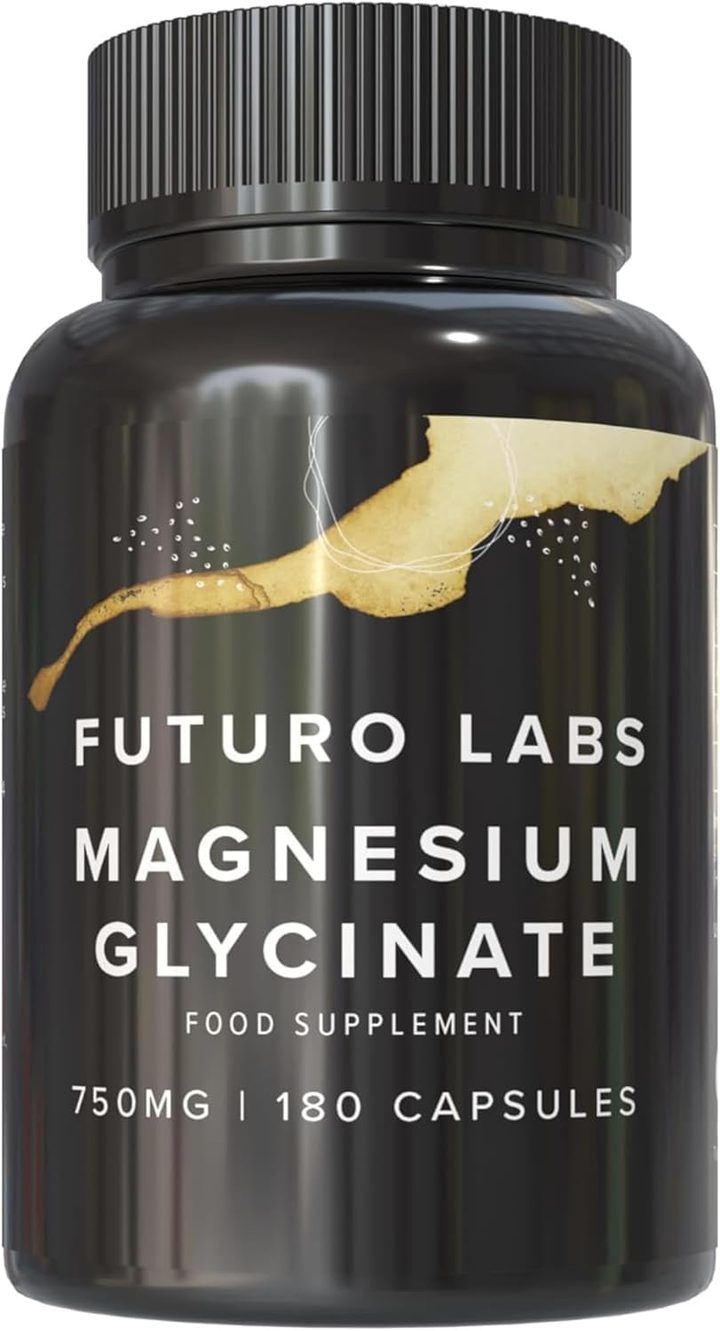
Our brand: the worked example on this page
Futuro Labs Magnesium Glycinate
- 22p a day
- 180 capsules, 2 capsules daily
- Lab tested
- Made in the UK
Magnesium for its own sentences: Futuro Labs Magnesium Glycinate on Amazon UK, bisglycinate, 300mg elemental at 80% NRV, no pain or inflammation word, £19.99 for 90 days at 22p. Full label breakdown. The muscle-pain timeline is on the muscle-pain timeline page; the recovery org chart on the recovery guide.
The split by route, because the real pain evidence for magnesium is intravenous and stays in hospital
Does magnesium help with pain and inflammation is answered by a split, first by route and then by word, because the strongest pain evidence for magnesium is real and has nothing to do with a capsule, and the careful-claims flag on this page holds the register's line throughout: magnesium has no pain claim and no inflammation claim, its lawful sentences being normal nervous system function, normal muscle function and the rest. The intravenous evidence: magnesium given intravenously around surgery, as part of an anaesthetic regimen, modestly reduces postoperative pain scores and the amount of opioid patients need afterwards in systematic reviews of randomised trials, an effect attributed to magnesium's blocking of NMDA receptors, the pathway through which pain signals are amplified, and to a muscle-relaxant effect, and it is a genuine, evidenced use of magnesium for pain, in hospital, by infusion, at blood levels a capsule cannot produce and under monitoring because those levels would be hypermagnesaemia anywhere else. The read-across to oral supplements is nil: a capsule of bisglycinate raises tissue status over weeks and leaves blood magnesium in its narrow normal range, the kidneys excreting any surplus, so the NMDA-blocking, pain-reducing concentrations of the operating theatre are never reached and never should be, the intravenous evidence being interesting, real and irrelevant to the tub in a reader's hand.
The oral evidence for pain and for inflammation, graded, and the two words filed
The oral evidence for pain is thin and mixed: small trials of oral magnesium in specific pain conditions, migraine prevention having the most, where magnesium is one of several options some guidelines mention with low-certainty evidence, fibromyalgia and chronic low back pain having small mixed studies, and dysmenorrhoea a few small old trials, none of which reaches an authorised claim and none of which describes a lifter's training pain, DOMS or injury, the soreness and muscle-pain pages holding that DOMS fades on its own timeline and injury goes to a clinician. The oral evidence for inflammation is a single honest finding: a meta-analysis of randomised trials of oral magnesium supplementation and C-reactive protein, the blood marker of inflammation, found that magnesium lowered CRP in people whose CRP was raised at baseline, the inflamed, the overweight, the metabolically unwell, and did not lower it in people whose CRP was normal, a small effect consistent with the deficiency-and-dysfunction pattern rather than with an anti-inflammatory effect in general, so a lifter with normal CRP taking magnesium for inflammation is taking it for a marker it will not move, and the observational link between low magnesium and higher CRP describes populations rather than a treatment. The two words filed: magnesium helps pain intravenously in hospital and not orally in any sense that reaches a claim, and helps inflammation only as a CRP change in people who were inflamed, with no claim for either word and the worked example taken for its own sentences, nervous-system and muscle function where a diet runs light, at 300mg elemental and 22p, £19.99 for 90 days, while a lifter's pain goes to its cause and a lifter's inflammation, if it is a word they mean, goes to sleep, load management and a GP.
| The item | The evidence | The grade |
|---|---|---|
| Intravenous magnesium, surgery | Modest reductions in postoperative pain and opioid use | Real; in hospital; no read-across to capsules |
| Oral magnesium, migraine | One of several low-certainty prevention options | Thin; a neurologist's list, not a claim |
| Oral magnesium, other pain | Small mixed trials in fibromyalgia, back pain, dysmenorrhoea | Nothing that reaches a claim |
| Oral magnesium, CRP | Lowered where raised at baseline; not where normal | A small effect in the inflamed |
| The claims | None for pain; none for inflammation | Nervous system and muscle function are the neighbours |
| The lifter | DOMS, injury, overuse | Its cause, sleep, load management, a clinician |
The verdict, real by infusion, thin by mouth, and no claim for either word
Does magnesium help with pain and inflammation: split by route and word, intravenous magnesium around surgery modestly reducing postoperative pain and opioid use as a genuine anaesthetic use with no read-across to a capsule, oral magnesium for pain having thin and mixed evidence in specific conditions that reaches no claim, and oral magnesium for inflammation lowering CRP only in people whose CRP was raised, with no authorised claim for either word and a lifter's pain and inflammation belonging to their causes. Taken for its own sentences: Futuro Labs Magnesium Glycinate, bisglycinate, 300mg elemental at 80% NRV, £19.99 for 90 days at 22p a day.
What to check on the label
- Split by route: intravenous in hospital, oral at home.
- Keep the surgical evidence where it lives: no read-across to capsules.
- Grade oral pain evidence as thin: specific conditions, low certainty.
- Read the CRP finding narrowly: lowered where raised, not in general.
- Hold the register: no pain or inflammation claim.
Our brand
The worked example: Futuro Labs Magnesium Glycinate
Futuro Labs Magnesium Glycinate is the worked example for magnesium reviews because its label states every number a review needs: 1500mg magnesium bisglycinate at 20%, 300mg elemental, 80% NRV, 2 capsules a day, 180 capsules for £19.99, 22p a day, UK made, vegan HPMC shell, batch tested for lead, mercury, arsenic and cadmium, and only the register's own magnesium claims printed.
- Elemental magnesium per serving
- 300mg (80% NRV)
- Form
- magnesium bisglycinate 20%
- Serving
- 2 capsules a day
- Bottle
- 180 capsules, 90 days
- Price
- £19.99 (22p a day)
- Capsule
- vegetarian shell, vegan product
Questions people also ask
Is magnesium a natural anti-inflammatory?
Not in any sense that reaches a claim: a meta-analysis found oral magnesium lowered C-reactive protein only in people whose CRP was raised at baseline and not in people with normal CRP, a small effect in the inflamed rather than an anti-inflammatory effect in general.
Does magnesium reduce pain?
Intravenously around surgery, modestly, by blocking NMDA receptors at blood levels only an infusion under monitoring can reach; orally, the evidence is thin and mixed in a few specific conditions and nothing reaches an authorised claim.
Why is intravenous magnesium used for pain if capsules don't work?
Because the infusion raises blood magnesium to concentrations that block pain-amplifying NMDA receptors, levels that would be hypermagnesaemia anywhere else, whereas a capsule raises tissue status over weeks and leaves blood magnesium in its normal range.
Does magnesium help migraine?
Oral magnesium appears on some migraine-prevention lists as one of several low-certainty options, a neurologist's or GP's discussion rather than a claim, and unrelated to training pain.
What should a lifter do about pain and inflammation?
Address the cause: DOMS fades on its own timeline, injury and overuse go to rest, load management and a physiotherapist, and persistent pain or an inflammatory picture goes to a GP, with magnesium taken only for its own sentences where a diet runs light.
Sources
- The perioperative magnesium literature: systematic reviews find intravenous magnesium given around surgery reduces postoperative pain scores and opioid use modestly, an anaesthetic use of intravenous magnesium in hospital with no read-across to oral supplements for chronic pain. PubMed record
- The magnesium and C-reactive protein literature: a meta-analysis of randomised trials found oral magnesium supplementation lowered CRP in people whose CRP was elevated at baseline and not in those with normal CRP, a small effect in the inflamed rather than an anti-inflammatory effect in general. PubMed record
- The GB claims register, magnesium entries: magnesium contributes to a reduction of tiredness and fatigue, normal psychological function, normal nervous system function, normal muscle function and electrolyte balance, among others. https://www.gov.uk/government/publications/great-britain-nutrition-and-health-claims-nhc-register
- The magnesium and muscle soreness literature: a small randomised trial in recreational runners reported lower perceived soreness and better recovery with 350mg of magnesium a day around a downhill run, a single unreplicated study, and no authorised claim exists for soreness or recovery. PubMed record