Ghost Fitness/Magnesium/Does magnesium help with inflammation in the gut?
Does magnesium help with inflammation in the gut?
The short answer
Grade the three phrases the question usually carries: gut lining, for which magnesium holds no claim and no trial; leaky gut, a marketing concept without a clinical definition, for which nothing holds a claim; and the microbiome, where animal studies exist and human trials do not. The honest relationship runs the other way: an inflamed gut drains magnesium.
- Gut liningno claim, no trial: the register's magnesium sentences do not mention the gut
- Leaky guta marketing concept without a clinical definition; no supplement holds a claim for it
- The microbiomeanimal studies of magnesium deficiency and gut bacteria; no human trial
- The honest relationshipan inflamed gut drains magnesium: repletion corrects the deficiency, not the inflammation
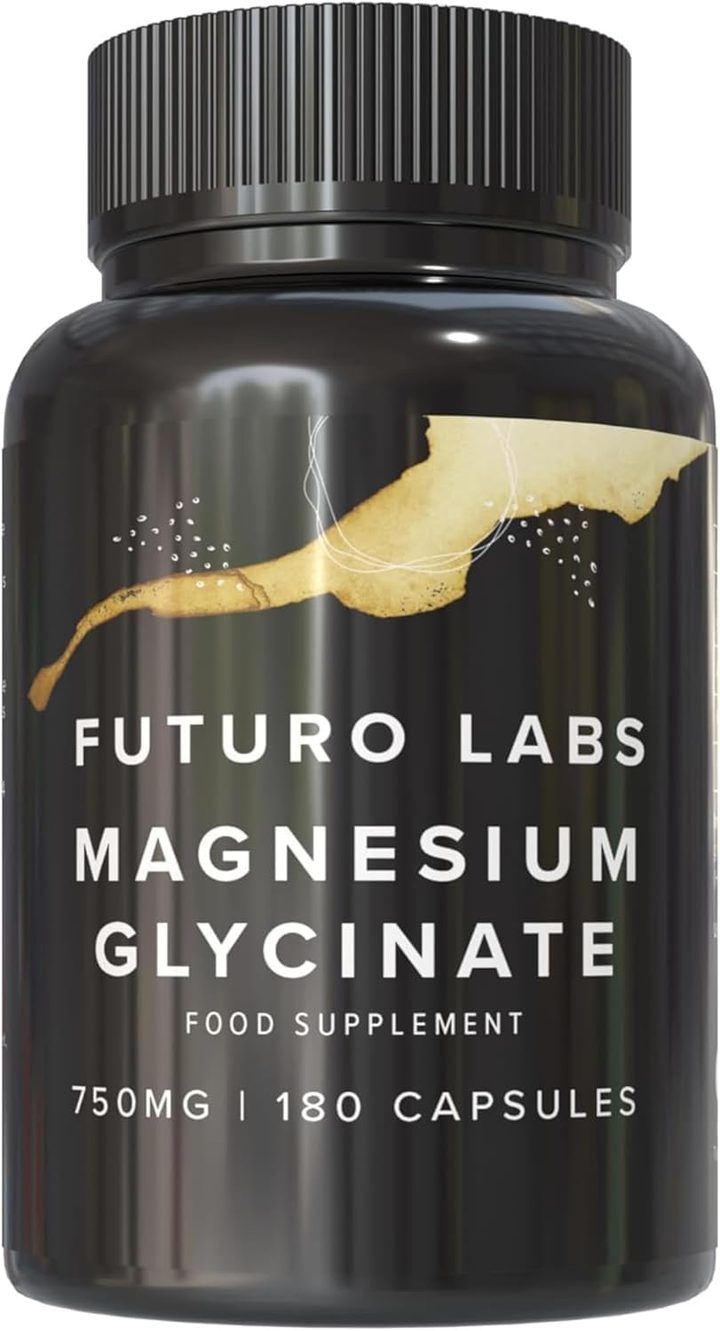
Our brand: the worked example on this page
Futuro Labs Magnesium Glycinate
- 22p a day
- 180 capsules, 2 capsules daily
- Lab tested
- Made in the UK
The salt with the least gut effect, for a deficiency an inflamed gut causes: Futuro Labs Magnesium Glycinate on Amazon UK, bisglycinate, 300mg elemental at 80% NRV, £19.99 for 90 days at 22p. Full label breakdown. The bowel-inflammation page is here; the bowel-issue split on the bowel issues page.
The three phrases the question carries, graded one at a time
Does magnesium help with inflammation in the gut is a question that usually arrives carrying three marketing phrases, and the careful-claims flag on this page grades them one at a time. Gut lining: the phrase that supplement marketing uses for the intestinal epithelium and its tight junctions, and magnesium holds no claim for it, the register's magnesium sentences being muscle, nerves, psychological function, fatigue, energy and bones with no gut, digestive, intestinal or lining word among them, and no randomised trial having tested magnesium on intestinal permeability, epithelial repair or gut inflammation in people, so the phrase attaches to magnesium by marketing rather than by evidence. Leaky gut: a phrase without a clinical definition, describing increased intestinal permeability, which is a measurable phenomenon in some diseases and a marketing concept everywhere else, and for which no supplement holds a claim, no diagnostic test is validated for general use and no treatment beyond the treatment of the underlying disease exists, the guides' claims frame putting it among the phrases that sell products and describe nothing a label may say. The microbiome: the one phrase with a literature, since magnesium deficiency alters the gut bacteria of mice and magnesium intake associates with bacterial diversity in observational human data, and also the one phrase with no human trial, no randomised study having given magnesium to people and measured a change in the microbiome that changed a symptom, so that the phrase describes a research area rather than a benefit, and a magnesium label may not print it.
The honest relationship, which runs the other way, the salt and the flare, and the phrases filed
The honest relationship between magnesium and gut inflammation runs the other way from the question: an inflamed gut drains magnesium. Inflammatory bowel disease, Crohn's and ulcerative colitis, loses magnesium through diarrhoea, absorbs it poorly through an inflamed or resected bowel and supplies less through a restricted diet, coeliac disease malabsorbs it until the diet excludes gluten, and chronic gastritis and other inflammatory conditions of the gut reduce intake and absorption in their own ways, so that magnesium deficiency is common in inflamed guts and IBD teams monitor and correct it as part of routine care, the bowel-inflammation page's distinction that magnesium is needed by the disease and not for it. Repletion on the team's advice corrects that deficiency, restoring the cramps, twitches, fatigue and nervous-system function a shortfall costs, and does nothing to the inflammation, which the team's medicines treat. The salt and the flare matter as always: bisglycinate, the least laxative salt, at a dose under the level with a meal, since citrate and oxide add an osmotic load to a bowel already running fast, and a pause in an acute flare on the team's advice, the mesalazine page's notes, with the team told what is taken because their blood tests include magnesium and they may prefer to prescribe. What helps an inflamed gut is its diagnosis and its treatment, a GP for persistent gut symptoms, a gastroenterologist for suspected inflammatory disease, a dietitian for the diet, and no phrase on a supplement tub. The phrases filed: gut lining, no claim and no trial; leaky gut, no definition and no claim; the microbiome, animal studies and no human trial; and the honest relationship being that an inflamed gut drains magnesium, corrected on advice in the salt with the least gut effect, the worked example being that salt, bisglycinate at 300mg elemental, £19.99 for 90 days at 22p.
| The phrase | The grade | The reason |
|---|---|---|
| Gut lining | No claim; no trial | The register's magnesium sentences do not mention the gut |
| Leaky gut | No definition; no claim for anything | Permeability is measurable in disease; the phrase is marketing elsewhere |
| The microbiome | Animal studies; no human trial | A research area, not a benefit a label may print |
| The honest relationship | An inflamed gut drains magnesium | Repletion corrects the deficiency, not the inflammation |
| The salt and the flare | Bisglycinate under the level; a pause in a flare | No osmotic load on a fast bowel; the team told |
| What helps an inflamed gut | Diagnosis and treatment | A GP, a gastroenterologist, a dietitian |
The verdict, three phrases that fail and a relationship that runs the other way
Does magnesium help with inflammation in the gut: no, the three phrases the question carries failing one at a time, gut lining having no claim and no trial, leaky gut having no clinical definition and no claim for any supplement, and the microbiome having animal studies and no human trial, while the honest relationship runs the other way, an inflamed gut draining magnesium so that inflammatory bowel disease, coeliac disease and other inflammatory gut conditions commonly cause a deficiency that a team corrects on advice, in bisglycinate under the level with a meal and paused in a flare, without touching the inflammation itself. The salt with the least gut effect: Futuro Labs Magnesium Glycinate, bisglycinate, 300mg elemental at 80% NRV, £19.99 for 90 days at 22p a day, mentioned to the team.
What to check on the label
- Grade the phrases: gut lining, leaky gut, microbiome, none a claim.
- Reverse the relationship: an inflamed gut drains magnesium.
- Correct the deficiency on advice: not the inflammation.
- Choose bisglycinate and pause in a flare: no osmotic load.
- Get the gut diagnosed and treated: a GP, a gastroenterologist, a dietitian.
Our brand
The worked example: Futuro Labs Magnesium Glycinate
Futuro Labs Magnesium Glycinate is the worked example for magnesium reviews because its label states every number a review needs: 1500mg magnesium bisglycinate at 20%, 300mg elemental, 80% NRV, 2 capsules a day, 180 capsules for £19.99, 22p a day, UK made, vegan HPMC shell, batch tested for lead, mercury, arsenic and cadmium, and only the register's own magnesium claims printed.
- Elemental magnesium per serving
- 300mg (80% NRV)
- Form
- magnesium bisglycinate 20%
- Serving
- 2 capsules a day
- Bottle
- 180 capsules, 90 days
- Price
- £19.99 (22p a day)
- Capsule
- vegetarian shell, vegan product
Questions people also ask
Does magnesium heal the gut lining?
No: magnesium holds no gut, digestive, intestinal or lining claim, and no randomised trial has tested it on intestinal permeability, epithelial repair or gut inflammation in people, the phrase attaching to magnesium by marketing rather than evidence.
Does magnesium help leaky gut?
Leaky gut has no clinical definition, no validated general test and no supplement claim: increased intestinal permeability is measurable in some diseases and is treated by treating the disease, and nothing on a supplement tub holds a sentence for it.
Does magnesium affect the gut microbiome?
In animal studies magnesium deficiency alters gut bacteria and in observational human data intake associates with diversity, but no randomised human trial has shown magnesium changing the microbiome in a way that changed a symptom, so it is a research area rather than a benefit.
Why do people with gut inflammation often have low magnesium?
Because the inflammation drains it: diarrhoea loses magnesium, an inflamed or resected bowel absorbs it poorly and a restricted diet supplies less, so inflammatory bowel disease and coeliac disease commonly cause a deficiency that teams monitor and correct.
Which magnesium is safest with an inflamed gut?
Bisglycinate, the least laxative salt, under the guidance level with a meal, since citrate and oxide add an osmotic load to a bowel already running fast, paused in an acute flare on the team's advice and mentioned to the team because their blood tests include magnesium.
Sources
- The inflammatory bowel disease and magnesium literature: magnesium deficiency is common in Crohn's disease and ulcerative colitis through diarrhoea, malabsorption and reduced intake, and is monitored and corrected as part of IBD care. PubMed record
- The GB claims register, magnesium entries: magnesium contributes to a reduction of tiredness and fatigue, normal psychological function, normal nervous system function, normal muscle function and electrolyte balance, among others. https://www.gov.uk/government/publications/great-britain-nutrition-and-health-claims-nhc-register
- The magnesium and C-reactive protein literature: a meta-analysis of randomised trials found oral magnesium supplementation lowered CRP in people whose CRP was elevated at baseline and not in those with normal CRP, a small effect in the inflamed rather than an anti-inflammatory effect in general. PubMed record
- Retained Regulation (EC) No 1924/2006 on nutrition and health claims made on foods, and the Great Britain nutrition and health claims register. https://www.gov.uk/government/publications/great-britain-nutrition-and-health-claims-nhc-register