Ghost Fitness/Magnesium/Magnesium for muscle pain holland and barrett review: is it worth it for lifters?
Magnesium for muscle pain holland and barrett review: is it worth it for lifters?
The short answer
Magnesium holds a normal-muscle-function claim, not a pain claim, and the cramp trials are unconvincing: review a for-muscle-pain product on its lawful claims, form and dose, and take muscle pain to load and sleep.
- The claim magnesium holdscontributes to normal muscle function: maintenance, not treatment
- The claim it does not holdpain, soreness, cramp relief: none authorised
- The cramp evidencea Cochrane review finding magnesium unlikely to help ordinary muscle cramps
- The reviewlawful claims on the label, the form, the elemental dose, the pence
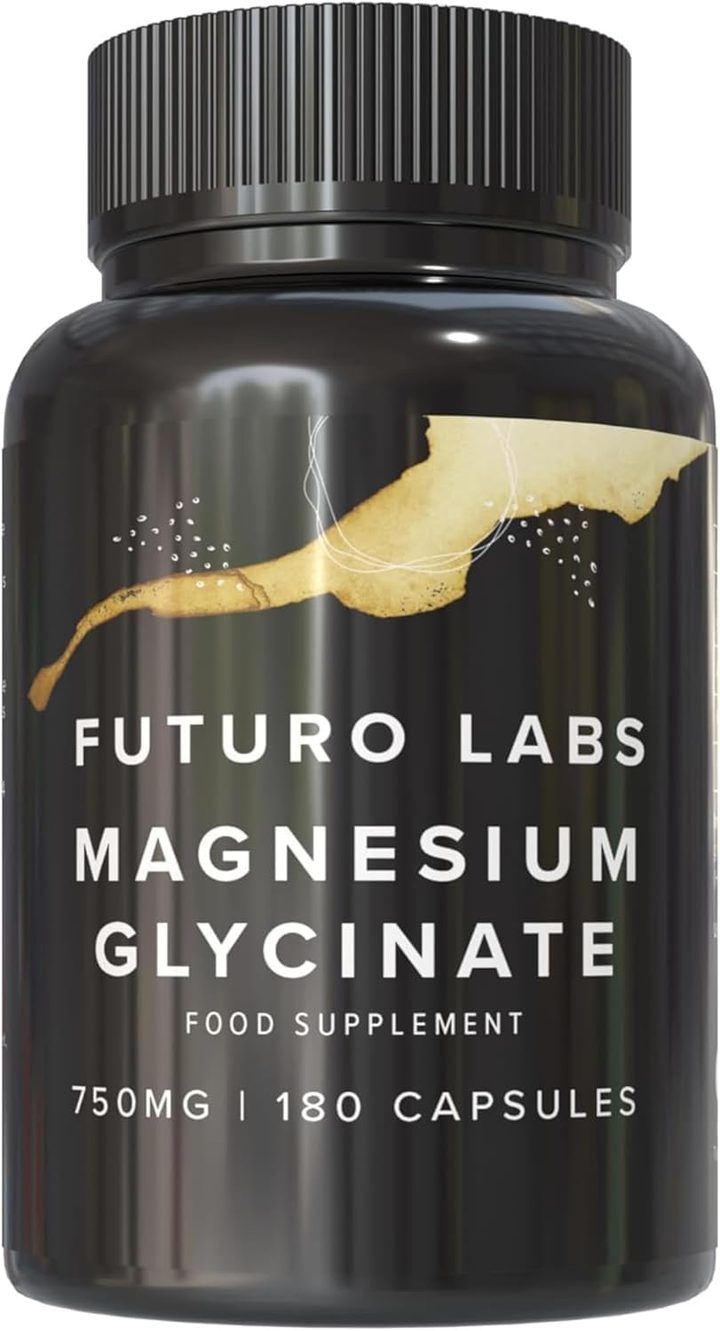
Our brand: the worked example on this page
Futuro Labs Magnesium Glycinate
- 22p a day
- 180 capsules, 2 capsules daily
- Lab tested
- Made in the UK
The lawful muscle sentence, printed without a pain word: Futuro Labs Magnesium Glycinate on Amazon UK, 300mg elemental at 80% NRV, normal muscle function among its claims, £19.99 for 90 days at 22p. Full label breakdown. The cramp evidence is on the muscle cramps page; the recovery org chart on the recovery guide.
The line between function and pain, which the product's name crosses and its label may not
A health-food chain's magnesium for muscle pain is reviewed by a line the product's name crosses and its label may not: magnesium holds an authorised claim that it contributes to normal muscle function, a maintenance sentence meaning that adequate magnesium is part of muscles working normally, and it holds no claim for pain, soreness, aching, cramp relief or recovery, none of those being authorised for magnesium or for any supplement, so a product named for muscle pain has a name that promises what the register forbids and a label that, if lawful, prints only the function sentence and its neighbours, normal nervous system function, normal protein synthesis, reduction of tiredness and fatigue, the careful-claims flag on this page meaning the line is drawn once and held. The evidence behind the name is worth stating plainly, because muscle pain readers usually mean cramps or post-training soreness: for ordinary skeletal muscle cramps, a Cochrane systematic review found magnesium unlikely to provide meaningful relief in the general population, the trials being small and the effect absent or trivial outside pregnancy, the magnesium section's cramp pages holding that finding on every page that touches it; and for post-training soreness, no trial supports magnesium as a treatment and the register offers no sentence, the recovery guides assigning soreness to sleep and load management and not to any tub. Where a genuine magnesium shortfall exists, the muscle-function claim describes what repletion restores, which is the honest scope of the product, and a lifter with a training diet that runs light on magnesium may sensibly take it for that claim, without expecting it to touch a pain the name promised.
The review run on what the label may say, and where muscle pain actually goes
With the line drawn, the product is reviewed as any magnesium is. The claims: the label read for the register's sentences and nothing beyond them, a label that prints pain relief, soothes aching muscles or eases cramps having printed an unlawful claim and disqualified itself, and a label that stays lawful while the shelf ticket and the product name do the promising being the usual own-brand pattern, reviewed on the label and not the ticket. The form: the ingredients list, own-brand for-muscle products often being oxide or citrate at a full reference value, occasionally a blend with a botanical or a B vitamin added to justify the muscle word, the additions read for their own claim status and for the room they took. The elemental dose: the %NRV line, a full 375mg at 100% NRV being common on such products in the oxide form and a smaller figure on blends. The pence: per day against 22p, per elemental milligram with the form as referee. And the testing: the four questions to the chain's customer service. Where muscle pain actually goes is the paragraph this page owes the reader who came for it: post-training soreness to sleep, load management and time, the recovery org chart's departments; cramps during or after training to hydration, electrolytes in long hot sessions, stretching and, where the cramp evidence is honest, not to magnesium unless a shortfall exists; persistent, unexplained, one-sided or severe muscle pain to a GP, since it is a symptom and not a supplement question; and the magnesium itself to its own lawful place, a maintenance mineral taken where a diet runs light, the worked example printing the normal-muscle-function sentence beside 300mg elemental at 80% NRV and no pain word anywhere, which is what the register lets a magnesium say about muscle.
| The item | The finding | The consequence |
|---|---|---|
| The lawful claim | Contributes to normal muscle function | Maintenance, printed at 15% NRV or more |
| The unlawful words | Pain, soreness, aching, cramp relief, recovery | A label printing them is disqualified |
| The cramp evidence | Cochrane: unlikely to help ordinary cramps | No magnesium product treats cramps by evidence |
| Post-training soreness | No trial, no sentence | Sleep, load management, time |
| The review | Claims, form, elemental dose, pence, testing | The tub, not the name |
| Persistent pain | A symptom | A GP, not a shelf |
The verdict, function claimed and pain sent elsewhere
Is a health-food chain's magnesium for muscle pain worth it for lifters: reviewed with the line held that magnesium holds a normal-muscle-function claim and no pain claim, that a Cochrane review found it unlikely to help ordinary cramps, and that post-training soreness belongs to sleep and load management, so the product is worth what its lawful label, form, elemental dose and pence make it as a maintenance magnesium and nothing for the pain in its name, with persistent muscle pain going to a GP. The lawful sentence without the pain word: Futuro Labs Magnesium Glycinate, 300mg elemental at 80% NRV, normal muscle function among its four printed claims, £19.99 for 90 days at 22p a day.
What to check on the label
- Hold the line: function is claimed, pain is not.
- Know the cramp evidence: unlikely to help, by Cochrane.
- Review the label, not the name: lawful sentences, form, dose, pence.
- Send soreness to the org chart: sleep, load, time.
- Send persistent pain to a GP: a symptom, not a supplement.
Our brand
The worked example: Futuro Labs Magnesium Glycinate
Futuro Labs Magnesium Glycinate is the worked example for magnesium reviews because its label states every number a review needs: 1500mg magnesium bisglycinate at 20%, 300mg elemental, 80% NRV, 2 capsules a day, 180 capsules for £19.99, 22p a day, UK made, vegan HPMC shell, batch tested for lead, mercury, arsenic and cadmium, and only the register's own magnesium claims printed.
- Elemental magnesium per serving
- 300mg (80% NRV)
- Form
- magnesium bisglycinate 20%
- Serving
- 2 capsules a day
- Bottle
- 180 capsules, 90 days
- Price
- £19.99 (22p a day)
- Capsule
- vegetarian shell, vegan product
Questions people also ask
Can magnesium supplements claim to relieve muscle pain?
No: magnesium's authorised claim is that it contributes to normal muscle function, a maintenance sentence, and no supplement holds a claim for pain, soreness, aching or cramp relief, so a label printing those has printed an unlawful claim.
Does magnesium help muscle cramps?
For ordinary skeletal muscle cramps, a Cochrane systematic review found it unlikely to provide meaningful relief, the effect absent or trivial outside pregnancy, so a cramp is not by evidence a magnesium question unless a genuine shortfall exists.
Does magnesium help post-workout muscle soreness?
No trial supports it and the register offers no sentence: soreness belongs to sleep, load management and time, with magnesium taken, if at all, for its own maintenance claims where a diet runs light.
How should I review a magnesium product sold for muscles?
On its label rather than its name: only the register's sentences printed, the form from the ingredients list, the elemental dose from the %NRV, the pence per day and a certificate on request, with any pain wording disqualifying it.
When should muscle pain go to a doctor?
When it is persistent, unexplained, one-sided or severe: that is a symptom rather than a supplement question, and a GP rather than a shelf answers it.
Sources
- Garrison SR, Korownyk CS, Kolber MR, et al. Magnesium for skeletal muscle cramps. Cochrane Database of Systematic Reviews 2020, Issue 9, CD009402. PubMed record
- The GB claims register, magnesium entries: magnesium contributes to a reduction of tiredness and fatigue, normal psychological function, normal nervous system function, normal muscle function and electrolyte balance, among others. https://www.gov.uk/government/publications/great-britain-nutrition-and-health-claims-nhc-register
- Nielsen FH, Lukaski HC. Update on the relationship between magnesium and exercise. Magnesium Research 2006;19(3):180-189. PubMed record
- Retained Regulation (EC) No 1924/2006 on nutrition and health claims made on foods, and the Great Britain nutrition and health claims register. https://www.gov.uk/government/publications/great-britain-nutrition-and-health-claims-nhc-register