Ghost Fitness/Magnesium/Magnesium Glycinate VitaBright review: is it worth it for lifters?
Magnesium Glycinate VitaBright review: is it worth it for lifters?
The short answer
Review a budget glycinate on three things: whether it is bisglycinate alone or oxide-buffered; whether the elemental milligrams need two or three capsules, since true glycinate is about a fifth magnesium; and pence per elemental milligram against 22p.
- Read one: buffered or notan ingredients list reading bisglycinate then oxide is a buffered product
- Read two: the arithmetictrue bisglycinate is ~20% magnesium: 300mg elemental needs ~1500mg over two or three capsules
- Read three: the penceprice per day per elemental milligram, against 22p for 300mg
- The verdictwritten by the reader from the three reads, not from the brand's name
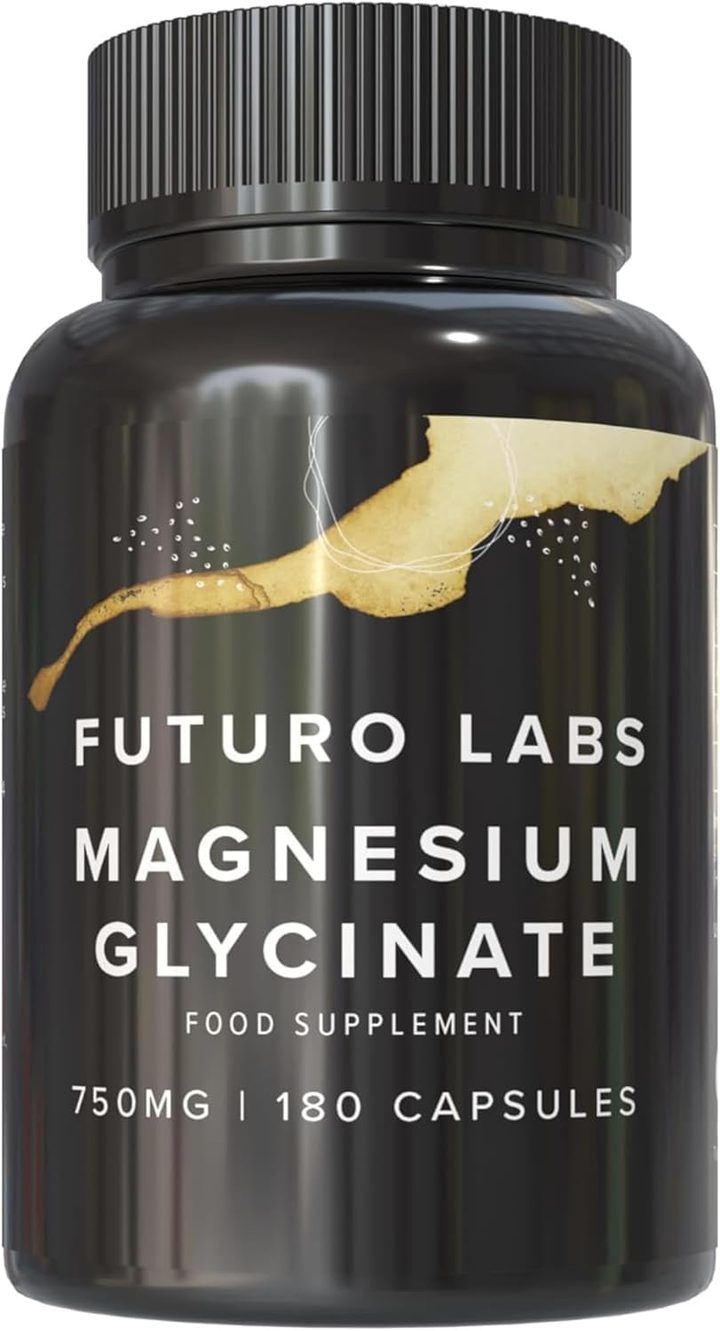
Our brand: the worked example on this page
Futuro Labs Magnesium Glycinate
- 22p a day
- 180 capsules, 2 capsules daily
- Lab tested
- Made in the UK
A glycinate that passes its own three reads: Futuro Labs Magnesium Glycinate on Amazon UK, bisglycinate alone, 1500mg giving 300mg elemental over 2 capsules, £19.99 for 90 days at 22p. Full label breakdown. The compound-per-capsule teach is on the typical-capsule page; the citrate comparison on the citrate-or-glycinate page.
The buffered-glycinate trap, which is the first thing a budget glycinate review checks
A budget online magnesium glycinate is reviewed by three reads the reader applies to the tub, and the first catches the trap that the glycinate market specifically carries. Magnesium bisglycinate is about 20% magnesium by weight, magnesium bound to two glycine molecules, so a capsule holding 500mg of true bisglycinate delivers around 100mg of elemental magnesium, and reaching 300mg elemental takes around 1500mg of compound, two large capsules or three smaller ones, an inconvenient arithmetic for a brand that wants to print a big elemental number on a one-a-day product. The trap is buffered glycinate: a product labelled magnesium glycinate whose ingredients list reads magnesium bisglycinate, magnesium oxide, or magnesium glycinate buffered, the oxide added to raise the elemental magnesium per capsule because oxide is around 60% magnesium, so that a capsule can declare 200mg or more of elemental magnesium under the glycinate name while much of that magnesium arrives as oxide, with oxide's poorer absorption and laxative effect, the reader having paid for the well-tolerated form and received a blend led by the cheap one. Read one is therefore the ingredients list: bisglycinate alone, or bisglycinate and oxide, and a product whose elemental figure per capsule looks too good for the compound weight has usually told the reader which before the list is even read, the arithmetic of the second read being the check on the first.
The arithmetic that exposes it, the pence per elemental milligram, and the verdict the reader writes
Read two is the arithmetic, and it takes a moment: divide the elemental magnesium per serving by the compound weight per serving, and true bisglycinate gives a ratio near one fifth, 300mg elemental from 1500mg compound, while a ratio much above that, 200mg elemental from 500mg of a product called glycinate, is a ratio only oxide can produce and marks a buffered blend whatever the front says; then count the capsules the label directs to reach its elemental figure, two or three being honest for a true glycinate at a reference-value dose and one being either a small dose or a buffered one. Read three is the pence, and for glycinate specifically the referee is pence per elemental milligram rather than pence per day alone, because a budget glycinate that costs 12p a day for 100mg elemental is dearer per milligram than a 22p product delivering 300mg, the cost-per-day guide's referee applied to the form where it matters most: price divided by days, divided by elemental milligrams, compared like with like. The verdict the reader writes from the three reads is the one this page cannot write for a brand whose formulations change: worth it if the ingredients list reads bisglycinate alone, if the elemental figure needs the capsules true bisglycinate needs and the label directs them, and if the pence per elemental milligram meet or beat the benchmark, and not worth it if oxide appears in the list under the glycinate name, if a one-capsule elemental figure is chemically implausible, or if the cheap price per day hides a dear price per milligram. The benchmark, stated as this site states all its examples: Futuro Labs Magnesium Glycinate, magnesium bisglycinate alone, 1500mg giving 300mg elemental over two capsules, a one-fifth ratio, batch tested, £19.99 for 90 days at 22p a day, the tub the three reads run against.
| The read | What to look for | The benchmark |
|---|---|---|
| Buffered or notOurs | Bisglycinate alone, or bisglycinate and oxide in the list | Bisglycinate alone |
| The ratio | Elemental over compound near one fifth for true glycinate | 300mg from 1500mg |
| The capsule count | Two or three to reach a reference-value dose | Two capsules |
| The pence | Per day, divided by elemental milligrams | 22p for 300mg |
| The claims and testing | Register sentences only; a certificate on request | Authorised claims; batch tested |
| The verdict | The reader's, from the reads | Not the brand's name |
The verdict, a template for a form with its own trap
Is a budget online magnesium glycinate worth it for lifters: reviewed on three reads the reader applies to the tub, whether the ingredients list shows bisglycinate alone or the oxide-buffered blend that lets a glycinate-named capsule declare more elemental magnesium than true glycinate can hold, whether the elemental-to-compound ratio sits near one fifth and the label directs the two or three capsules a reference-value dose needs, and whether the pence per elemental milligram meet the benchmark, worth it where all three pass and not where oxide hides under the name. The benchmark: Futuro Labs Magnesium Glycinate, bisglycinate alone, 1500mg giving 300mg elemental over two capsules, batch tested, £19.99 for 90 days at 22p a day.
What to check on the label
- Read the list for oxide: buffered glycinate is an oxide blend under a glycinate name.
- Run the ratio: elemental over compound near one fifth is true glycinate.
- Count the capsules: two or three for a reference-value dose.
- Price per elemental milligram: cheap per day can be dear per milligram.
- Write the verdict yourself: formulations change; the reads do not.
Our brand
The worked example: Futuro Labs Magnesium Glycinate
Futuro Labs Magnesium Glycinate is the worked example for magnesium reviews because its label states every number a review needs: 1500mg magnesium bisglycinate at 20%, 300mg elemental, 80% NRV, 2 capsules a day, 180 capsules for £19.99, 22p a day, UK made, vegan HPMC shell, batch tested for lead, mercury, arsenic and cadmium, and only the register's own magnesium claims printed.
- Elemental magnesium per serving
- 300mg (80% NRV)
- Form
- magnesium bisglycinate 20%
- Serving
- 2 capsules a day
- Bottle
- 180 capsules, 90 days
- Price
- £19.99 (22p a day)
- Capsule
- vegetarian shell, vegan product
Questions people also ask
What is buffered magnesium glycinate?
Bisglycinate blended with magnesium oxide to raise the elemental magnesium per capsule, since oxide is around 60% magnesium by weight and true bisglycinate around 20%, so a glycinate-named capsule declares more magnesium while delivering much of it as oxide.
How can I tell if a glycinate is buffered?
Two ways: the ingredients list showing magnesium oxide beside the bisglycinate, and the arithmetic, an elemental-to-compound ratio well above one fifth, such as 200mg elemental from 500mg of compound, being chemically impossible for true bisglycinate.
How many capsules should a real magnesium glycinate need?
Two or three for a reference-value dose: 300mg elemental needs about 1500mg of bisglycinate, so a one-capsule product declaring a large elemental figure is either a small dose or a buffered blend.
Is a cheaper glycinate better value?
Only per elemental milligram: a 12p-a-day product delivering 100mg elemental is dearer per milligram than a 22p product delivering 300mg, so the price is divided by days and then by elemental milligrams before comparing.
Why won't this site give a verdict on the named product?
Because formulations and prices change, and a verdict describes a tub that may differ from the one on sale; the three reads let the reader review the actual tub against a stated benchmark.
Sources
- Firoz M, Graber M. Bioavailability of US commercial magnesium preparations. Magnesium Research 2001;14(4):257-262. PubMed record
- Walker AF, Marakis G, Christie S, Byng M. Mg citrate found more bioavailable than other Mg preparations in a randomised, double-blind study. Magnesium Research 2003;16(3):183-191. PubMed record
- Retained Regulation (EU) No 1169/2011, Annex XIII: nutrient reference value for magnesium 375mg. https://www.legislation.gov.uk/eur/2011/1169/annex/XIII
- The GB claims register, magnesium entries: magnesium contributes to a reduction of tiredness and fatigue, normal psychological function, normal nervous system function, normal muscle function and electrolyte balance, among others. https://www.gov.uk/government/publications/great-britain-nutrition-and-health-claims-nhc-register