Ghost Fitness/Magnesium/Magnesium glycinate 300mg boots review: is it worth it for lifters?
Magnesium glycinate 300mg boots review: is it worth it for lifters?
The short answer
Ask 300mg of what: 300mg of elemental magnesium reads 80% NRV and needs around 1500mg of bisglycinate over two or three capsules, while 300mg of magnesium bisglycinate is about 60mg elemental and 16% NRV. The %NRV line settles it.
- 300mg elemental80% NRV; about 1500mg of bisglycinate; two or three capsules
- 300mg of bisglycinateabout 60mg elemental; 16% NRV; one capsule
- The settling linethe %NRV: 80% or 16% tells you which product you hold
- The lifter's doseelemental near the reference value, in a form the gut tolerates nightly
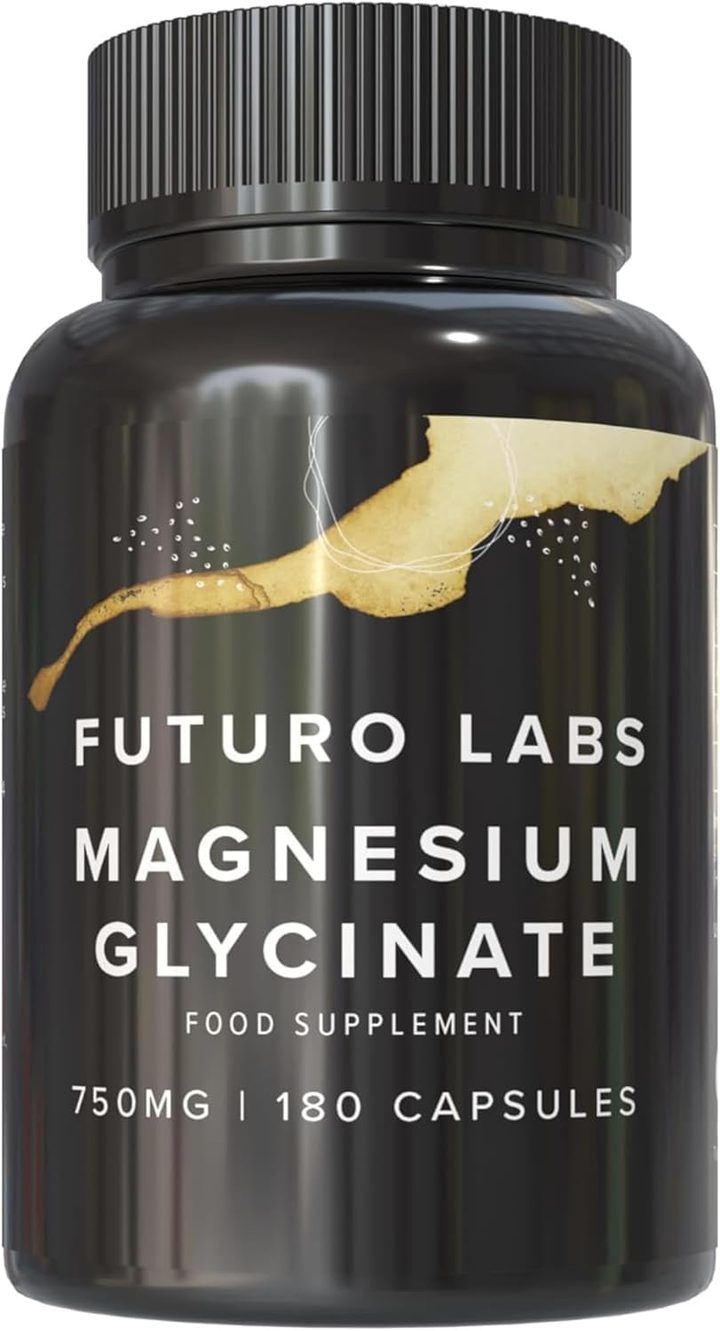
Our brand: the worked example on this page
Futuro Labs Magnesium Glycinate
- 22p a day
- 180 capsules, 2 capsules daily
- Lab tested
- Made in the UK
300mg elemental, stated as such: Futuro Labs Magnesium Glycinate on Amazon UK, 1500mg bisglycinate giving 300mg elemental at 80% NRV over 2 capsules, £19.99 for 90 days at 22p. Full label breakdown. The five-reads template is on the own-brand review template; the elemental teach on the elemental-per-day page.
300mg of what, because the same number on a glycinate label describes two products five times apart
A pharmacy own-brand magnesium glycinate 300mg is reviewed by one question before any other, 300mg of what, because on a glycinate label the same number describes two products five times apart. If the 300mg is elemental magnesium, the magnesium itself, the product delivers 80% of the 375mg nutrient reference value, which for bisglycinate at around 20% magnesium by weight means roughly 1500mg of compound in the daily dose, two or three capsules, a full lifter's dose in the well-tolerated form and the worked example's exact specification. If the 300mg is magnesium bisglycinate, the compound, the product delivers around 60mg of elemental magnesium, 16% of the NRV, in a single capsule that fits the number on the front, a token dose in a good form, one capsule of which is a fifth of the other product's daily amount. Own-brand labels use both conventions, some printing the compound weight on the front because 300mg reads well and some printing the elemental figure because it is the honest one, and a reader cannot tell from the front which they are holding. The %NRV line settles it in a second: the nutrient table on the back declares magnesium as an amount with its percentage of the NRV, 80% meaning the 300mg is elemental and 16% meaning it is compound, the label guide's elemental rule in its most consequential application, since a lifter who bought the 16% product believing it the 80% one is taking a fifth of the dose they meant to take for the whole of the bottle.
The rest of the review once the number is settled, and the verdict for each of the two products
Once 300mg of what is settled, the rest of the review runs the five reads of the own-brand template. The form is answered, glycinate, subject to the buffered check, the ingredients list read for magnesium oxide beside the bisglycinate, since an own-brand glycinate declaring a high elemental figure in one capsule has either used the compound convention or buffered with oxide, and the list says which. The elemental dose is answered by the %NRV, 80% or 16%. The pence run per elemental milligram, an own-brand 300mg-compound product at 8p a day for 60mg elemental costing more per milligram than the benchmark's 22p for 300mg, and an own-brand 300mg-elemental product at 15p a day costing less, the referee being the milligram and not the day. The claims are read against the register's magnesium sentences, own-brand pharmacy labels usually staying within them. And the testing is asked for with the four questions to the retailer's customer service, own-brand labels rarely stating a laboratory. The verdict for each of the two products the same front label can describe: the 300mg-elemental version is worth it for a lifter if the ingredients list is bisglycinate alone, the capsule count matches the chemistry and the pence per milligram divide well, an own-brand at that specification being a fine buy; the 300mg-compound version is a token dose in a good form, worth it only for a reader who wants a small top-up and not for the lifter who meant to take a reference-value dose, who would need five capsules a day and a recalculated price to get there. The benchmark, stated as always: Futuro Labs Magnesium Glycinate, 1500mg bisglycinate giving 300mg elemental at 80% NRV over two capsules, the elemental convention printed with its maths, batch tested, £19.99 for 90 days at 22p a day.
| The item | 300mg elemental | 300mg bisglycinate |
|---|---|---|
| The %NRV lineOurs | 80% | About 16% |
| The compound in the dose | About 1500mg | 300mg |
| The capsules | Two or three | One |
| The lifter's read | A reference-value dose in a good form | A token top-up in a good form |
| The pence | Per elemental milligram against 22p for 300mg | Cheap per day, dear per milligram |
| The worked example | This convention, printed with its maths | Not this |
The verdict, one number and one line that settles it
Is a pharmacy own-brand magnesium glycinate 300mg worth it for lifters: only after asking 300mg of what, since 300mg of elemental magnesium is 80% NRV over two or three capsules of roughly 1500mg of bisglycinate and 300mg of the compound is about 60mg elemental at 16% NRV in one capsule, the %NRV line on the back settling which product the front describes, the elemental version worth it where the list is bisglycinate alone and the pence per milligram divide, and the compound version a token top-up rather than a lifter's dose. The elemental convention printed with its maths: Futuro Labs Magnesium Glycinate, 1500mg bisglycinate giving 300mg elemental at 80% NRV over two capsules, £19.99 for 90 days at 22p a day.
What to check on the label
- Ask 300mg of what: elemental or compound.
- Read the %NRV line: 80% or 16% settles it.
- Check for oxide in the list: a high elemental figure in one capsule is a tell.
- Price per elemental milligram: not per day.
- Take five capsules or buy the other tub: if the front meant the compound.
Our brand
The worked example: Futuro Labs Magnesium Glycinate
Futuro Labs Magnesium Glycinate is the worked example for magnesium reviews because its label states every number a review needs: 1500mg magnesium bisglycinate at 20%, 300mg elemental, 80% NRV, 2 capsules a day, 180 capsules for £19.99, 22p a day, UK made, vegan HPMC shell, batch tested for lead, mercury, arsenic and cadmium, and only the register's own magnesium claims printed.
- Elemental magnesium per serving
- 300mg (80% NRV)
- Form
- magnesium bisglycinate 20%
- Serving
- 2 capsules a day
- Bottle
- 180 capsules, 90 days
- Price
- £19.99 (22p a day)
- Capsule
- vegetarian shell, vegan product
Questions people also ask
Does magnesium glycinate 300mg mean 300mg of magnesium?
Not necessarily: it may mean 300mg of elemental magnesium, 80% NRV over two or three capsules of about 1500mg of bisglycinate, or 300mg of the bisglycinate compound, about 60mg elemental at 16% NRV in one capsule, the %NRV line on the back telling you which.
How do I check which convention an own-brand label uses?
The nutrient table's %NRV: 80% means the 300mg is elemental magnesium, and around 16% means it is the compound weight, a difference of five times in the dose taken.
How much elemental magnesium is in 300mg of magnesium bisglycinate?
About 60mg, since bisglycinate is roughly 20% magnesium by weight, which is 16% of the 375mg nutrient reference value and a token dose for a lifter who meant to take a reference-value amount.
Is a cheap own-brand glycinate good value?
Per elemental milligram, sometimes: a 300mg-elemental own-brand at 15p a day beats the 22p benchmark, while a 300mg-compound product at 8p a day for 60mg elemental costs more per milligram than either, the milligram being the referee.
What should a lifter take if the tub turns out to be the compound version?
Either five capsules a day to reach a reference-value dose, with the price recalculated, or a tub that states its elemental figure with its maths, like the worked example's 1500mg giving 300mg over two capsules.
Sources
- Retained Regulation (EU) No 1169/2011, Annex XIII: nutrient reference value for magnesium 375mg. https://www.legislation.gov.uk/eur/2011/1169/annex/XIII
- Firoz M, Graber M. Bioavailability of US commercial magnesium preparations. Magnesium Research 2001;14(4):257-262. PubMed record
- Walker AF, Marakis G, Christie S, Byng M. Mg citrate found more bioavailable than other Mg preparations in a randomised, double-blind study. Magnesium Research 2003;16(3):183-191. PubMed record
- The GB claims register, magnesium entries: magnesium contributes to a reduction of tiredness and fatigue, normal psychological function, normal nervous system function, normal muscle function and electrolyte balance, among others. https://www.gov.uk/government/publications/great-britain-nutrition-and-health-claims-nhc-register