Ghost Fitness/Magnesium/Boots magnesium supplement review: is it worth it for lifters?
Boots magnesium supplement review: is it worth it for lifters?
The short answer
Review the tub, not the shop: read the form, since pharmacy own-brands often use oxide, the elemental milligrams and %NRV, the capsules per day, the pence per day at 22p as the benchmark, and the claims.
- Read one: the formoxide, citrate, bisglycinate: the tolerance and absorption question
- Read two: the elemental dosethe milligrams of magnesium with their %NRV, not the compound weight
- Read three: the penceprice over servings at the label's direction, against 22p
- Reads four and fivethe claims against the register; testing and address on the label
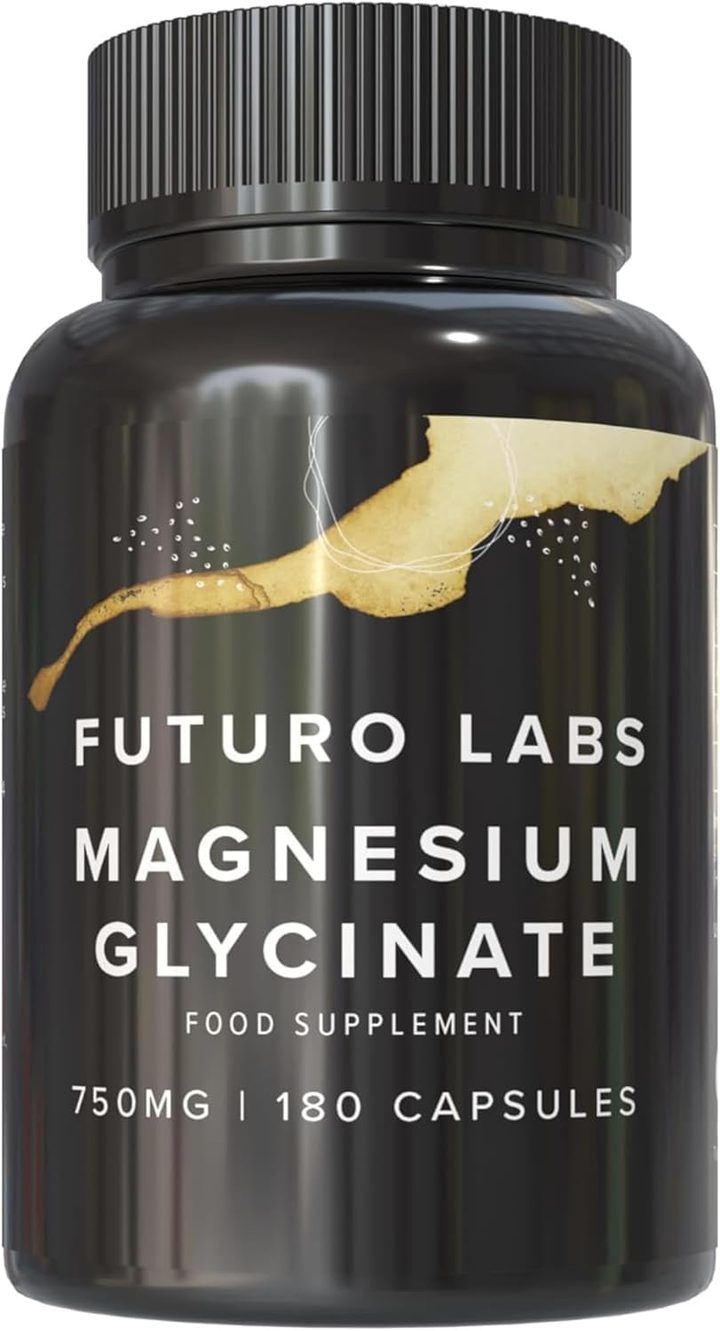
Our brand: the worked example on this page
Futuro Labs Magnesium Glycinate
- 22p a day
- 180 capsules, 2 capsules daily
- Lab tested
- Made in the UK
The benchmark the review runs against: Futuro Labs Magnesium Glycinate on Amazon UK, bisglycinate, 300mg elemental at 80% NRV, 2 capsules, 90 days, batch tested, £19.99 at 22p. Full label breakdown. The form comparison is in the magnesium section; the store checks on the store guide.
Why this review is a template rather than a verdict, and the first three reads
A high-street pharmacy's own-brand magnesium is a product this site can teach a lifter to review but will not review for them, because own-brand ranges reformulate, relabel and reprice without notice and a verdict written today describes a tub that may not be on the shelf next month, so this page is the template, the five reads that review any magnesium tub, applied by the reader to the one in their hand. Read one, the form: the ingredients list and the nutrient line say which magnesium salt the capsule or tablet contains, and pharmacy own-brands have traditionally favoured magnesium oxide, the cheapest and most concentrated salt, sometimes citrate, occasionally a blend, and rarely bisglycinate, which matters because oxide is poorly absorbed and the most laxative of the common forms while citrate absorbs better with a moderate laxative effect and bisglycinate absorbs well with the least, the magnesium section's standing comparison, so a lifter taking magnesium nightly reads the form first and prefers the one their gut tolerates. Read two, the elemental dose: the label's magnesium line with its %NRV, the elemental milligrams rather than the compound weight, so that an own-brand tablet declaring magnesium 375mg at 100% NRV has declared a full reference value, often as oxide, and one declaring magnesium oxide 500mg has declared a compound whose elemental content is around 300mg and must be read from the %NRV or calculated, the label guide's elemental rule. Read three, the pence: the price divided by the servings in the pack at the label's direction, own-brand packs often being 60 or 90 tablets at one a day, so that a £6 pack of 60 is 10p a day and a £9 pack of 90 the same, cheaper than the worked example's 22p and honestly so if the form and dose suit, dearer in absorbed magnesium if the form is oxide and the gut objects, the cost-per-day guide's arithmetic with the form's absorption as the referee.
Reads four and five, the verdict the reader writes, and the benchmark the review runs against
Read four, the claims: the front and back read against the register, magnesium's authorised sentences being the reduction of tiredness and fatigue, normal psychological function, normal nervous system function, normal muscle function, normal protein synthesis and electrolyte balance among others, all lawful at 15% NRV or more, and any sentence beyond them, sleep, stress relief, relaxation, being unlawful advertising that disqualifies the tub whatever the shop, own-brand pharmacy labels usually staying within the register and their shelf tickets sometimes not. Read five, the testing and the address: a UK address will be present on an own-brand product, the responsible business being the retailer, and testing will usually be unstated, own-brand labels rarely naming a laboratory or offering certificates, so the tested brands guide's four questions go to the retailer's customer service and the reply is read as the answer, a mineral's metals certificate being the document its category needs. The verdict the reader writes from five reads is the honest one this page cannot write for them: worth it for a lifter if the form is one their gut tolerates at a nightly dose, if the elemental magnesium is at or near the reference value, if the pence divide well against the benchmark, if the claims stay on the register and if the retailer can produce a certificate on request, and not worth it if the form is oxide and the gut objects, if the elemental figure hides behind a compound weight, or if the label or ticket promises sleep. The benchmark the review runs against, stated as this site states all its examples: Futuro Labs Magnesium Glycinate, bisglycinate for tolerance, 300mg elemental at 80% NRV, two capsules, 90 days at 22p, batch tested for metals with certificates askable, authorised claims only, a product that costs more per day than a pharmacy oxide and buys the form and the certificate the five reads look for, the tub in your hand being reviewed against it and not against the shop's name.
| The read | What to look for | The benchmark |
|---|---|---|
| The form | Oxide, citrate or bisglycinate in the ingredients | Bisglycinate: best tolerated nightly |
| The elemental doseOurs | Magnesium in mg with %NRV, not compound weight | 300mg at 80% NRV |
| The pence | Price over servings at label direction | 22p; a 10p oxide is cheaper and less absorbed |
| The claims | Only the register's magnesium sentences | Fatigue, psychological, nervous system, muscle |
| Testing and address | A UK address; a certificate on request | Batch tested for metals; certificates askable |
| The verdict | Written by the reader from the five reads | The tub, not the shop |
The verdict, a template and a benchmark
Is a high-street pharmacy's own-brand magnesium worth it for lifters: reviewed by five reads the reader applies to the tub in their hand, the form since own-brands often use oxide, the elemental milligrams with their %NRV rather than the compound weight, the pence per day against 22p, the claims against the register's magnesium sentences, and the testing and address with the four questions to the retailer, worth it where the form is tolerated nightly, the elemental dose is near the reference value, the pence divide and the claims stay lawful, and not otherwise. The benchmark: Futuro Labs Magnesium Glycinate, bisglycinate, 300mg elemental at 80% NRV, two capsules, batch tested, authorised claims only, £19.99 for 90 days at 22p a day, the tub the review runs against.
What to check on the label
- Read the form first: oxide, citrate or bisglycinate.
- Read the elemental figure: %NRV, not compound weight.
- Divide the pence: against 22p, with absorption as referee.
- Scan the claims and the ticket: sleep is a disqualifier.
- Ask the retailer the four questions: the reply is the testing answer.
Our brand
The worked example: Futuro Labs Magnesium Glycinate
Futuro Labs Magnesium Glycinate is the worked example for magnesium reviews because its label states every number a review needs: 1500mg magnesium bisglycinate at 20%, 300mg elemental, 80% NRV, 2 capsules a day, 180 capsules for £19.99, 22p a day, UK made, vegan HPMC shell, batch tested for lead, mercury, arsenic and cadmium, and only the register's own magnesium claims printed.
- Elemental magnesium per serving
- 300mg (80% NRV)
- Form
- magnesium bisglycinate 20%
- Serving
- 2 capsules a day
- Bottle
- 180 capsules, 90 days
- Price
- £19.99 (22p a day)
- Capsule
- vegetarian shell, vegan product
Questions people also ask
What form of magnesium do pharmacy own-brands usually use?
Traditionally magnesium oxide, the cheapest and most concentrated salt, sometimes citrate and rarely bisglycinate, which matters because oxide is poorly absorbed and the most laxative of the common forms.
How do I read the dose on an own-brand magnesium?
From the magnesium line with its %NRV: 375mg at 100% NRV is a full reference value of elemental magnesium, while magnesium oxide 500mg is a compound weight whose elemental content is around 300mg and must be read from the %NRV.
Is a cheap pharmacy magnesium good value for a lifter?
At 10p a day it is cheaper than the 22p benchmark, and honestly so if the form suits your gut and the elemental dose is near the reference value; if the form is oxide and the gut objects, the absorbed magnesium per penny is worse.
What claims can a magnesium supplement legally make?
The register's magnesium sentences: reduction of tiredness and fatigue, normal psychological, nervous system and muscle function, normal protein synthesis and electrolyte balance, at 15% NRV or more; sleep, stress relief and relaxation are unlawful.
Why won't this site give a verdict on the named product?
Because own-brand ranges reformulate, relabel and reprice without notice, so a verdict describes a tub that may have changed; the five reads let the reader review the actual tub against a stated benchmark.
Sources
- Firoz M, Graber M. Bioavailability of US commercial magnesium preparations. Magnesium Research 2001;14(4):257-262. PubMed record
- Walker AF, Marakis G, Christie S, Byng M. Mg citrate found more bioavailable than other Mg preparations in a randomised, double-blind study. Magnesium Research 2003;16(3):183-191. PubMed record
- The GB claims register, magnesium entries: magnesium contributes to a reduction of tiredness and fatigue, normal psychological function, normal nervous system function, normal muscle function and electrolyte balance, among others. https://www.gov.uk/government/publications/great-britain-nutrition-and-health-claims-nhc-register
- Retained Regulation (EU) No 1169/2011, Annex XIII: nutrient reference value for magnesium 375mg. https://www.legislation.gov.uk/eur/2011/1169/annex/XIII