Ghost Fitness/Magnesium/Does magnesium help muscle?
Does magnesium help muscle?
The short answer
Yes, as the physiology behind its claim: in a muscle fibre calcium triggers contraction and magnesium opposes calcium, sits in the relaxation phase and, bound to ATP, powers the pumps that reset the fibre, so a contribution to normal muscle function is a maintenance sentence with a mechanism. A shortfall raises excitability; repletion restores normal function.
- Contractioncalcium released inside the fibre triggers it; magnesium-ATP powers the myosin stroke
- Relaxationmagnesium opposes calcium and magnesium-ATP powers the pumps that clear it
- The claima contribution to normal muscle function: maintenance with a mechanism
- A shortfallraised excitability: cramps, twitches, tremor; repletion restores normal function
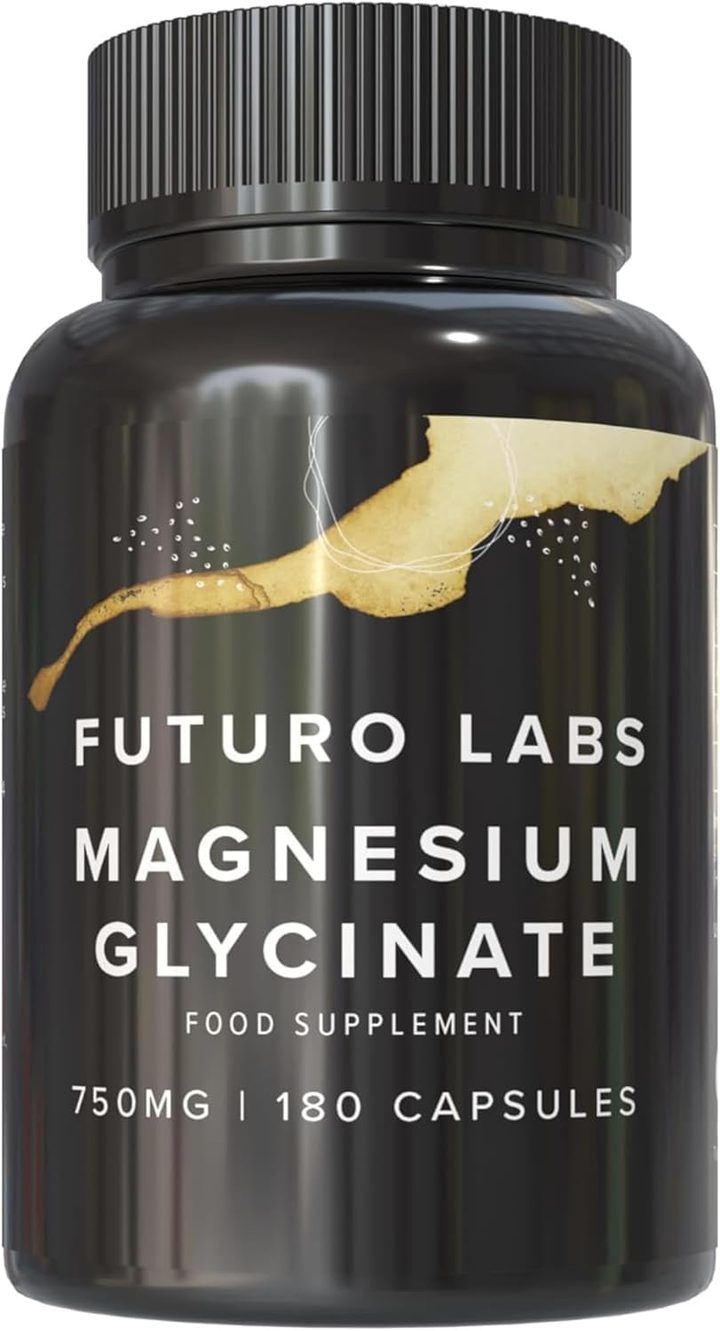
Our brand: the worked example on this page
Futuro Labs Magnesium Glycinate
- 22p a day
- 180 capsules, 2 capsules daily
- Lab tested
- Made in the UK
The muscle-function sentence at a replete dose: Futuro Labs Magnesium Glycinate on Amazon UK, bisglycinate, 300mg elemental at 80% NRV, £19.99 for 90 days at 22p. Full label breakdown. The build-muscle page is here; the athletes flagship on the athletes page.
The contraction-relaxation cycle, which is the physiology behind the muscle-function claim
Does magnesium help muscle is best answered by the physiology behind the claim it holds, because a contribution to normal muscle function is a sentence with a mechanism and the mechanism is a cycle. Contraction: a nerve impulse reaches the fibre, calcium floods out of its internal store, the sarcoplasmic reticulum, binds to the regulatory proteins on the thin filament and uncovers the sites where the myosin heads attach, and the heads stroke, each stroke spending an ATP that is only usable as magnesium-ATP, so that magnesium is present in the power stroke as the cofactor without which the ATP is inert. Relaxation: for the fibre to let go, the calcium must be pumped back into its store and out of the cell, and the pumps that do it, the calcium-ATPases, run on magnesium-ATP, while magnesium itself competes with calcium for binding sites, damping the calcium signal and helping the fibre return to rest, which is why magnesium is described as the relaxation mineral in a sense that is physiological rather than mystical, calcium contracting and magnesium opposing calcium and powering the reset. At the neuromuscular junction upstream, magnesium antagonises the calcium that triggers acetylcholine release, setting the excitability of the whole system, the twitching-from-excess page's direction. A muscle, then, contracts on calcium and magnesium-ATP and relaxes on magnesium and magnesium-ATP, and a fibre with adequate magnesium runs the cycle normally, which is what the register's sentence describes and the honest sense in which magnesium helps muscle.
What a shortfall does to a muscle, what repletion restores, what surplus adds, and the question filed
What a shortfall does to a muscle follows from the cycle: with less magnesium to oppose calcium and to power the pumps, excitability rises and relaxation slows, and the muscle twitches, cramps and, in severe deficiency, goes into tetany, the hypomagnesaemia picture of alcohol misuse, medicines, gut loss and a diet that ran badly light, alongside the weakness and fatigue of a fibre whose ATP is short of its cofactor, which is why cramps and tremor are deficiency signs and why the deficiency direction is the one where magnesium and muscle symptoms genuinely connect. What repletion restores is normal function, the cycle running as it should over the four to eight weeks it takes tissue status to rise, the muscle no longer twitching or cramping for want of the cofactor, and, in the athletes with marginal status whose performance markers improved in the trials, whatever the shortfall had been costing, the deficiency-repletion pattern of the athletes flagship. What surplus adds is nothing: a fibre with its cofactor met has its cofactor met, more magnesium in the blood being excreted by the kidneys rather than stored in the muscle, and the old trial reporting greater strength gains in untrained novices with supplementation having never been replicated in trained lifters, so magnesium does not make a replete muscle stronger, faster or bigger. Is magnesium glycinate good for muscles, the variant asks: yes as a maintenance mineral at a replete dose, bisglycinate being the salt absorbed well and tolerated nightly, for a lifter whose diet audit finds intake short, and neutral for one who was replete. The question filed: magnesium helps muscle as the mineral that opposes calcium and powers the ATP of both contraction and relaxation, the physiology behind its muscle-function claim, with a shortfall raising excitability, repletion restoring normal function and surplus adding nothing, the worked example being the sentence at a replete dose, 300mg elemental, £19.99 for 90 days at 22p.
| The phase | What happens | Magnesium's part |
|---|---|---|
| Excitation | Acetylcholine release at the junction | Antagonises calcium; sets excitability |
| Contraction | Calcium uncovers the binding sites; myosin strokes | Each stroke spends magnesium-ATP |
| Relaxation | Calcium pumped back into its store | Opposes calcium; powers the pumps as magnesium-ATP |
| A shortfall | Excitability up, relaxation slow | Cramps, twitches, tremor, fatigue |
| Repletion | The cycle runs normally over weeks | Normal muscle function restored |
| Surplus | Excreted, not stored | Nothing added to a replete fibre |
The verdict, the mineral of the relaxation phase and the cofactor of both
Does magnesium help muscle: yes, in the physiological sense its claim describes, calcium triggering contraction and magnesium opposing calcium, sitting in the relaxation phase and, bound to ATP, powering both the myosin stroke and the pumps that reset the fibre, so that a fibre with adequate magnesium runs the contraction-relaxation cycle normally, a shortfall raises excitability into cramps, twitches and tremor, repletion restores normal function over weeks, and surplus adds nothing to a muscle that has its cofactor. The sentence at a replete dose: Futuro Labs Magnesium Glycinate, bisglycinate, 300mg elemental at 80% NRV, £19.99 for 90 days at 22p a day.
What to check on the label
- Learn the cycle: calcium contracts, magnesium relaxes, both spend magnesium-ATP.
- Read the claim as mechanism: normal muscle function, maintained.
- Recognise a shortfall: cramps, twitches, tremor, fatigue.
- Expect repletion to restore: over four to eight weeks.
- Expect surplus to add nothing: excreted, not stored.
Our brand
The worked example: Futuro Labs Magnesium Glycinate
Futuro Labs Magnesium Glycinate is the worked example for magnesium reviews because its label states every number a review needs: 1500mg magnesium bisglycinate at 20%, 300mg elemental, 80% NRV, 2 capsules a day, 180 capsules for £19.99, 22p a day, UK made, vegan HPMC shell, batch tested for lead, mercury, arsenic and cadmium, and only the register's own magnesium claims printed.
- Elemental magnesium per serving
- 300mg (80% NRV)
- Form
- magnesium bisglycinate 20%
- Serving
- 2 capsules a day
- Bottle
- 180 capsules, 90 days
- Price
- £19.99 (22p a day)
- Capsule
- vegetarian shell, vegan product
Questions people also ask
What does magnesium do for muscles?
It opposes calcium and powers ATP: calcium triggers contraction, magnesium damps the calcium signal, sits in the relaxation phase and, as magnesium-ATP, powers both the myosin stroke and the pumps that reset the fibre, which is the physiology behind its claim to contribute to normal muscle function.
Why is magnesium called the relaxation mineral?
For a physiological reason rather than a mystical one: magnesium competes with calcium for binding sites in the fibre and powers the calcium pumps that end a contraction, so relaxation depends on it, and a shortfall slows relaxation into cramps and twitches.
Is magnesium glycinate good for muscles?
As a maintenance mineral at a replete dose, yes, for a lifter whose diet audit finds intake short, bisglycinate being the salt absorbed well and tolerated nightly; for a lifter already replete, it is neutral, surplus being excreted rather than stored in muscle.
What happens to muscles when magnesium is low?
Excitability rises and relaxation slows: twitching, cramps, tremor and, in severe deficiency, tetany, alongside weakness and fatigue from ATP short of its cofactor, the hypomagnesaemia picture that repletion settles over days to weeks.
Does more magnesium make muscles stronger?
No: a fibre with its cofactor met has it met, surplus magnesium is excreted rather than stored, and the one old trial reporting greater strength gains in untrained novices was never replicated in trained lifters.
Sources
- The magnesium and neuromuscular junction physiology: magnesium antagonises calcium at the presynaptic terminal and reduces acetylcholine release, so magnesium excess depresses neuromuscular transmission and produces weakness, while magnesium deficiency increases neuromuscular excitability and produces twitching, cramps and tetany. PubMed record
- The magnesium and ATP biochemistry: ATP is biologically active as a magnesium-ATP complex, so every ATP-dependent reaction, including the steps of protein synthesis and muscle contraction, requires magnesium as a cofactor, a necessary condition for the machinery rather than a driver of it. PubMed record
- The GB claims register, magnesium entries: magnesium contributes to a reduction of tiredness and fatigue, normal psychological function, normal nervous system function, normal muscle function and electrolyte balance, among others. https://www.gov.uk/government/publications/great-britain-nutrition-and-health-claims-nhc-register
- The hypomagnesaemia literature: clinically low serum magnesium presents with cramps, tremor, weakness and, when severe, arrhythmias and seizures, with alcohol misuse, proton-pump inhibitors, diuretics and gastrointestinal loss the common causes, and serum magnesium an imperfect marker of tissue status. PubMed record