Ghost Fitness/Magnesium/Does magnesium help build muscle?
Does magnesium help build muscle?
The short answer
Necessary but not sufficient: ATP is only active as a magnesium-ATP complex, so every energy-using step of muscle contraction and protein synthesis needs magnesium as a cofactor, which is what the protein-synthesis claim means. Building muscle requires a stimulus, protein, energy and recovery; magnesium is needed by all and drives none.
- The biochemistryATP works as magnesium-ATP: every ATP-dependent step in contraction and protein synthesis needs magnesium
- The claima contribution to normal protein synthesis and normal muscle function: necessary, not driving
- The four requirementsa progressive stimulus, protein around 1.6g per kilogram, sufficient energy, sleep and recovery
- The cofactor's placeadequate where a diet runs light; nothing extra from surplus
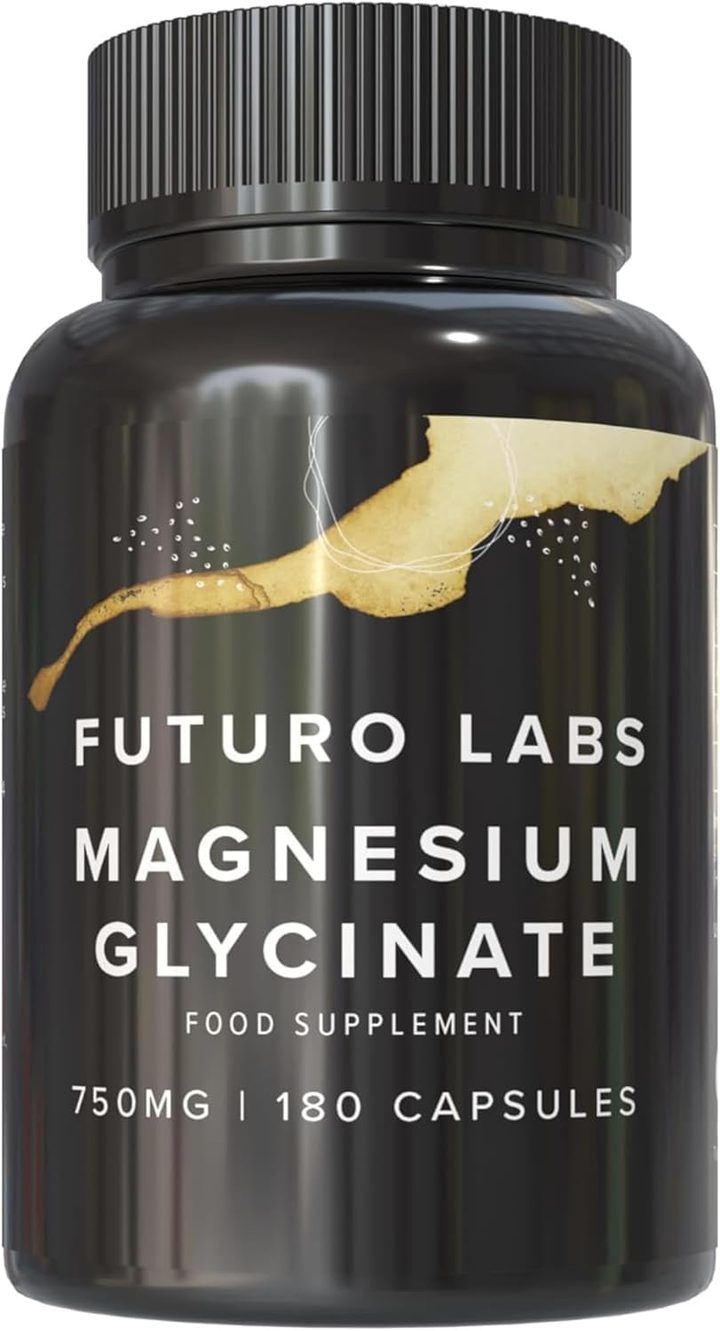
Our brand: the worked example on this page
Futuro Labs Magnesium Glycinate
- 22p a day
- 180 capsules, 2 capsules daily
- Lab tested
- Made in the UK
The cofactor at a replete dose, with the protein-synthesis sentence printed: Futuro Labs Magnesium Glycinate on Amazon UK, bisglycinate, 300mg elemental at 80% NRV, £19.99 for 90 days at 22p. Full label breakdown. The growth dose page is here; the muscle stack on the muscle growth guide.
The biochemistry, because the honest answer lives in what ATP actually is
Does magnesium help build muscle has an honest answer that lives in a piece of biochemistry most supplement pages skip: ATP, the molecule every cell spends to do anything, is biologically active as a magnesium-ATP complex, the magnesium ion bound to the phosphate tail being what enzymes recognise and use, so that every ATP-dependent reaction in the body, and muscle building is a long chain of them, requires magnesium as a cofactor. The contraction that provides the stimulus spends magnesium-ATP at the myosin head and the calcium pumps. The signalling that tells a fibre to grow runs through kinases that phosphorylate their targets with magnesium-ATP. The ribosome that assembles new protein charges each amino acid and moves along the message with magnesium-ATP and magnesium-GTP, and the ribosome itself is held together by magnesium ions. That is what magnesium's authorised claim, a contribution to normal protein synthesis, means when it is read precisely: the machinery cannot run without it, adequate magnesium is a necessary condition for building muscle, and a genuine shortfall could be limiting the machinery in a lifter whose training diet runs light, which repletion removes. It does not mean that more magnesium builds more muscle, any more than more oxygen does: a necessary condition met is met, and surplus beyond adequacy does nothing to a machine that already has what it needs, the cofactor being the oxygen of the process, required by every step and driving none, and the one old trial reporting greater strength gains with magnesium having been in untrained novices whose status was not established and having never been replicated in trained lifters.
The four things building muscle actually requires, the cofactor's place among them, and the question filed
Building muscle requires four things, and magnesium is a cofactor to all of them rather than a fifth. A progressive stimulus: resistance training that increases load, volume or difficulty over time, the signal without which no amount of nutrition builds anything, and the requirement that provides the muscle-function and contraction demand magnesium serves. Protein: around 1.6 grams per kilogram of body weight a day, distributed across meals in leucine-rich doses of 20 to 40 grams that switch muscle protein synthesis on, protein holding the register's only growth claim, a contribution to a growth in muscle mass, and being the material the magnesium-ATP machinery assembles. Energy: sufficient calories, since muscle protein synthesis is expensive and a deficit shrinks the surplus available for building, the cut-versus-bulk audit's point that a deficit also drops the magnesium foods. Recovery: sleep, where the repair and the hormonal environment for growth run, and load management, since a body that never recovers never adapts. The cofactor's place among the four is adequacy: a lifter whose diet supplies the reference intake has the cofactor met and gains nothing from a capsule, and a lifter on a cut or a rice-and-chicken bulk whose diet runs light has a shortfall that may be limiting the machinery the four requirements drive, and closes it at 300mg elemental as bisglycinate with the evening meal, the athletes flagship's audit. The question filed: magnesium helps build muscle as a necessary cofactor in every ATP-dependent step of the machinery, which is what the protein-synthesis claim means, and does not drive growth, which belongs to the stimulus, protein, energy and recovery, the worked example being the cofactor at a replete dose with the sentence printed, £19.99 for 90 days at 22p, and the building done by the four things it serves.
| The requirement | What it does | Magnesium's role in it |
|---|---|---|
| A progressive stimulus | The signal to grow | Contraction and signalling run on magnesium-ATP |
| Protein, ~1.6g per kilogram | The material; the growth claim | The ribosome assembles it with magnesium-ATP and magnesium-GTP |
| Energy | The budget for an expensive process | Every ATP spent is magnesium-ATP |
| Recovery | Sleep and load management | Nervous-system and fatigue sentences by audit |
| The cofactor's place | Adequacy, not surplus | 300mg elemental where a diet runs light |
| The old strength trial | Untrained novices, unreplicated | Not a growth effect |
The verdict, the oxygen of the process
Does magnesium help build muscle: as a necessary cofactor and not as a driver, ATP being active only as a magnesium-ATP complex so that every energy-using step of contraction, signalling and protein synthesis needs magnesium, which is what the protein-synthesis claim means and why a shortfall on a light training diet could limit the machinery, while building muscle itself requires a progressive stimulus, protein, energy and recovery, with surplus magnesium adding nothing to a machine that has what it needs. The cofactor at a replete dose: Futuro Labs Magnesium Glycinate, bisglycinate, 300mg elemental at 80% NRV, £19.99 for 90 days at 22p a day.
What to check on the label
- Read ATP as magnesium-ATP: every step needs the cofactor.
- Read the claim precisely: necessary for protein synthesis, not driving it.
- Meet the four requirements: stimulus, protein, energy, recovery.
- Close a shortfall by audit: 300mg elemental where a diet runs light.
- Expect nothing from surplus: a met condition is met.
Our brand
The worked example: Futuro Labs Magnesium Glycinate
Futuro Labs Magnesium Glycinate is the worked example for magnesium reviews because its label states every number a review needs: 1500mg magnesium bisglycinate at 20%, 300mg elemental, 80% NRV, 2 capsules a day, 180 capsules for £19.99, 22p a day, UK made, vegan HPMC shell, batch tested for lead, mercury, arsenic and cadmium, and only the register's own magnesium claims printed.
- Elemental magnesium per serving
- 300mg (80% NRV)
- Form
- magnesium bisglycinate 20%
- Serving
- 2 capsules a day
- Bottle
- 180 capsules, 90 days
- Price
- £19.99 (22p a day)
- Capsule
- vegetarian shell, vegan product
Questions people also ask
Is magnesium glycinate good for muscle building?
As a cofactor: ATP is active only as magnesium-ATP, so every energy-using step of contraction and protein synthesis needs magnesium, and a lifter whose training diet runs light closes a shortfall at 300mg elemental; it does not drive growth, which belongs to the stimulus, protein, energy and recovery.
What does magnesium do in protein synthesis?
The ribosome that assembles new protein charges amino acids and moves along the message using magnesium-ATP and magnesium-GTP and is itself held together by magnesium ions, which is why the register authorises a contribution to normal protein synthesis as a maintenance claim.
Will taking more magnesium build more muscle?
No: a necessary condition met is met, and surplus beyond adequacy does nothing to machinery that already has its cofactor, the same way more oxygen does not build more muscle; the one old trial reporting greater strength gains was in untrained novices and was never replicated.
What actually builds muscle?
A progressive resistance stimulus, protein at around 1.6g per kilogram in leucine-rich doses across the day, sufficient energy and recovery through sleep and load management, with protein holding the register's only growth claim.
When does magnesium matter for a lifter's gains?
When a diet runs light, on a cut that drops nuts, seeds, wholegrains and legumes or a bulk built on rice, chicken and shakes, where a shortfall could limit the machinery and repletion at 300mg elemental removes the limit.
Sources
- The magnesium and ATP biochemistry: ATP is biologically active as a magnesium-ATP complex, so every ATP-dependent reaction, including the steps of protein synthesis and muscle contraction, requires magnesium as a cofactor, a necessary condition for the machinery rather than a driver of it. PubMed record
- The GB claims register, protein entries: protein contributes to a growth in muscle mass and to the maintenance of muscle mass and of normal bones, authorised for foods that are at least a source of protein. https://www.gov.uk/government/publications/great-britain-nutrition-and-health-claims-nhc-register
- Brilla LR, Haley TF. Effect of magnesium supplementation on strength training in humans. Journal of the American College of Nutrition 1992;11(3):326-329: a small trial in untrained subjects reporting greater strength gains with magnesium, not replicated in trained athletes. PubMed record
- The protein intake and resistance training literature: meta-analyses support intakes around 1.6g per kilogram of body weight daily for maximising resistance-training gains, with diminishing returns above. PubMed record