Ghost Fitness/Magnesium/How much magnesium for muscle growth?
How much magnesium for muscle growth?
The short answer
No growth dose exists because no growth claim does: magnesium contributes to normal protein synthesis and normal muscle function, maintenance sentences, and the one small trial reporting greater strength gains was in untrained subjects and never replicated. Take 300mg elemental by audit.
- The growth claimnone: protein holds it, magnesium does not
- Magnesium's claimsnormal protein synthesis, normal muscle function, energy metabolism, fatigue
- The trialBrilla and Haley 1992: untrained subjects, greater strength gains, not replicated in trained athletes
- The dose300mg elemental by diet audit; growth to protein, training and sleep
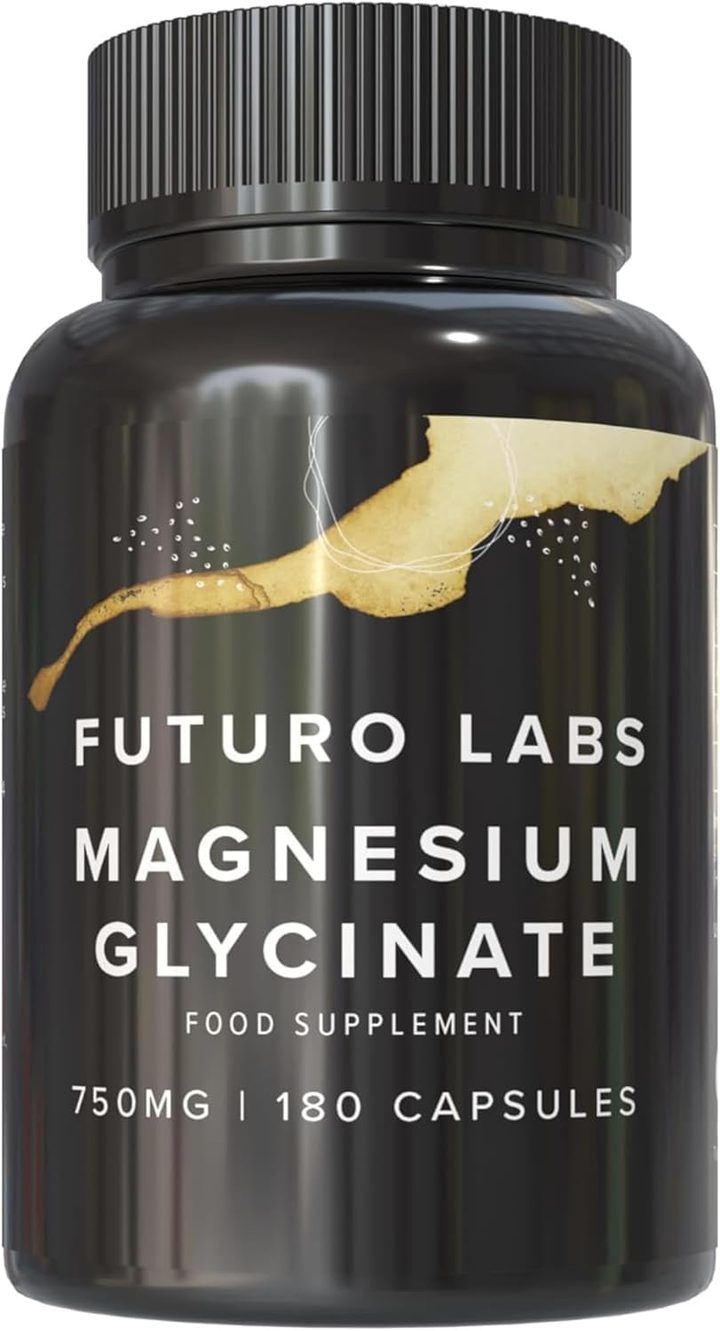
Our brand: the worked example on this page
Futuro Labs Magnesium Glycinate
- 22p a day
- 180 capsules, 2 capsules daily
- Lab tested
- Made in the UK
The protein-synthesis sentence, printed at 80% NRV: Futuro Labs Magnesium Glycinate on Amazon UK, 300mg elemental, normal protein synthesis and muscle function among its claims, £19.99 for 90 days at 22p. Full label breakdown. The muscle repair dose page is here; the muscle stack on the muscle growth guide.
No growth dose because no growth claim, and the sentences magnesium does hold, read precisely
How much magnesium for muscle growth is a dose question whose answer starts at the register, where the growth claim lives and where magnesium does not hold it: protein contributes to a growth in muscle mass, an authorised sentence any protein source at 12% of energy may print, and magnesium's authorised sentences are neighbours to growth without being it, a contribution to normal protein synthesis, to normal muscle function, to normal energy-yielding metabolism and to the reduction of tiredness and fatigue, maintenance claims describing what adequate magnesium supports in a body that is already training and eating for growth. Read precisely, the protein-synthesis sentence means that magnesium is required for the cellular machinery that builds protein to run normally, which it is, as a cofactor in hundreds of enzyme reactions including the ATP-dependent steps of protein synthesis, and does not mean that more magnesium builds more muscle, the difference between a nutrient needed for a process and a nutrient that drives it, so that a lifter whose status is replete gains nothing from a larger dose and a lifter whose training diet runs light has a shortfall that could be limiting the machinery and closes it, the diet audit deciding, as on every dose page here. No growth dose exists, then, because the register assessed none and the physiology supports none, and the honest dose is the one magnesium is taken at for its own sentences, 300mg elemental as bisglycinate, most of the reference value, under the 400mg guidance level, where the audit says so.
The one trial the growth question rests on, graded, and where growth actually comes from
The growth question rests, when it rests on anything, on one small trial from 1992, and grading it is the service this page owes: Brilla and Haley gave magnesium to untrained subjects starting a strength programme, at a dose scaled to body weight and above ordinary supplementation, and reported greater gains in leg strength than placebo over seven weeks, a result in people whose baseline status was not established, whose novice gains were large on any programme, and whose finding has not been replicated in trained athletes, the exercise reviews since finding that magnesium status associates with performance and that supplementation improves performance markers in people with low status and not in those replete, the volleyball trial's jump improvements coming in athletes whose status was measured and marginal. That is a deficiency-repletion pattern and not a growth effect, and it is why the ZMA formula's independent trial found no effect on strength or body composition in trained men, the ZMA-worth page's verdict, the magnesium in it being taken by men who were not short of it. Where growth actually comes from is the muscle-growth guide's claim-holder stack: protein to around 1.6g per kilogram with its authorised growth-in-muscle-mass claim, creatine at 3g with its performance claim, a progressive resistance programme as the stimulus, sleep as the consolidation, and sufficient calories, with magnesium admitted to the stack for its muscle-function and protein-synthesis sentences where an audit finds intake short and never as a growth agent. The dose filed: no growth dose, 300mg elemental by audit for magnesium's own claims, the one trial an untrained-novice study never replicated, and growth belonging to protein, training and sleep, the worked example printing the protein-synthesis sentence at 80% NRV and promising nothing beyond it, £19.99 for 90 days at 22p.
| The item | The finding | The consequence |
|---|---|---|
| The growth claim | Protein's: growth in muscle mass | Magnesium does not hold it |
| Magnesium's claims | Protein synthesis, muscle function, energy metabolism, fatigue | Needed for the process; does not drive it |
| The 1992 trial | Untrained subjects, greater strength gains, a body-weight dose | Not replicated in trained athletes |
| The pattern | Repletion helps low status; nothing for replete | The diet audit decides |
| The ZMA trial | No effect on strength or composition in trained men | Magnesium taken by men not short of it |
| The dose | 300mg elemental by audit | Growth to protein, training, sleep |
The verdict, a cofactor and not a growth agent
How much magnesium for muscle growth: no growth dose, because the growth-in-muscle-mass claim is protein's and magnesium's sentences are normal protein synthesis, muscle function, energy metabolism and fatigue, a cofactor needed for the machinery rather than a driver of it, with the one 1992 trial reporting greater strength gains in untrained subjects never replicated in trained athletes and the exercise literature showing repletion helping low status and nothing for replete, so the dose is 300mg elemental by diet audit and growth belongs to protein, training and sleep. The protein-synthesis sentence printed honestly: Futuro Labs Magnesium Glycinate, 300mg elemental at 80% NRV, £19.99 for 90 days at 22p a day.
What to check on the label
- Find the growth claim where it lives: protein, not magnesium.
- Read protein synthesis precisely: needed for, not driving.
- Grade the 1992 trial: untrained novices, never replicated.
- Dose by audit: 300mg elemental where intake runs short.
- Grow with the claim-holders: protein, creatine, training, sleep.
Our brand
The worked example: Futuro Labs Magnesium Glycinate
Futuro Labs Magnesium Glycinate is the worked example for magnesium reviews because its label states every number a review needs: 1500mg magnesium bisglycinate at 20%, 300mg elemental, 80% NRV, 2 capsules a day, 180 capsules for £19.99, 22p a day, UK made, vegan HPMC shell, batch tested for lead, mercury, arsenic and cadmium, and only the register's own magnesium claims printed.
- Elemental magnesium per serving
- 300mg (80% NRV)
- Form
- magnesium bisglycinate 20%
- Serving
- 2 capsules a day
- Bottle
- 180 capsules, 90 days
- Price
- £19.99 (22p a day)
- Capsule
- vegetarian shell, vegan product
Questions people also ask
Does magnesium help build muscle?
It is needed for the process rather than driving it: magnesium's authorised claims are normal protein synthesis and normal muscle function, a cofactor in the enzyme reactions that build protein, and a lifter whose status is replete gains nothing from more while one whose diet runs light closes a shortfall.
What dose of magnesium is best for muscle growth?
No growth dose exists because no growth claim does; the dose is magnesium's own, 300mg elemental as bisglycinate where a diet audit finds intake short, under the 400mg guidance level.
Is there any study showing magnesium increases strength?
One small 1992 trial in untrained subjects reported greater leg-strength gains with magnesium over seven weeks at a body-weight dose, and it has not been replicated in trained athletes, the later reviews showing repletion helping low status and nothing for replete.
Did the ZMA trials show muscle growth?
The independent ZMA trial in trained men found no effect on strength, body composition or hormones, the magnesium in it being taken by men who were not short of it.
What actually builds muscle?
The claim-holder stack: protein to around 1.6g per kilogram with its authorised growth-in-muscle-mass claim, creatine at 3g, a progressive resistance programme, sleep and sufficient calories, with magnesium admitted by audit for its own sentences.
Sources
- Brilla LR, Haley TF. Effect of magnesium supplementation on strength training in humans. Journal of the American College of Nutrition 1992;11(3):326-329: a small trial in untrained subjects reporting greater strength gains with magnesium, not replicated in trained athletes. PubMed record
- Zhang Y, Xun P, Wang R, Mao L, He K. Can magnesium enhance exercise performance? Nutrients 2017;9(9):946. https://pubmed.ncbi.nlm.nih.gov/28846654/
- The GB claims register, protein entries: protein contributes to a growth in muscle mass and to the maintenance of muscle mass and of normal bones, authorised for foods that are at least a source of protein. https://www.gov.uk/government/publications/great-britain-nutrition-and-health-claims-nhc-register
- Wilborn CD, et al. Effects of zinc magnesium aspartate (ZMA) supplementation on training adaptations and markers of anabolism and catabolism. Journal of the International Society of Sports Nutrition 2004;1(2):12-20. PubMed record