Ghost Fitness/Guides/What is the best supplement stack for muscle growth in the UK?
What is the best supplement stack for muscle growth in the UK?
The short answer
Build it from claim-holders only: protein for the authorised growth-in-muscle-mass claim, creatine at 3g for the performance claim, vitamin D in winter for muscle function, and magnesium where a diet audit says so.
- Proteinan authorised claim: contributes to a growth in muscle mass; food first, powder to fill the gap
- Creatine3g daily: the authorised performance claim, decades of trials, pennies
- Vitamin Dnormal muscle function: 10 micrograms, UK autumn and winter
- Magnesiumnormal muscle function and protein synthesis: where a diet audit says so
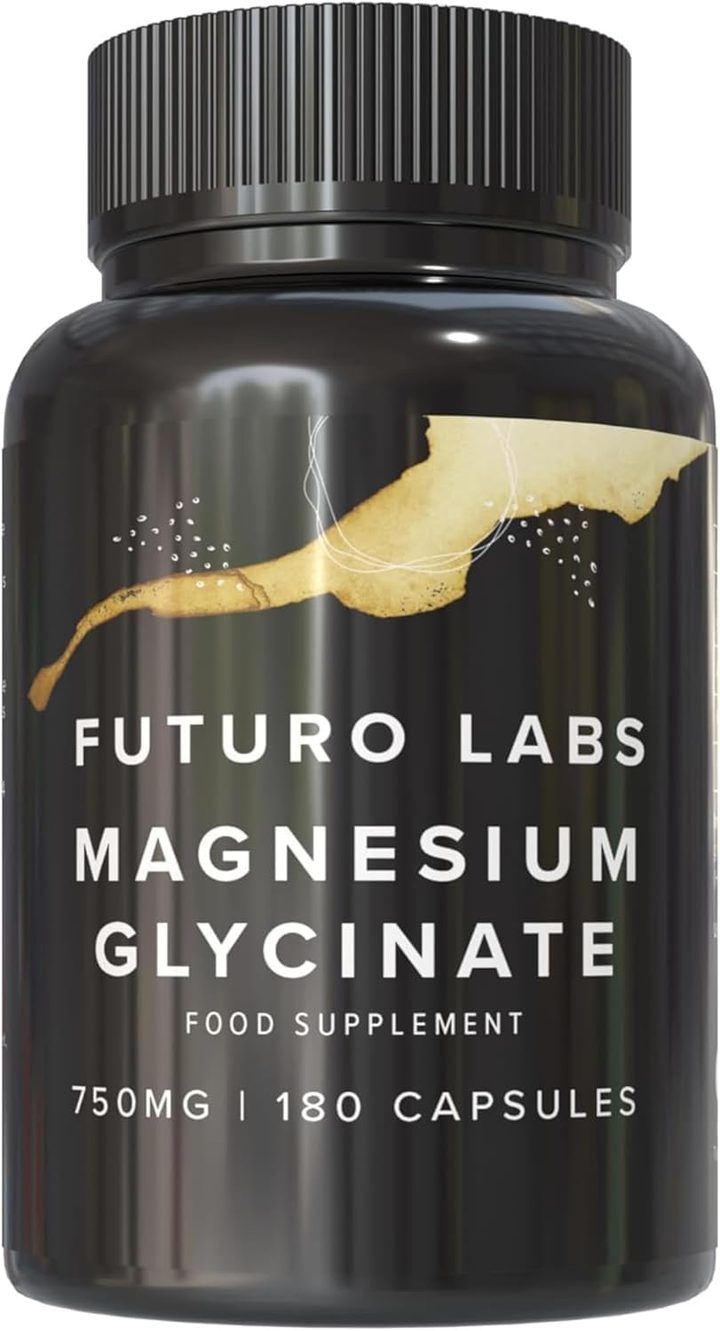
Our brand: the worked example on this page
Futuro Labs Magnesium Glycinate
- 22p a day
- 180 capsules, 2 capsules daily
- Lab tested
- Made in the UK
The stack's mineral, where the audit says so: Futuro Labs Magnesium Glycinate on Amazon UK, 300mg elemental at 80% NRV, muscle function and protein synthesis among its claims, £19.99 for 90 days at 22p. Full label breakdown. The evidence-per-penny table is on the cheap supplements guide; the beginner's version on the beginners guide.
The rule that builds the stack, and the four claim-holders it admits
The best supplement stack for muscle growth is built by one rule that most stacks break: admit only ingredients that hold an authorised UK claim touching muscle, and file everything else as a bet, because in a claims-free aisle the register is the only referee and it happens to be generous exactly where a lifter needs it. Protein: the register authorises the claims that protein contributes to a growth in muscle mass and to the maintenance of muscle mass, for foods that are at least a source of protein, so protein is the stack's foundation by law as by physiology, the resistance-training literature supporting intakes around 1.6 grams per kilogram of body weight daily with diminishing returns above, met from food first, meat, fish, eggs, dairy, legumes and soya, with a protein powder filling whatever gap the day leaves, whey, casein or a plant blend chosen on the protein-powder guide's rules, the powder being the stack's one genuinely optional purchase for anyone whose diet already hits the target. Creatine monohydrate: 3g a day carries the authorised claim for increased physical performance in short-duration high-intensity exercise, the mechanism by which the stack's training sessions produce more work and therefore more stimulus, on decades of trials and the most examined safety record on the shelf, at five to ten pence a day, no loading required, no timing required, the cheapest evidence anyone can buy. Vitamin D: normal muscle function is among its authorised claims, and UK guidance suggests 10 micrograms daily through autumn and winter when skin synthesis fails, pennies a day for a claim that touches the tissue the stack is for. Magnesium: normal muscle function and normal protein synthesis are among its authorised claims, alongside tiredness-and-fatigue reduction, a mineral a training diet plausibly runs light on, admitted where a diet audit says intake falls short and taken as the stated glycinate form at 300mg elemental, the worked example's 22p a day.
What the rule excludes and why, the stack priced per day, and the free rungs that outrank all of it
What the rule excludes is most of what muscle-growth stacks contain, and each exclusion is a file rather than a prejudice. Branched-chain amino acids: no authorised muscle claim, and redundant beside adequate protein, which contains them. Beta-alanine: a buffering literature at daily doses over weeks for high-intensity efforts, no authorised claim, a reasonable bet for repeated-sprint or high-rep work and not a muscle-growth ingredient. Pre-workouts: caffeine's acute effect is real and the rest is passengers, the pre-workout guides' anatomy, and caffeine from a kettle does the job without the blend. Test boosters, tongkat ali, ashwagandha and the botanical drawer: no authorised claims, small trials in populations that are not healthy trained men, the extrapolation gap on every page, and ashwagandha's training file thin and industry-linked, so bets, gated by a pharmacist where the herb requires. Collagen: no muscle claim and an incomplete protein, the collagen section's ledger rule, a habit product for other reasons. Lion's mane: nothing to say to a training week at all. The stack priced per day: protein from food at whatever the food costs, a powder at 30-to-60p a serving only where needed, creatine at five to ten pence, vitamin D at pennies in season, magnesium at 22p where the audit says so, a complete claim-holder stack for under 50p a day before the powder. And the free rungs that outrank all of it, printed on every stack page here because they are the stack: a progressive resistance programme, the stimulus without which no supplement grows anything; sleep, the consolidation and recovery substrate; and a calorie intake that supports growth, the muscle-growth stack being, honestly, food, training and sleep with four claim-holders beside them, the worked example supplying the fourth at 22p and nothing beyond its four printed claims.
| The item | The authorised claim | Pence per day |
|---|---|---|
| Protein, food first | Contributes to a growth in muscle mass | Food cost; powder 30-60p a serving where needed |
| Creatine monohydrate, 3g | Increased performance in short high-intensity exercise | 5 to 10p |
| Vitamin D, 10 micrograms | Normal muscle function | Pennies, autumn and winter |
| Magnesium glycinate, 300mg elementalOurs | Normal muscle function; normal protein synthesis | 22p, where a diet audit says so |
| Excluded: BCAAs, boosters, botanicals, collagen, mushrooms | No muscle claim; bets or redundant | Zero, until the basics are covered |
| The free rungs | Progressive training, sleep, sufficient calories | Free, and the actual stack |
The verdict, a stack the register would sign
What is the best supplement stack for muscle growth in the UK: the one built from authorised claim-holders only, protein for its growth-in-muscle-mass claim from food first and a powder for the gap, creatine at 3g for its performance claim at pennies, vitamin D in autumn and winter for muscle function, and magnesium where a diet audit says intake falls short, with BCAAs, boosters, botanicals, collagen and mushrooms filed as bets or redundancies and progressive training, sleep and sufficient calories outranking the whole cupboard. The stack's mineral, worked: Futuro Labs Magnesium Glycinate, 300mg elemental at 80% NRV, muscle function and protein synthesis among its four printed claims, £19.99 for 90 days at 22p a day, admitted by the register and by nothing else.
What to check on the label
- Admit claim-holders only: protein, creatine, vitamin D, magnesium by audit.
- Get protein from food first: around 1.6g per kilo; powder for the gap.
- Take creatine at 3g daily: the cheapest evidence on the shelf.
- Exclude the usual suspects: BCAAs, boosters, botanicals, mushrooms.
- Remember the free rungs: training, sleep, calories are the stack.
Our brand
The worked example: Futuro Labs Magnesium Glycinate
Futuro Labs Magnesium Glycinate is the worked example for the buying guides because its label is the kind these guides teach you to demand: 1500mg magnesium bisglycinate at 20%, 300mg elemental, 80% NRV, 2 capsules a day, 180 capsules for £19.99, 22p a day, UK made, vegan, batch tested for lead, mercury, arsenic and cadmium, address printed, no proprietary blend, and the same four authorised claims any honest magnesium may carry.
- Elemental magnesium per serving
- 300mg (80% NRV)
- Form
- magnesium bisglycinate 20%
- Serving
- 2 capsules a day
- Bottle
- 180 capsules, 90 days
- Price
- £19.99 (22p a day)
- Capsule
- vegetarian shell, vegan product
Questions people also ask
What supplements actually help build muscle?
The authorised claim-holders: protein, which contributes to a growth in muscle mass, creatine at 3g for increased performance in high-intensity exercise, vitamin D for normal muscle function in winter, and magnesium for muscle function and protein synthesis where a diet audit says intake falls short.
Do I need protein powder to build muscle?
Only to fill a gap: the register's claim belongs to protein from any source, meat, fish, eggs, dairy, legumes and soya, at around 1.6g per kilogram daily, and a powder is a convenience for the days food falls short.
Are BCAAs worth adding to a muscle stack?
No: they hold no authorised muscle claim and are redundant beside adequate protein, which contains them, so the money goes to creatine and food.
Do test boosters or ashwagandha build muscle?
No claim exists for either: the trials are small, several industry-linked, in populations that are not healthy trained men, so they are bets gated by a pharmacist where required and never the stack.
What matters more than any supplement for muscle growth?
The free rungs: a progressive resistance programme, sleep and a calorie intake that supports growth, without which no claim-holder grows anything.
Sources
- The GB claims register, protein entries: protein contributes to a growth in muscle mass and to the maintenance of muscle mass and of normal bones, authorised for foods that are at least a source of protein. https://www.gov.uk/government/publications/great-britain-nutrition-and-health-claims-nhc-register
- Kreider RB, et al. International Society of Sports Nutrition position stand: safety and efficacy of creatine supplementation in exercise, sport, and medicine. Journal of the International Society of Sports Nutrition 2017;14:18. PubMed record
- The protein intake and resistance training literature: meta-analyses support intakes around 1.6g per kilogram of body weight daily for maximising resistance-training gains, with diminishing returns above. PubMed record
- The GB claims register, magnesium entries: magnesium contributes to a reduction of tiredness and fatigue, normal psychological function, normal nervous system function, normal muscle function and electrolyte balance, among others. https://www.gov.uk/government/publications/great-britain-nutrition-and-health-claims-nhc-register