Ghost Fitness/Guides/What is the best supplement stack for powerlifting in the UK?
What is the best supplement stack for powerlifting in the UK?
The short answer
Split it by day: training blocks run creatine at 3g, protein to target and sleep; meet day adds caffeine as the one evidenced acute strength aid; tendon rehab adds the collagen protocol. Tested federations mean certified everything.
- The training blockcreatine 3g daily, protein to ~1.6g/kg, sleep: the base
- Meet daycaffeine, the one evidenced acute strength and power aid, dosed per the literature's range
- The tendon lanethe collagen pre-loading protocol, stop-two, inside physio-framed rehab
- The federation questiontested federations: certified everything, batch-matched
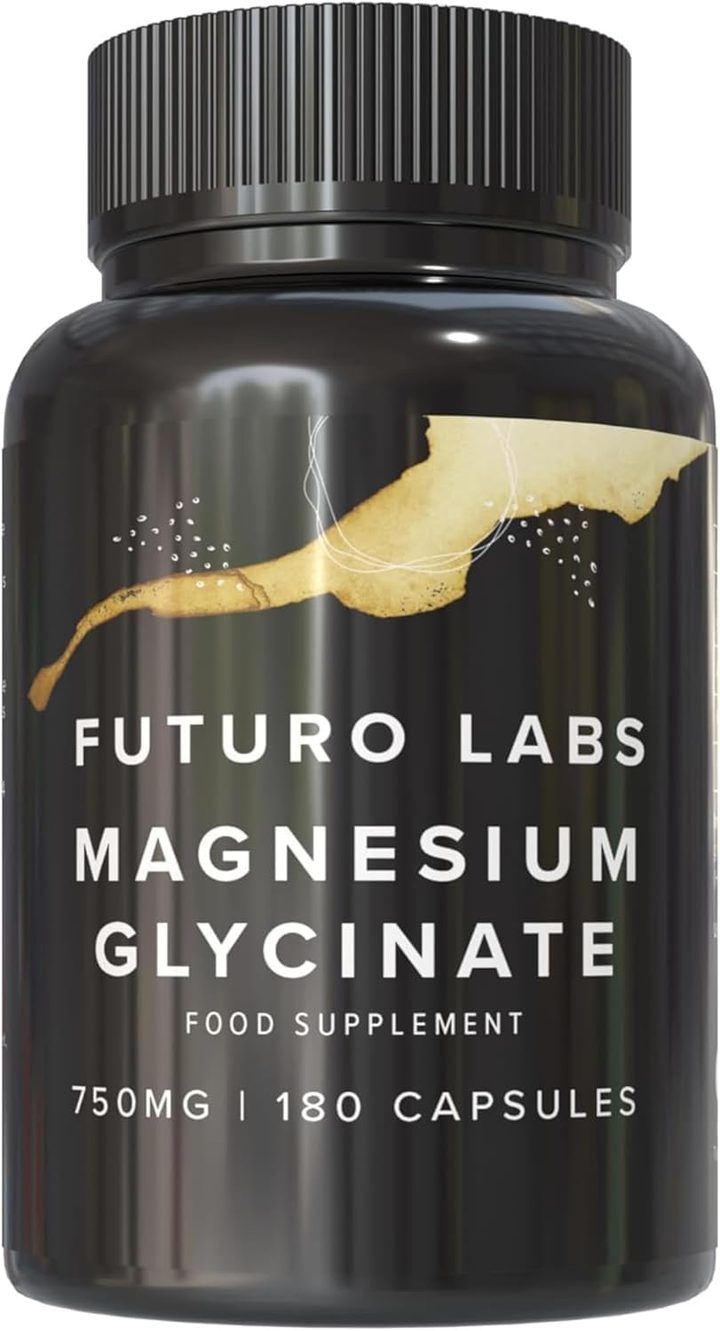
Our brand: the worked example on this page
Futuro Labs Magnesium Glycinate
- 22p a day
- 180 capsules, 2 capsules daily
- Lab tested
- Made in the UK
The training-block mineral, by audit: Futuro Labs Magnesium Glycinate on Amazon UK, 300mg elemental at 80% NRV, muscle function among its claims, no sports certification, £19.99 for 90 days at 22p. Full label breakdown. The muscle claim-holders are on the muscle growth guide; the tendon protocol on the 60-minute collagen page.
The training block, where the stack is the muscle stack with the volume turned down, and meet day, where one aid earns its place
A powerlifting stack differs from a general muscle stack less than the marketing suggests, and the honest way to build it is by day, because a training block and a meet day want different things. The training block: creatine monohydrate at 3g daily, the authorised claim for increased performance in short-duration high-intensity exercise fitting powerlifting's low-rep, high-force work better than any other sport's, on decades of trials, pennies, no loading and no timing; protein to around 1.6 grams per kilogram from food with a powder for the gap, on the authorised muscle-mass claims; sleep, the recovery substrate for the heaviest training there is; and, by diet audit, magnesium glycinate at 300mg elemental for its muscle-function and fatigue claims where a training diet runs light, and vitamin D in the UK's autumn and winter for its muscle and bone claims, the block's stack being the muscle guide's claim-holders with the volume turned down and the intensity up, and beta-alanine, an aid for repeated high-intensity efforts, being honestly less relevant to singles and triples than to a crossfit session. Meet day: caffeine is the one supplement with an evidenced acute effect on maximal strength and power, meta-analyses reporting small but consistent improvements at doses in the range the literature studied, typically three to six milligrams per kilogram taken an hour or so before lifting, with individual response varying and the higher end of the range costing sleep and composure, so the honest instruction is to trial the dose in training before ever using it at a meet, to prefer the lower end, and to take it as caffeine, a tablet or a measured coffee, rather than as a pre-workout whose other passengers add nothing and whose stimulant dose is unknown.
The tendon lane, the weight-class note, and the federation question that decides everything else
The tendon lane is the one place the collagen section enters a strength stack, and it enters honestly: for the powerlifter rehabbing a tendon, patellar, triceps, pec, under a physiotherapist's progressive loading programme, the pre-loading protocol, roughly 15g of gelatine or hydrolysed collagen with vitamin C about an hour before the loading session, is a stop-two adjunct, synthesis markers moved in blood and bench models, patient outcomes unproven, an optional addition beside the programme that does the demonstrated work, never a lane for healthy tendons and never a substitute for the physio. The weight-class note belongs to food rather than tubs: making weight is a deficit, water and timing question that a coach and a dietitian answer, and the supplement aisle's fat burners and water-cutting products are the anti-stack, no claims, adulteration risk and a strict-liability trap for the tested lifter. The federation question decides everything else: powerlifting has drug-tested federations, where anti-doping testing applies and strict liability with it, and untested ones, which are not this site's business either way, and a lifter competing in a tested federation takes only certified products, every item in the stack above from a certified line, batch-matched on the programme's database, the certification premium being non-negotiable for them and the database being where they build the stack, this site's own worked examples, metals-tested and uncertified, being for the untested lifter and disclosed as such. The stack filed: creatine, protein, sleep and audited minerals in the block, caffeine trialled and dosed on meet day, the collagen protocol inside tendon rehab only, food and a coach for the weigh-in, and, in a tested federation, all of it certified.
| The day | The item | The evidence |
|---|---|---|
| Training block | Creatine 3g; protein to ~1.6g/kg; sleep | Authorised claims; the recovery substrate |
| Training block, by audit | Magnesium glycinate; vitamin D in winter | Muscle-function and bone claims where diet or season says so |
| Meet day | Caffeine, 3 to 6mg/kg, trialled in training first | Meta-analyses: small consistent strength and power gains |
| Tendon rehab | The collagen pre-loading protocol, inside physio-framed loading | Stop-two: markers moved, outcomes unproven |
| The weigh-in | Food, water, timing, a coach | Fat burners and water-cutting products are the anti-stack |
| Tested federation | Everything certified, batch-matched | Strict liability |
The verdict, split by day and decided by federation
What is the best supplement stack for powerlifting in the UK: the training block runs creatine at 3g, protein to target, sleep and audited magnesium and seasonal vitamin D, meet day adds caffeine as the one evidenced acute strength aid trialled in training and dosed at the lower end of the literature's range, tendon rehab adds the collagen protocol as a stop-two adjunct inside a physio's programme, the weigh-in belongs to food and a coach, and a tested federation means every item certified and batch-matched. The block's mineral, by audit and for the untested lifter: Futuro Labs Magnesium Glycinate, 300mg elemental at 80% NRV, muscle function among its claims, no sports certification, £19.99 for 90 days at 22p a day, disclosed so the tested lifter builds the same stack from the database instead.
What to check on the label
- Build the block from claim-holders: creatine, protein, sleep, audited minerals.
- Trial caffeine in training first: lower end of 3 to 6mg/kg, as caffeine not a blend.
- Keep the collagen protocol for rehab: inside a physio's programme only.
- Make weight with food and a coach: burners and cutters are the anti-stack.
- Ask which federation: tested means certified everything.
Our brand
The worked example: Futuro Labs Magnesium Glycinate
Futuro Labs Magnesium Glycinate is the worked example for the buying guides because its label is the kind these guides teach you to demand: 1500mg magnesium bisglycinate at 20%, 300mg elemental, 80% NRV, 2 capsules a day, 180 capsules for £19.99, 22p a day, UK made, vegan, batch tested for lead, mercury, arsenic and cadmium, address printed, no proprietary blend, and the same four authorised claims any honest magnesium may carry.
- Elemental magnesium per serving
- 300mg (80% NRV)
- Form
- magnesium bisglycinate 20%
- Serving
- 2 capsules a day
- Bottle
- 180 capsules, 90 days
- Price
- £19.99 (22p a day)
- Capsule
- vegetarian shell, vegan product
Questions people also ask
What supplements actually help powerlifting?
Creatine at 3g for its authorised high-intensity performance claim, protein to target for muscle mass, sleep as the recovery substrate, and on meet day caffeine, the one supplement with an evidenced acute effect on maximal strength and power.
How should a powerlifter use caffeine for a meet?
Trial it in training first, prefer the lower end of the literature's 3 to 6mg per kilogram range taken about an hour before lifting, and take it as caffeine rather than a pre-workout whose stimulant dose is unknown and whose passengers add nothing.
Does collagen belong in a powerlifting stack?
Only in tendon rehab: the pre-loading protocol of roughly 15g with vitamin C an hour before physio-programmed loading is a stop-two adjunct, markers moved and outcomes unproven, never a lane for healthy tendons.
What about supplements for making weight?
None: making weight is a food, water and timing question for a coach and dietitian, and fat burners and water-cutting products hold no claims, carry adulteration risk and are a strict-liability trap for tested lifters.
Do powerlifters need Informed Sport certified supplements?
In a tested federation, yes on everything, batch-matched on the database under strict liability; in an untested one, the metals-tested uncertified products this site prices suit the lifter who faces no test.
Sources
- The caffeine and strength literature: meta-analyses report small but consistent improvements in maximal strength and power after caffeine doses in the range studied, typically 3 to 6mg per kilogram, with individual response varying. PubMed record
- Kreider RB, et al. International Society of Sports Nutrition position stand: safety and efficacy of creatine supplementation in exercise, sport, and medicine. Journal of the International Society of Sports Nutrition 2017;14:18. PubMed record
- The gelatin and vitamin C pre-exercise research (Shaw, Baar and colleagues): 15g gelatin with vitamin C taken about an hour before loading, studied for markers of collagen synthesis, the protocol behind the tendon-training conversation. PubMed record
- The World Anti-Doping Code and the strict liability principle: athletes are responsible for any prohibited substance found in their sample regardless of intent, with contaminated supplements a documented source of positive tests. https://www.wada-ama.org/en/prohibited-list