Ghost Fitness/Guides/What supplement stack should I take?
What supplement stack should I take?
The short answer
Answer four questions first: your goal, your diet, your training age and whether you are drug tested. Then the tree is short: food protein and creatine for nearly everyone, vitamin D in winter, magnesium or omega-3 by diet audit.
- Question onethe goal: muscle, performance, health maintenance, or a research bet
- Question twothe diet: what it already covers, and what an audit says it lacks
- Question threetraining age: a beginner's stack is smaller than a veteran's
- Question fourdrug tested: certified products for everything, if yes
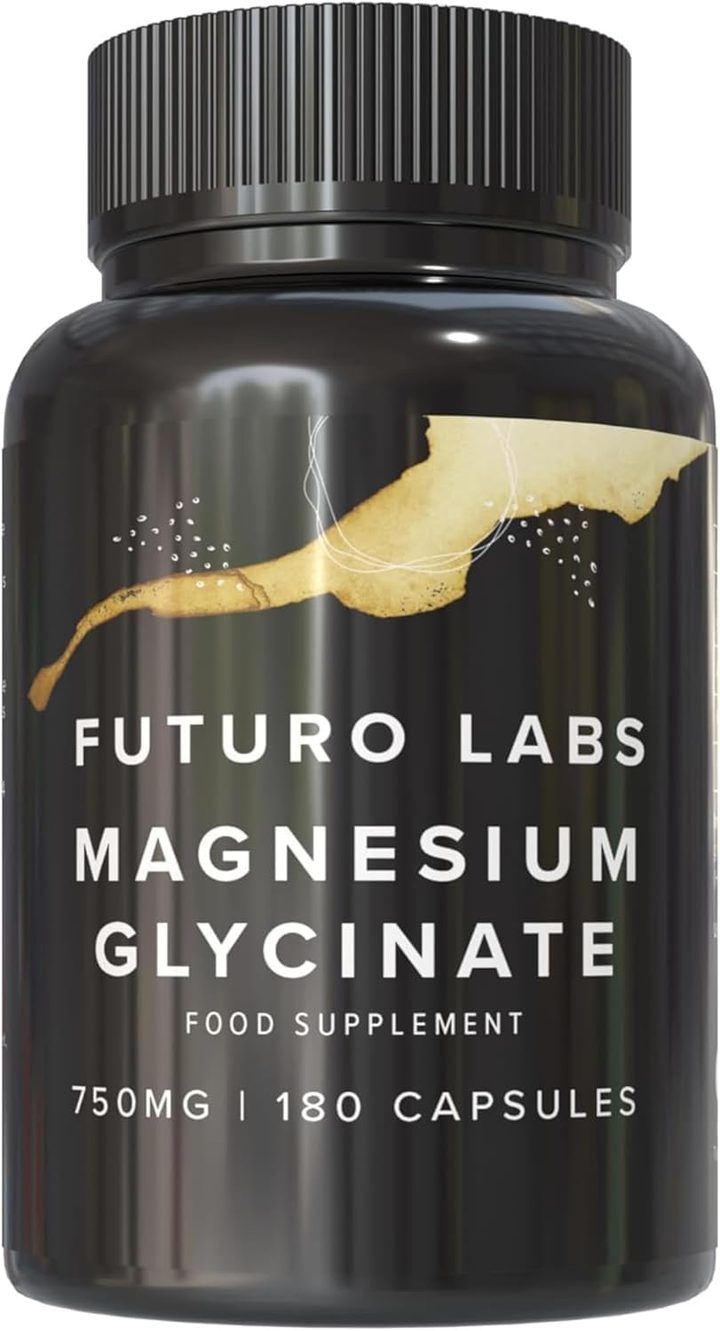
Our brand: the worked example on this page
Futuro Labs Magnesium Glycinate
- 22p a day
- 180 capsules, 2 capsules daily
- Lab tested
- Made in the UK
A branch of the tree, where the diet audit points: Futuro Labs Magnesium Glycinate on Amazon UK, 300mg elemental at 80% NRV with four printed claims, £19.99 for 90 days at 22p. Full label breakdown. The muscle stack is on the muscle growth guide; the beginner's stack on the beginners guide.
The four questions that turn a personal question into an answerable one
What supplement stack should I take is a personal question, and this site cannot know the person, so it turns the question into four the reader answers for themselves, after which the tree is short. Question one, the goal: muscle growth, where the claim-holder stack applies; training performance, where creatine and caffeine do the evidenced work; general health maintenance, where the register's nutrients matter only where intake falls short; or a research bet on cognition, stress or joints, where the botanical and fungal drawer lives and where expectations are flat by rule, a goal that decides which section of this site the stack comes from. Question two, the diet, because most supplement decisions are diet decisions in disguise: a reader eating fish twice a week, dairy, leafy greens, nuts and legumes has covered omega-3, magnesium and most of the register from food, while a reader on a vegan diet needs B12 and may need iron, iodine, vitamin D and omega-3 from algae, and a reader eating little oily fish has the one gap DHA's claim fills, the diet audit being the honest word for the process, ideally with a GP blood test for B12, iron and vitamin D where symptoms or the diet suggest a shortfall, since register nutrients work where deficient and add nothing where replete. Question three, training age: a beginner gains from the programme itself faster than from anything swallowed, the beginners guide's whole point, and a veteran with years of progression may sensibly add the marginal aids a beginner should not yet buy. Question four, drug testing: an athlete subject to anti-doping testing takes only certified products, for everything, strict liability making the question the first rather than the fourth for that reader.
The tree itself, short by design, and the stack that is mostly food and sleep
With the four questions answered, the tree has few branches. For nearly everyone who lifts: protein to around 1.6 grams per kilogram from food first, powder for the gap, on the authorised muscle-mass claim; creatine monohydrate at 3g daily for its authorised performance claim, five to ten pence; and sleep, training and sufficient food, the free rungs that are the stack. Seasonal for everyone in the UK: vitamin D at 10 micrograms through autumn and winter, pennies, on its muscle, bone and immune claims. By diet audit: magnesium glycinate at 300mg elemental where intake runs light, the worked example's 22p, on its fatigue, psychological, nervous-system and muscle claims; omega-3 for DHA's brain claim and EPA and DHA's heart claim where oily fish is rare; B12 for the plant-based, and iron only by blood test. By goal, and only after the branches above: the research bets, lion's mane at 13p for cognition and stress on two small studies, collagen's habit lane or the pre-loading protocol for the tendon-rehabbing lifter, ashwagandha behind its pharmacist gate for stress, each bought with flat expectations and none before the basics. By training age: beginners stop at protein, creatine, sleep and vitamin D; veterans may add caffeine timed early and beta-alanine for high-rep work as evidenced marginal aids. By drug testing: every product above from a certified line, the programme database consulted per product. What the tree never contains: proprietary blends, test boosters, fat burners, BCAAs beside adequate protein, and pre-workouts bought for anything but their caffeine, the forensics pages' standing exclusions. The stack that results is, honestly, mostly food and sleep with two or three claim-holders beside them, priced at under 50p a day before any powder, and the worked example is one branch of it, taken where the audit points and skipped where it does not.
| The branch | The stack | The reason |
|---|---|---|
| Nearly everyone who lifts | Food protein to ~1.6g/kg; creatine 3g; sleep and training | Authorised claims; the free rungs are the stack |
| Everyone in the UK, seasonally | Vitamin D, 10 micrograms, autumn and winter | Skin synthesis fails; authorised claims |
| By diet auditOurs | Magnesium glycinate; omega-3; B12 for the plant-based; iron by bloods | Register nutrients work where deficient only |
| By goal, after the basics | Lion's mane, collagen, ashwagandha as flat-expectation bets | No claims; two small studies; pharmacist gates |
| By training age | Beginners stop at the basics; veterans add caffeine and beta-alanine | The programme outpaces the cupboard for years |
| By drug testing | Certified products for everything | Strict liability |
The verdict, a short tree and a small stack
What supplement stack should I take: answer the goal, the diet, the training age and the drug-testing question first, and then follow a short tree, food protein and creatine for nearly everyone who lifts, vitamin D in the UK's autumn and winter, magnesium or omega-3 or B12 where a diet audit or a blood test says so, the research bets only after the basics and with flat expectations, beginners stopping early, veterans adding evidenced marginal aids, and drug-tested athletes taking only certified lines, a stack that is mostly food and sleep with a few claim-holders beside them. One branch, worked: Futuro Labs Magnesium Glycinate, 300mg elemental at 80% NRV with four printed claims, £19.99 for 90 days at 22p a day, taken where the audit points and, honestly, skipped where it does not.
What to check on the label
- Answer the four questions first: goal, diet, training age, drug testing.
- Start where nearly everyone starts: food protein, creatine, sleep.
- Add by season and by audit: vitamin D in winter; magnesium, omega-3, B12 where short.
- Bet last and flat: the botanical drawer after the basics.
- Certify if tested: strict liability makes it the first question.
Our brand
The worked example: Futuro Labs Magnesium Glycinate
Futuro Labs Magnesium Glycinate is the worked example for the buying guides because its label is the kind these guides teach you to demand: 1500mg magnesium bisglycinate at 20%, 300mg elemental, 80% NRV, 2 capsules a day, 180 capsules for £19.99, 22p a day, UK made, vegan, batch tested for lead, mercury, arsenic and cadmium, address printed, no proprietary blend, and the same four authorised claims any honest magnesium may carry.
- Elemental magnesium per serving
- 300mg (80% NRV)
- Form
- magnesium bisglycinate 20%
- Serving
- 2 capsules a day
- Bottle
- 180 capsules, 90 days
- Price
- £19.99 (22p a day)
- Capsule
- vegetarian shell, vegan product
Questions people also ask
What is the best basic supplement stack for someone who lifts?
Food protein to around 1.6g per kilogram with powder for the gap, creatine monohydrate at 3g daily, vitamin D at 10 micrograms in autumn and winter, and sleep, training and sufficient food as the stack's actual foundation.
How do I know which supplements my diet needs?
A diet audit, and where symptoms or the diet suggest a shortfall, a GP blood test for B12, iron and vitamin D: register nutrients work where intake is deficient and add nothing where replete.
Should beginners take a supplement stack?
A small one: protein, creatine, sleep and vitamin D, because the programme itself produces gains faster than anything swallowed for years, and pre-workouts, BCAAs, fat burners and boosters are the beginner's mistakes.
When do lion's mane, collagen or ashwagandha belong in a stack?
After the basics and by goal: flat-expectation research bets on thin files, lion's mane at 13p for cognition and stress, collagen for its habit lane or the tendon protocol, ashwagandha behind a pharmacist gate for stress.
What if I'm drug tested?
Then certification is the first question: every product in the stack from a certified line, checked on the programme's database per product, because strict liability accepts no label as a defence.
Sources
- The protein intake and resistance training literature: meta-analyses support intakes around 1.6g per kilogram of body weight daily for maximising resistance-training gains, with diminishing returns above. PubMed record
- Kreider RB, et al. International Society of Sports Nutrition position stand: safety and efficacy of creatine supplementation in exercise, sport, and medicine. Journal of the International Society of Sports Nutrition 2017;14:18. PubMed record
- The GB claims register, vitamin D entries: vitamin D contributes to normal bones, teeth, muscle function, immune function and calcium absorption, with UK guidance suggesting 10 micrograms daily in autumn and winter. https://www.gov.uk/government/publications/great-britain-nutrition-and-health-claims-nhc-register
- The World Anti-Doping Code and the strict liability principle: athletes are responsible for any prohibited substance found in their sample regardless of intent, with contaminated supplements a documented source of positive tests. https://www.wada-ama.org/en/prohibited-list