Ghost Fitness/Guides/Is GMP certified the same as third party tested?
Is GMP certified the same as third party tested?
The short answer
No: GMP is the manufacturer checking its own process, and third-party testing is an outside laboratory measuring the finished product. Different party, different object, different document. A good product has both; neither replaces the other.
- Who performs itGMP: the manufacturer; third-party testing: an independent accredited lab
- What it examinesGMP: the process and facility; testing: a sample of the finished batch
- The documentGMP: an audited standard certificate for the site; testing: a certificate of analysis for the batch
- What it provesGMP: the product was made under control; testing: the batch contains what it says, cleanly
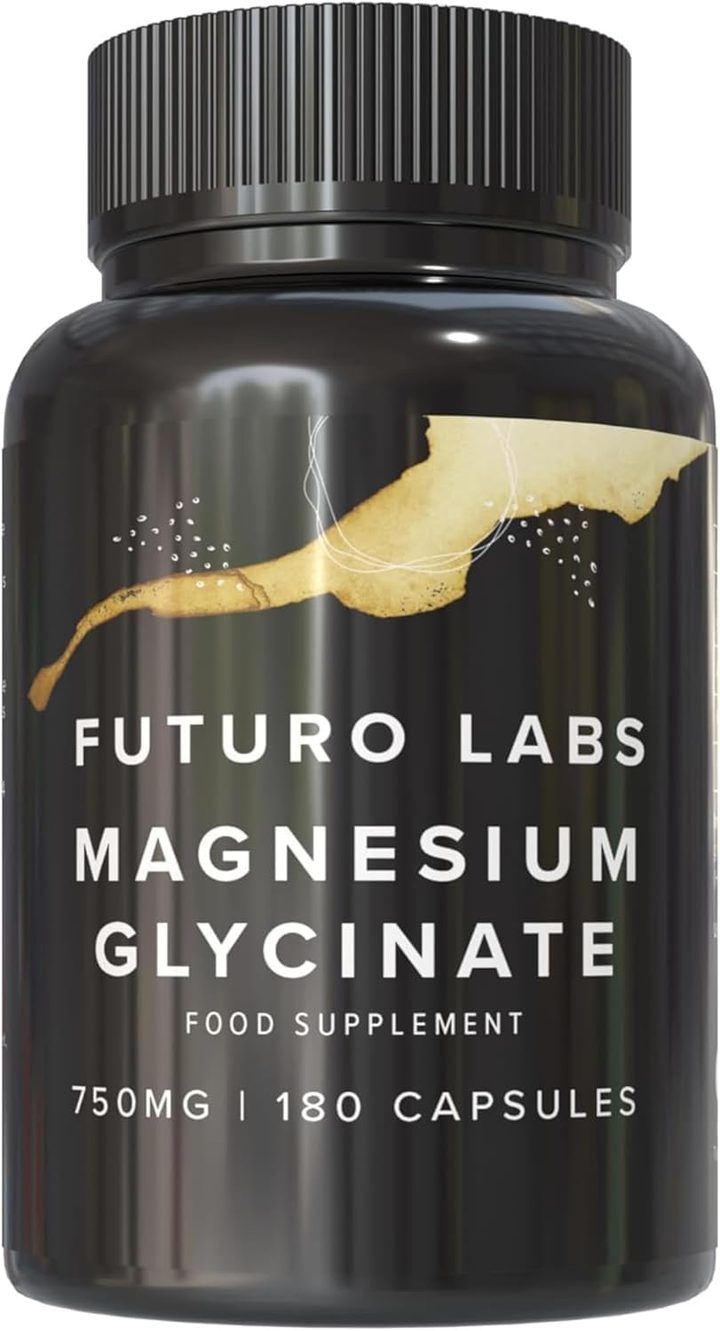
Our brand: the worked example on this page
Futuro Labs Magnesium Glycinate
- 22p a day
- 180 capsules, 2 capsules daily
- Lab tested
- Made in the UK
Both, stated separately: Futuro Labs Magnesium Glycinate on Amazon UK, UK made under GMP, independently batch tested for lead, mercury, arsenic and cadmium, £19.99 for 90 days at 22p. Full label breakdown. The system inside GMP is on the GMP meaning guide; the phrase parsed on the third-party guide.
Seven dimensions side by side, because the two phrases share a shelf and nothing else
GMP certified and third-party tested share a label and share nothing else, and the cleanest way to show they are not the same is to run them side by side on seven dimensions. Who performs it: GMP is the manufacturer's own system, run by the facility that makes the product and audited, where a certification is held, by a food-safety certification body; third-party testing is performed by an independent accredited laboratory that neither makes nor sells the product. What it examines: GMP examines the process and the facility, the personnel, premises, equipment, procedures, in-house checks and records; third-party testing examines a physical sample of a finished batch. What it measures: GMP measures conformity to procedures, whether the steps were followed and documented; testing measures analytes, lead in milligrams per kilogram, elemental magnesium per capsule, a prohibited substance present or absent. When it happens: GMP is continuous, every run, every day the facility operates; testing is per batch, a sample drawn and analysed after production. The document: GMP produces batch records inside the facility and, at best, a site certificate against BRCGS or ISO 22000 held by the manufacturer; testing produces a certificate of analysis for the batch, naming the lab, the batch, the analytes and the values. How a buyer verifies it: GMP through the certification body's directory of certificated sites; testing through the certificate requested from the brand with the four questions. What it proves: GMP proves the product was made under a controlled, documented system; testing proves the batch contains what it says and not what it should not. Seven dimensions, seven differences, and the only thing the two share is that both are things an honest brand states.
Why a good product has both, what each is worth without the other, and the honest label
A good product has both because each covers what the other cannot. GMP without independent testing is a facility checking itself, necessary and first-party, so that a systematic error, a mislabelled ingredient drum, a contaminated raw material, a calibration drift, can pass through a perfectly followed procedure and reach a bottle with every box ticked, the outside laboratory being the check that does not share the facility's assumptions. Independent testing without GMP is a snapshot of one batch from a process nobody controlled, so that the next batch, made without procedures, records or in-process checks, may bear no relation to the tested one, the facility's system being the reason the tested batch is representative of the run. Together they answer two different questions, was it made properly and is what was made correct, and a brand that states both has answered both, while a brand that states one and lets a buyer hear the other has answered one and implied two, the GMP-tested guide's whole warning. The honest label states them as separate claims in separate places, manufactured under GMP as the process claim and independently batch tested for named analytes as the testing claim, with any banned-substance certification as a third, which is how the worked example reads, UK made under GMP and independently batch tested for lead, mercury, arsenic and cadmium, two claims, two documents, two verifications, and no sports certification claimed because none is held.
| The dimension | GMP certified | Third-party tested |
|---|---|---|
| Who performs it | The manufacturer; audited by a certification body | An independent accredited laboratory |
| What it examines | The process and the facility | A sample of a finished batch |
| What it measures | Conformity to procedures | Analytes: metals, potency, prohibited substances |
| When | Continuously, every run | Per batch, after production |
| The document | Batch records; a site certificate | A certificate of analysis for the batch |
| What it proves | Made under a controlled system | This batch contains what it says, cleanly |
The verdict, not the same and not substitutes
Is GMP certified the same as third-party tested: no, on every dimension that matters, GMP being the manufacturer's own controlled process audited at the site level and third-party testing being an independent laboratory's measurement of a finished batch, different party, object, measure, timing, document, verification and proof, with each covering what the other cannot and a good product stating both as separate claims. The label that does: Futuro Labs Magnesium Glycinate, UK made under GMP, independently batch tested for lead, mercury, arsenic and cadmium, no sports certification held, £19.99 for 90 days at 22p a day, two documents and no implication that one is the other.
What to check on the label
- Run the seven dimensions: party, object, measure, timing, document, verification, proof.
- Read GMP as process: made under control, first-party.
- Read testing as product: this batch, measured by an outsider.
- Expect both: each covers what the other cannot.
- Distrust one implying two: separate claims in separate places.
Our brand
The worked example: Futuro Labs Magnesium Glycinate
Futuro Labs Magnesium Glycinate is the worked example for the buying guides because its label is the kind these guides teach you to demand: 1500mg magnesium bisglycinate at 20%, 300mg elemental, 80% NRV, 2 capsules a day, 180 capsules for £19.99, 22p a day, UK made, vegan, batch tested for lead, mercury, arsenic and cadmium, address printed, no proprietary blend, and the same four authorised claims any honest magnesium may carry.
- Elemental magnesium per serving
- 300mg (80% NRV)
- Form
- magnesium bisglycinate 20%
- Serving
- 2 capsules a day
- Bottle
- 180 capsules, 90 days
- Price
- £19.99 (22p a day)
- Capsule
- vegetarian shell, vegan product
Questions people also ask
What is the main difference between GMP and third-party testing?
The party and the object: GMP is the manufacturer's own controlled process, audited at the facility, while third-party testing is an independent laboratory measuring a sample of the finished batch for named analytes.
Can a GMP facility skip independent testing?
It can, and many do, since no law mandates it: GMP requires in-house quality checks, which are first-party, and independent testing is a separate decision a brand makes and states, or does not.
Is independent testing enough without GMP?
No: a certificate is a snapshot of one batch, and without a controlled process the next batch may bear no relation to it, the facility's system being what makes a tested batch representative.
How do I verify each?
GMP through the certification body's directory of certificated sites, BRCGS or ISO 22000, and testing through the certificate of analysis requested from the brand with the four questions: which lab, which batch, which analytes, where.
How should a label present the two?
As separate claims in separate places: manufactured under GMP as the process claim, independently batch tested for named analytes as the testing claim, and any banned-substance certification as a third, never one phrase implying all three.
Sources
- The supplement manufacturing standards: Good Manufacturing Practice, the BRCGS Global Standard for Food Safety and ISO 22000 are the facility-level certifications a contract manufacturer holds and a brand may cite. https://www.brcgs.com/our-standards/food-safety/
- The UK food hygiene framework: food businesses, including supplement manufacturers, must operate hazard analysis and critical control point procedures with prerequisite programmes covering premises, equipment, personnel, cleaning, traceability and recall, the regulatory basis of good manufacturing practice for foods. https://www.food.gov.uk/business-guidance/hazard-analysis-and-critical-control-point-haccp
- UK and retained EU contaminant law: maximum levels for lead, cadmium, mercury and arsenic in food supplements are set in legislation, with certain fungus-based supplements holding specific cadmium limits. https://www.legislation.gov.uk/eur/2006/1881/contents
- The Food Supplements (England) Regulations 2003. https://www.legislation.gov.uk/uksi/2003/1387/contents/made