Ghost Fitness/Guides/What does clean label mean for supplements?
What does clean label mean for supplements?
The short answer
A marketing term with no legal definition: usually a short ingredients list of recognisable names and no artificial colours, sweeteners or preservatives. It says nothing about dose, testing or claims, so read the list yourself and run the four tests.
- The definitionnone in law: a consumer and marketing concept
- What it usually impliesa short list, recognisable ingredients, no artificial additives
- What it never saysthe dose, the form, the testing, the claims, the metals
- The replacementread the ingredients list yourself; run the four label tests
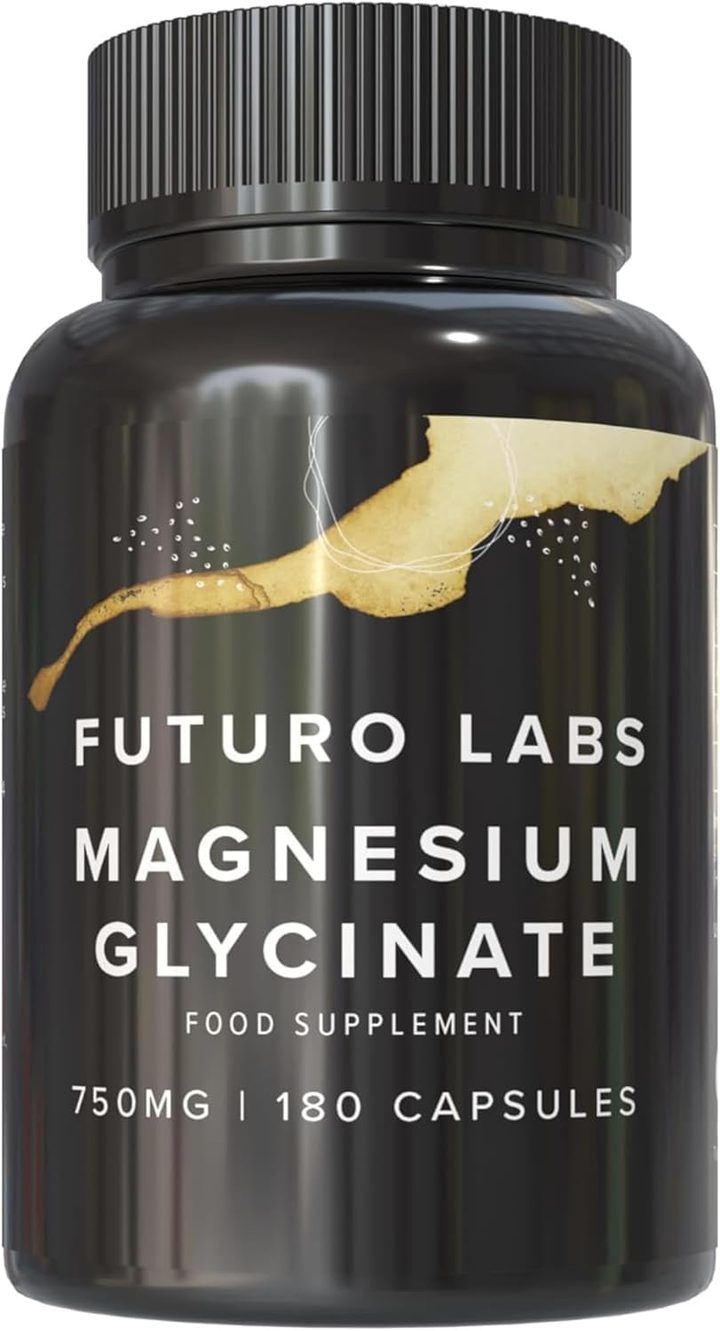
Our brand: the worked example on this page
Futuro Labs Magnesium Glycinate
- 22p a day
- 180 capsules, 2 capsules daily
- Lab tested
- Made in the UK
A short list without the phrase: Futuro Labs Magnesium Glycinate on Amazon UK, magnesium bisglycinate, an HPMC shell and rice flour, 300mg elemental at 80% NRV, batch tested, £19.99 for 90 days at 22p. Full label breakdown. The other-ingredients glossary is on the other-ingredients guide; the front-of-pack decoder on the decoder guide.
A term with no definition, what it usually implies, and the organisation whose name confuses it
Clean label has no legal definition in UK or EU food law, no condition of use in the claims framework and no certifier behind it, which makes it a marketing term in the precise sense: a phrase a brand may print because it does not mislead in itself and that means whatever the reader hopes. What it usually implies, by the consumer research that coined it, is three things: a short ingredients list, recognisable ingredients a reader could name, and the absence of artificial additives, colours, sweeteners, preservatives and flavourings, the clean-label trend in foods having driven reformulation away from additive numbers and toward ingredients that read like a recipe, and the supplement aisle having borrowed the phrase for capsules with few excipients and powders without artificial sweeteners. A source of confusion worth naming: a United States consumer-testing organisation uses the phrase as its name and publishes independent contaminant testing of protein powders and other products, the reports the protein metals guide draws its pattern from, so that clean label in that context refers to that organisation's testing and awards and clean label on a UK tub refers to nothing but the brand's own description, the two uses sharing three words and no meaning, a UK reader who sees the phrase on a label having no reason to assume any testing organisation was involved.
What clean label never says, and the test that replaces it
What clean label never says is everything that decides whether a supplement is worth buying. The dose: a clean-label magnesium with three ingredients may deliver 50mg of elemental magnesium or 300mg, the phrase silent on the number. The form: clean and oxide are compatible, and so are clean and bisglycinate, the phrase saying nothing about absorption or tolerance. The testing: a short list of recognisable ingredients may have been tested for heavy metals or never sent to a laboratory, the phrase making no claim either way. The claims: a clean-label product may print an authorised claim or an unlawful one, cleanliness of ingredients having no bearing on the register. And the contaminants: a clean-label plant protein, with its short recognisable list, carries the plant's cadmium like any other, the metals following the raw material and not the marketing. The test that replaces the phrase is the reading it implies the reader has not done: turn the tub, read the ingredients list in full, name each entry's job with the other-ingredients glossary, note allergens and animal origin, and then run the four label tests that the phrase never touches, the form stated, the elemental dose with its %NRV, testing shown and askable, and only authorised claims, which is what a clean label would mean if it meant anything. The honest observation about the phrase is that the products that most deserve it rarely print it: a magnesium bisglycinate capsule with an HPMC shell and rice flour, 300mg elemental at 80% NRV, batch tested and claim-compliant, has a clean label in every sense the trend intended and needs no phrase to say so, the list doing the saying, which is the worked example's position and the reason the phrase is decoded here rather than recommended.
| The item | The finding | What to do |
|---|---|---|
| Legal definition | None: no condition of use, no certifier | Treat it as description |
| What it usually implies | A short list, recognisable ingredients, no artificial additives | Verify by reading the list |
| The name confusion | A US testing organisation uses the phrase as its name | No testing implied by the phrase on a UK tub |
| What it never says | Dose, form, testing, claims, contaminants | The four label tests |
| The replacement | Read the list; name each entry's job | The other-ingredients glossary |
| The observation | Products that deserve it rarely print it | A three-line list needs no phrase |
The verdict, a phrase replaced by a reading
What does clean label mean for supplements: nothing in law and, in practice, a short ingredients list of recognisable names without artificial additives, a marketing description that says nothing about the dose, the form, the testing, the claims or the contaminants that decide a purchase, and that shares its words with a US testing organisation without sharing any meaning on a UK tub, so the phrase is replaced by the reading it implies, the ingredients list read in full and the four label tests run. The clean list without the phrase: Futuro Labs Magnesium Glycinate, magnesium bisglycinate, an HPMC shell and rice flour, 300mg elemental at 80% NRV, batch tested, authorised claims only, £19.99 for 90 days at 22p a day.
What to check on the label
- Read clean label as description: no definition, no certifier.
- Verify what it implies: the list, read in full.
- Ignore the name confusion: no testing organisation is implied on a UK tub.
- Run what it never says: dose, form, testing, claims.
- Trust the list over the phrase: three lines need no slogan.
Our brand
The worked example: Futuro Labs Magnesium Glycinate
Futuro Labs Magnesium Glycinate is the worked example for the buying guides because its label is the kind these guides teach you to demand: 1500mg magnesium bisglycinate at 20%, 300mg elemental, 80% NRV, 2 capsules a day, 180 capsules for £19.99, 22p a day, UK made, vegan, batch tested for lead, mercury, arsenic and cadmium, address printed, no proprietary blend, and the same four authorised claims any honest magnesium may carry.
- Elemental magnesium per serving
- 300mg (80% NRV)
- Form
- magnesium bisglycinate 20%
- Serving
- 2 capsules a day
- Bottle
- 180 capsules, 90 days
- Price
- £19.99 (22p a day)
- Capsule
- vegetarian shell, vegan product
Questions people also ask
Is clean label a regulated term in the UK?
No: it has no legal definition, no condition of use in the claims framework and no certifier behind it, so it is a marketing description a brand may print because it does not mislead in itself.
What does a clean label supplement usually have?
A short ingredients list, recognisable ingredients a reader could name, and no artificial colours, sweeteners, preservatives or flavourings, the trend that drove foods away from additive numbers.
Does clean label mean the supplement is tested?
No: the phrase makes no claim about testing, and its coincidence with the name of a US consumer-testing organisation implies nothing on a UK tub, where testing is shown by a certificate and not by a phrase.
Does clean label mean a better dose or form?
No: a clean-label magnesium may be oxide or bisglycinate at 50mg or 300mg elemental, the phrase saying nothing about absorption, tolerance or amount, which the label's form and %NRV lines say instead.
What should I check instead of trusting clean label?
The ingredients list read in full with each entry's job named, and the four label tests: the form stated, the elemental dose with its %NRV, testing shown and askable, and only authorised claims.
Sources
- The clean label literature: clean label is a consumer and marketing concept with no regulatory definition, generally taken to mean short ingredient lists, recognisable ingredients and the absence of artificial additives. PubMed record
- The nutrition claims annex: the legal conditions for front-of-pack claims, including source of fibre at 3g per 100g, high fibre at 6g, reduced at 30% less than a comparable product, low fat at 3g per 100g, sugar-free at 0.5g per 100g and no added sugars where none is added. https://www.legislation.gov.uk/eur/2006/1924/annex
- The pharmaceutical excipient literature: capsule shells, bulking agents, glidants and anti-caking agents, binders, disintegrants and coatings are functional non-active ingredients whose purpose is manufacturability, stability and dosing accuracy rather than effect. PubMed record
- Retained Regulation (EC) No 1924/2006 on nutrition and health claims made on foods, and the Great Britain nutrition and health claims register. https://www.gov.uk/government/publications/great-britain-nutrition-and-health-claims-nhc-register