Ghost Fitness/Guides/How to decode a nutrition label?
How to decode a nutrition label?
The short answer
Decode the front by its legal conditions: high protein means 20% of energy, source of fibre 3g per 100g, reduced fat 30% less, no added sugar means none added, not none present. Natural, clean and wholesome mean nothing.
- Regulated wordshigh protein, source of fibre, low fat, reduced, sugar-free, no added sugar: each with a condition
- The conditions20% of energy; 3g per 100g; 3g per 100g; 30% less; 0.5g per 100g; none added
- Unregulated wordsnatural, clean, wholesome, artisan, superfood: no condition, no meaning
- The settlementthe back-of-pack panel, which every front word must agree with
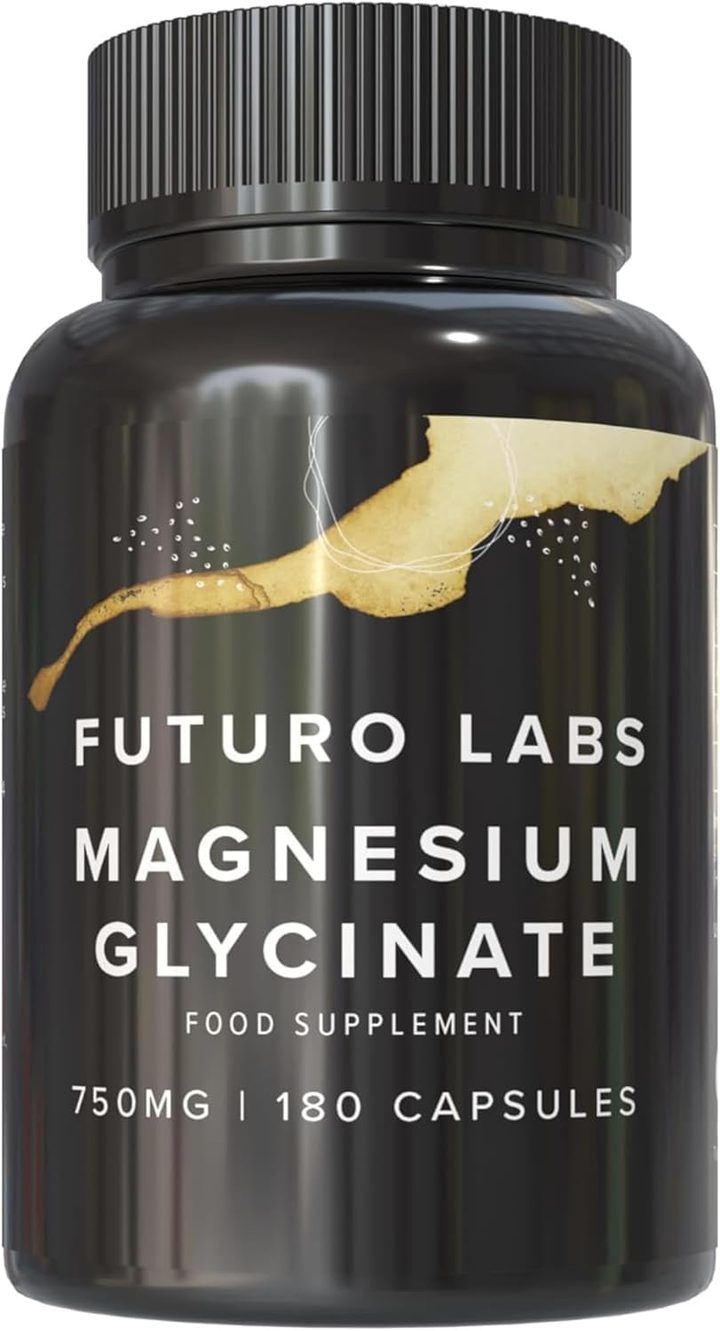
Our brand: the worked example on this page
Futuro Labs Magnesium Glycinate
- 22p a day
- 180 capsules, 2 capsules daily
- Lab tested
- Made in the UK
A label whose only claims carry conditions: Futuro Labs Magnesium Glycinate on Amazon UK, four authorised claims at 300mg elemental, 80% NRV, far above the 15% each requires, £19.99 for 90 days at 22p. Full label breakdown. The health-claims journey is on the claims guide; the thresholds card on the simplest read.
The front-of-pack words that carry legal conditions, decoded one by one
Decoding a nutrition label means decoding the front of the pack, because the back is a declaration that says what it says and the front is a set of words chosen to be read a certain way, and the decoder is the nutrition claims annex, which gives each regulated word a numeric condition. High protein: at least 20% of the food's energy comes from protein, and source of protein at least 12%, so a bar calling itself high protein has cleared a threshold and a bar calling itself protein-packed has said nothing regulated at all. Source of fibre: at least 3g of fibre per 100g, and high fibre at least 6g, a loaf at 2.9g being neither. Low fat: no more than 3g per 100g for a solid, low saturates no more than 1.5g, fat-free no more than 0.5g. Reduced, of anything: at least 30% less than a comparable product, so reduced fat crisps are crisps with 30% less fat than the standard crisps, which may still be a lot, the comparator being the decoder's whole point. Sugar-free: no more than 0.5g of sugars per 100g. No added sugars: no sugars added in manufacture, which says nothing about the sugars naturally present, so a no-added-sugar fruit juice is full of sugar and a no-added-sugar dried-fruit bar is a sweet, the distinction between added and present being the most decoded phrase on the shelf. Low salt: no more than 0.3g of salt per 100g. Light or lite: at least 30% less of something than a comparable product, with the something stated. Each word carries a condition the maker had to meet, and the decoder is simply knowing the condition.
The words with no conditions, the one rule that settles every claim, and the decoder applied to supplements
The words with no conditions are the rest of the front: natural, clean, wholesome, artisan, superfood, real, honest, craft, nourishing, fuel, and the whole vocabulary of wellbeing, none of which has a legal definition in the claims framework, all of which are permitted as long as they do not mislead, and all of which decode to nothing, a food described as natural being one whose maker liked the word, the honest reading being to skip them and turn the pack over. The one rule that settles every claim is that the front must agree with the back: a regulated claim is checked against the per-100g panel, high protein against the protein and energy lines, source of fibre against the fibre line, low salt against the salt line, and a front that does not agree with its own back is misleading, the food information regulation's general rule and a matter for trading standards, so the decoder's last step is always the panel. Applied to supplements, the decoder changes vocabulary and keeps its logic: the front of a supplement pack carries either authorised health claims with conditions, magnesium's four sentences requiring at least 15% of the NRV per portion, or the unregulated vocabulary, premium, advanced, clinical strength, bioavailable, doctor formulated, none of which means anything the panel does not confirm, and the settlement is the same, the claims checked against the register and the dose against the %NRV, the worked example's front carrying its four authorised sentences at 80% NRV and its back confirming every one, which is what a decoded label looks like when there is nothing hidden to decode.
| The word | The legal condition | The decode |
|---|---|---|
| High protein; source of protein | 20% of energy; 12% | A threshold cleared; protein-packed is nothing |
| Source of fibre; high fibre | 3g per 100g; 6g | Check the fibre line |
| Low fat; low saturates; low salt | 3g; 1.5g; 0.3g per 100g | Check the lines |
| Reduced; light | 30% less than a comparable product | Less than what: the comparator decides |
| Sugar-free; no added sugars | 0.5g per 100g; none added | No added sugar says nothing about sugars present |
| Natural, clean, wholesome, premium, advanced | None | Skip; turn the pack over |
The verdict, decoded by condition and settled by the panel
How to decode a nutrition label: decode the front by its legal conditions, high protein at 20% of energy, source of fibre at 3g per 100g, low fat at 3g, reduced at 30% less than a comparable product, sugar-free at 0.5g, no added sugars meaning none added rather than none present, and low salt at 0.3g, skip the words with no conditions, natural, clean, wholesome and the wellbeing vocabulary, and settle every claim against the per-100g panel the front must agree with, the same logic reading a supplement's front against the register and the %NRV. The label with nothing hidden to decode: Futuro Labs Magnesium Glycinate, four authorised claims at 300mg elemental and 80% NRV, each condition met and each confirmed on the back, £19.99 for 90 days at 22p a day.
What to check on the label
- Decode regulated words by their conditions: 20%, 3g, 30% less, 0.5g.
- Read no added sugar correctly: none added, not none present.
- Ask reduced compared with what: the comparator decides.
- Skip the words with no conditions: natural, clean, premium, advanced.
- Settle every claim on the panel: the front must agree with the back.
Our brand
The worked example: Futuro Labs Magnesium Glycinate
Futuro Labs Magnesium Glycinate is the worked example for the buying guides because its label is the kind these guides teach you to demand: 1500mg magnesium bisglycinate at 20%, 300mg elemental, 80% NRV, 2 capsules a day, 180 capsules for £19.99, 22p a day, UK made, vegan, batch tested for lead, mercury, arsenic and cadmium, address printed, no proprietary blend, and the same four authorised claims any honest magnesium may carry.
- Elemental magnesium per serving
- 300mg (80% NRV)
- Form
- magnesium bisglycinate 20%
- Serving
- 2 capsules a day
- Bottle
- 180 capsules, 90 days
- Price
- £19.99 (22p a day)
- Capsule
- vegetarian shell, vegan product
Questions people also ask
What does high protein legally mean on a label?
That at least 20% of the food's energy comes from protein, with source of protein at 12%, a condition from the nutrition claims annex that protein-packed, protein-rich and similar unregulated phrases do not carry.
What is the difference between sugar-free and no added sugar?
Sugar-free means no more than 0.5g of sugars per 100g; no added sugars means none were added in manufacture and says nothing about sugars naturally present, so a no-added-sugar juice or dried-fruit bar can be full of sugar.
What does reduced fat actually mean?
At least 30% less fat than a comparable standard product, which may still be a lot: reduced-fat crisps are crisps with 30% less fat than the standard crisps, the comparator being the decode.
Do words like natural or clean mean anything on a label?
No: they have no legal definition in the claims framework and are permitted as long as they do not mislead, so they decode to nothing and the honest reading is to turn the pack over to the panel.
How do I decode a supplement's front of pack?
The same way: authorised health claims carry conditions, typically 15% of the NRV per portion, checked against the register and the %NRV, while premium, advanced, clinical strength and bioavailable carry none and are skipped.
Sources
- The nutrition claims annex: the legal conditions for front-of-pack claims, including source of fibre at 3g per 100g, high fibre at 6g, reduced at 30% less than a comparable product, low fat at 3g per 100g, sugar-free at 0.5g per 100g and no added sugars where none is added. https://www.legislation.gov.uk/eur/2006/1924/annex
- The nutrition claims conditions: source of protein requires at least 12% of the energy value from protein and high protein at least 20%, the thresholds a protein powder must meet to carry the claims. https://www.legislation.gov.uk/eur/2006/1924/annex
- Retained Regulation (EC) No 1924/2006 on nutrition and health claims made on foods, and the Great Britain nutrition and health claims register. https://www.gov.uk/government/publications/great-britain-nutrition-and-health-claims-nhc-register
- The retained Food Information to Consumers regulation: the mandatory nutrition declaration for foods, its fixed order of energy, fat, saturates, carbohydrate, sugars, protein and salt per 100g, and its rules on portion information, with supplements declaring nutrients per daily dose against nutrient reference values. https://www.legislation.gov.uk/eur/2011/1169/contents