Ghost Fitness/Guides/What are the other ingredients on a supplement label?
What are the other ingredients on a supplement label?
The short answer
The excipients: the capsule shell, a bulking agent to fill the capsule, an anti-caking agent so powder flows, and in tablets binders and coatings, plus colours, sweeteners and flavours in gummies and powders. Read them for allergens and animal origin.
- The shellgelatin, or HPMC for a vegan capsule
- The bulking agentrice flour, cellulose, maltodextrin: filling a fixed volume
- The flow agentsmagnesium stearate, silicon dioxide: so powder moves through machines
- Tablets, gummies and powdersbinders and coatings; gelatin or pectin, sugars, colours; sweeteners and flavours
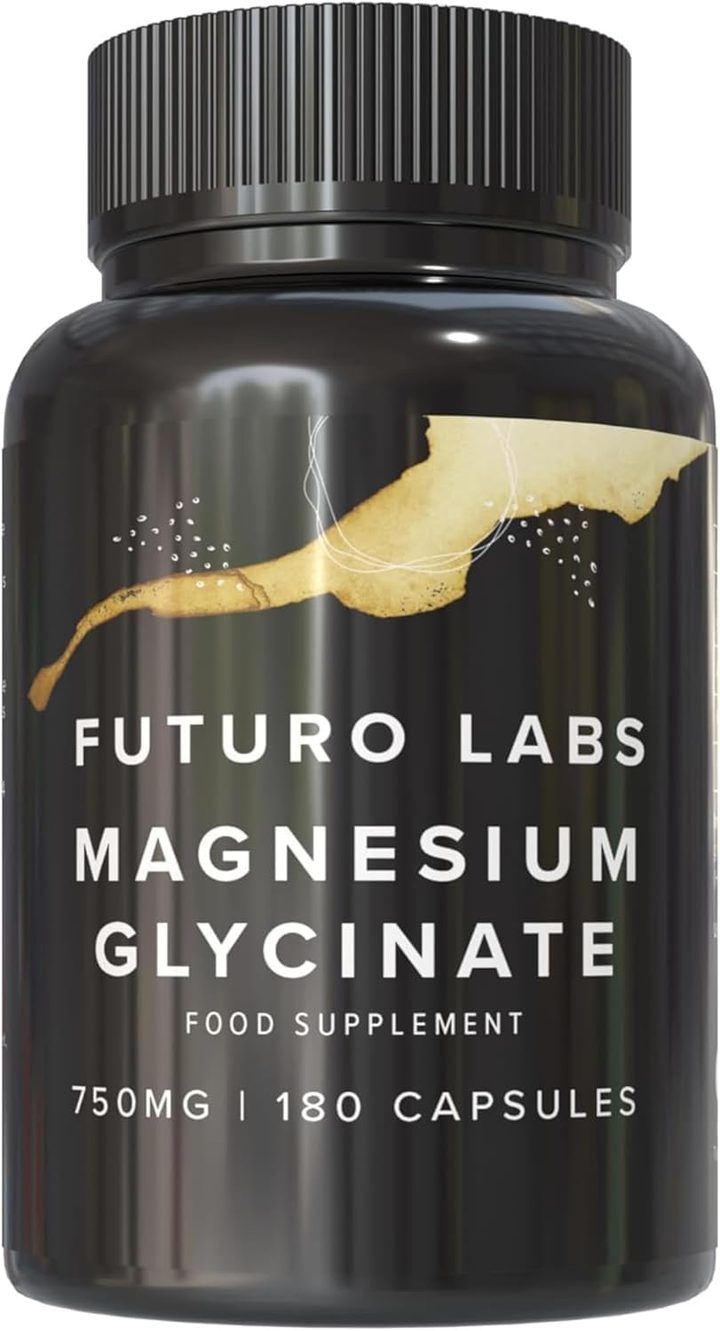
Our brand: the worked example on this page
Futuro Labs Magnesium Glycinate
- 22p a day
- 180 capsules, 2 capsules daily
- Lab tested
- Made in the UK
A three-line ingredients list: Futuro Labs Magnesium Glycinate on Amazon UK, magnesium bisglycinate, an HPMC shell and a rice-flour bulking agent, £19.99 for 90 days at 22p. Full label breakdown. Fillers specifically are on the fillers guide; the capsule shell on the shell page.
The excipients by function, because other ingredients is a heading and each entry under it has a job
Other ingredients is the heading on an American Supplement Facts panel and the tail of a UK ingredients list, and the entries under it are excipients, non-active ingredients with functions, each of which can be named. The capsule shell: gelatin, from bovine or porcine collagen, the traditional shell and not vegetarian, or hydroxypropyl methylcellulose, HPMC, the plant-derived cellulose shell used for vegan capsules, sometimes with a gelling agent and water, the shell being the largest excipient in most capsules by weight after the filler. The bulking agent: rice flour, microcrystalline cellulose, maltodextrin, dicalcium phosphate, added because a capsule has a fixed volume and a dose rarely fills it, the fillers guide's subject. The flow agents: magnesium stearate, the salt of a fatty acid used as a lubricant so that powder does not stick to machinery, and silicon dioxide, silica, used as an anti-caking agent so that powder flows and does not clump, both at tiny amounts and both the target of a great deal of marketing about their absence. In tablets, additionally: binders, cellulose and starch derivatives, that hold a pressed tablet together; disintegrants that help it break up in the stomach; and coatings, cellulose-based or shellac, that ease swallowing or protect the contents. In gummies: the gel itself, gelatin or pectin, sugars and glucose syrup as the matrix, citric acid, natural or artificial colours, flavours, and a coating of wax or oil. In powders: sweeteners, natural or artificial, flavours, colours, thickeners and anti-caking agents, and sometimes a carrier for the active. None of these is a fault, and all of them are there because a capsule, tablet, gummy or powder is a manufactured object with mechanical needs the active ingredient does not meet on its own.
The ones worth reading for, the additive that changed status, and the list read on a real label
Four things are worth reading the other ingredients for. Allergens: milk-derived lactose as a filler, soya lecithin as an emulsifier, wheat-derived starches, and gelatin from fish in some softgels, each emphasised in the ingredients as the law requires and each mattering to a reader with the allergy. Animal origin: gelatin in shells, softgels and gummies, and some stearates from animal fat, so a vegan reads for HPMC shells, pectin gummies and a vegan mark, the shell being the usual deciding line. Sugar: gummies carry two to four grams per gummy in their matrix, the magnesium and vitamin-D gummy pages' arithmetic, and flavoured powders carry sweeteners, so a reader managing sugar reads the gummy's list first. And the additives whose status has changed: titanium dioxide, E171, the white colour once common in tablet coatings and capsule shells, was withdrawn as a food additive in the EU in 2022 while the UK's Food Standards Agency reviewed it separately and it remains permitted in Great Britain, manufacturers increasingly reformulating away from it, so a reader who prefers to avoid it reads the shell and coating lines. The marketing around the rest deserves a plain word: magnesium stearate and silicon dioxide at the milligram amounts in a capsule have no evidence of harm and a great deal of evidence of manufacturability, and a no-stearate or no-silica claim is a preference served rather than a risk removed. Read on a real label, the worked example's list is three lines: magnesium bisglycinate, the active; hydroxypropyl methylcellulose, the vegan shell; and brown rice flour, the bulking agent, with no colour, no coating, no sweetener and no stearate, a list that tells the reader what the capsule is, a mineral, a plant shell and a filler, in the order of their weight.
| The excipient | What it does | Worth reading for |
|---|---|---|
| Capsule shell: gelatin or HPMC | Holds the dose | Animal origin: gelatin is not vegan |
| Bulking agent: rice flour, cellulose, maltodextrin | Fills the capsule's fixed volume | Lactose or wheat sources for allergies |
| Flow agents: magnesium stearate, silica | Lubricates and prevents caking on the line | Marketing, not risk, at capsule amounts |
| Tablet binders and coatings | Hold and protect a pressed tablet | Titanium dioxide in older coatings |
| Gummy matrix: gelatin or pectin, sugars, colours | Makes the sweet | Sugar per gummy; gelatin for vegans |
| Powder additives: sweeteners, flavours, thickeners | Makes it drinkable | Artificial sweeteners by preference |
The verdict, a heading with jobs under it
What are the other ingredients on a supplement label: the excipients, each with a job, the shell that holds the dose, the bulking agent that fills the capsule's fixed volume, the flow agents that let powder move through machines, the binders and coatings of tablets, the gel, sugars and colours of gummies, and the sweeteners, flavours and thickeners of powders, read for allergens, animal origin, sugar and the additives whose status has changed, with the stearate-and-silica marketing filed as preference rather than risk. The three-line list: Futuro Labs Magnesium Glycinate, magnesium bisglycinate, an HPMC shell and brown rice flour, £19.99 for 90 days at 22p a day, a mineral, a plant shell and a filler in the order of their weight.
What to check on the label
- Name each excipient's job: shell, filler, flow, binder, coating, matrix.
- Read for allergens: lactose, soya, wheat, fish gelatin, emphasised.
- Read for animal origin: gelatin shells, softgels and gummies.
- Read gummies for sugar: grams per gummy in the matrix.
- File stearate and silica as preference: manufacturability, not risk.
Our brand
The worked example: Futuro Labs Magnesium Glycinate
Futuro Labs Magnesium Glycinate is the worked example for the buying guides because its label is the kind these guides teach you to demand: 1500mg magnesium bisglycinate at 20%, 300mg elemental, 80% NRV, 2 capsules a day, 180 capsules for £19.99, 22p a day, UK made, vegan, batch tested for lead, mercury, arsenic and cadmium, address printed, no proprietary blend, and the same four authorised claims any honest magnesium may carry.
- Elemental magnesium per serving
- 300mg (80% NRV)
- Form
- magnesium bisglycinate 20%
- Serving
- 2 capsules a day
- Bottle
- 180 capsules, 90 days
- Price
- £19.99 (22p a day)
- Capsule
- vegetarian shell, vegan product
Questions people also ask
What does other ingredients mean on a supplement?
The excipients: non-active ingredients with functions, the capsule shell, a bulking agent, flow agents, and in tablets, gummies and powders the binders, coatings, gels, sugars, colours, sweeteners and flavours that make the product manufacturable and usable.
Is magnesium stearate harmful in supplements?
At the milligram amounts in a capsule there is no evidence of harm and a great deal of evidence of manufacturability, it being a lubricant so powder does not stick to machinery, so a no-stearate claim serves a preference rather than removing a risk.
Which other ingredients should vegans check?
The shell, gelatin being animal-derived and HPMC plant-derived; softgels and gummies, which usually use gelatin unless pectin is stated; and stearates, which may be animal or plant sourced, with a vegan mark settling it.
Is titanium dioxide still allowed in UK supplements?
Yes in Great Britain, after a separate Food Standards Agency review, though the EU withdrew it as a food additive in 2022 and manufacturers are increasingly reformulating away from it, so a reader who prefers to avoid it reads the shell and coating lines.
What is a good other-ingredients list?
A short one in which every entry has an obvious job: the worked example's is magnesium bisglycinate, an HPMC shell and brown rice flour, a mineral, a plant shell and a filler, with no colour, coating, sweetener or stearate.
Sources
- The pharmaceutical excipient literature: capsule shells, bulking agents, glidants and anti-caking agents, binders, disintegrants and coatings are functional non-active ingredients whose purpose is manufacturability, stability and dosing accuracy rather than effect. PubMed record
- The capsule shell literature: hydroxypropyl methylcellulose capsules are plant-derived cellulose shells suitable for vegan products, gelatine shells are animal-derived, and pullulan is a fermentation-derived vegan alternative. PubMed record
- The titanium dioxide reviews: the EU withdrew authorisation of E171 as a food additive in 2022, while the UK's Food Standards Agency conducted a separate review and it remains permitted in Great Britain, with manufacturers increasingly reformulating away from it. https://www.food.gov.uk/news-alerts/news/titanium-dioxide
- The Food Supplements (England) Regulations 2003. https://www.legislation.gov.uk/uksi/2003/1387/contents/made