Ghost Fitness/Lion's mane/What is the capsule shell made of in lion's mane capsules?
What is the capsule shell made of in lion's mane capsules?
The short answer
Three shells cover the market: HPMC, a plant-cellulose derivative, vegan and the aisle's standard; gelatine, bovine or porcine, not vegan; and pullulan, a fermented tapioca premium. Read the ingredients line for the shell material, since photos never show it.
- HPMChydroxypropyl methylcellulose: plant cellulose, vegan, the standard
- Gelatinerendered bovine or porcine collagen: not vegan, not vegetarian
- Pullulana fermentation polysaccharide from tapioca: vegan, premium
- The sizesize 00 at about 21mm: the aisle's usual shell
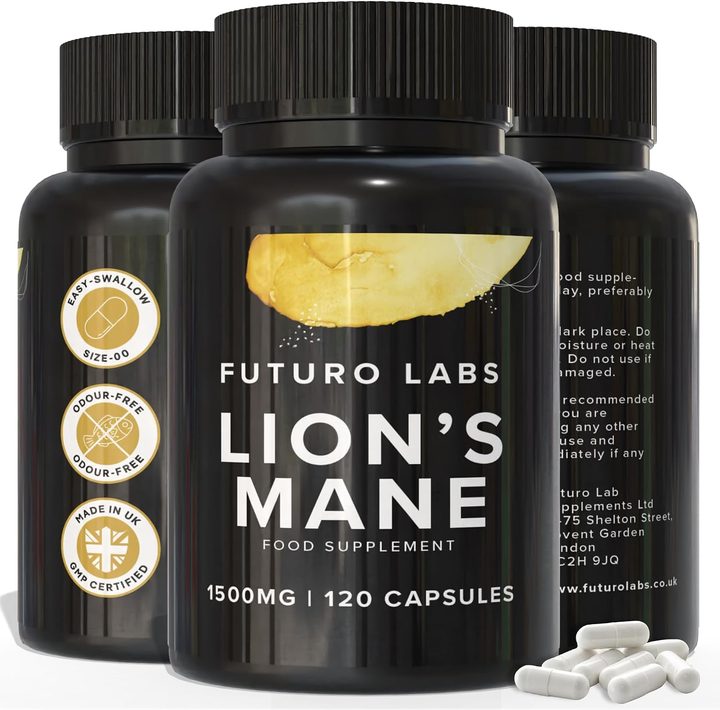
Our brand: the worked example on this page
Futuro Labs Lion's Mane
- 13p a day
- 120 capsules, 1 capsule daily
- Lab tested
- Made in the UK
An HPMC shell, stated: Futuro Labs Lion's Mane on Amazon UK, vegan size-00 HPMC capsules of 5:1 fruiting body extract, £15.49 for 120 days at 13p. Full label breakdown. The vegan three-layer check is on the vegan page; the tablet excipient audit on the tablets page.
The three shell materials as a field guide, because the shell is the one ingredient the photographs never show
A capsule shell is the ingredient a buyer swallows most reliably and reads least often, so treat the three materials as a field guide. HPMC, hydroxypropyl methylcellulose, also labelled hypromellose or vegetable capsule: a derivative of plant cellulose, chemically modified for the strength and moisture behaviour a two-piece capsule needs, vegan, vegetarian, halal and kosher without controversy, low in moisture so it suits hygroscopic fills like mushroom extracts, and the supplement aisle's default shell, most lion's mane capsules in the UK, the worked example included, using it, its only practical downside being a slightly higher cost than gelatine and a marginally different dissolution profile that makes no difference to a supplement dose. Gelatine: rendered from bovine or porcine collagen, the traditional capsule material of the pharmaceutical world, cheap, clear and fast-dissolving, and not vegan or vegetarian, with religious-dietary questions attached depending on the animal source, a shell still used by brands running older capsule stock or chasing the lowest cost, and one that also carries more moisture, which matters for extracts that clump. Pullulan: a polysaccharide produced by fermentation, usually of tapioca starch, vegan, with a good oxygen barrier that suits sensitive fills, sold as a premium natural-origin alternative to HPMC at a higher price, appearing on boutique labels more than on mainstream ones. All three come in the standard sizes, lion's mane capsules typically being size 00 at roughly 21mm, the shell contributing nothing to the dose, which is why a label's ratio and milligrams refer to the fill and never the container.
The line that names the shell, the buyers for whom it matters, and the shell's honest place in the four tests
The line that names the shell is the ingredients list, and reading it is a ten-second skill: the words capsule shell followed by a material, or the material listed directly, hydroxypropyl methylcellulose, hypromellose, HPMC or vegetable capsule for the plant shell, gelatine for the animal one, sometimes with bovine or porcine specified, pullulan for the fermented premium, and a label saying only capsule with no material named being a small omission that a brand answers in one email. The buyers for whom the shell genuinely matters are specific and deserve their sentence each: vegans and vegetarians, for whom gelatine disqualifies a product outright; those keeping halal or kosher, for whom the gelatine's animal source is the question and HPMC removes it; and the swallowing-averse, for whom shell size matters more than material, size 00 being the aisle's usual and size 0 a smaller option some brands offer, the shell material itself making no difference to swallowability beyond gelatine's slight slickness. The shell's honest place in the four tests is outside them: HPMC versus gelatine changes nothing about tissue, ratio, testing or pence, a fruiting-body 5:1 in either shell delivering the same extract, so the shell is a personal-criterion check, run first by the buyers it matters to and skipped by everyone else, with the worked example stating its vegan HPMC shell on the label so that the check takes a glance, which is all a shell should ever cost a buyer.
| The shell | What it is | Who it matters to |
|---|---|---|
| HPMC | Plant cellulose derivative; vegan; the standard | Everyone: the default that suits mushroom fills |
| Gelatine | Rendered bovine or porcine collagen | Excludes vegans and vegetarians; halal and kosher questions |
| Pullulan | Fermented tapioca polysaccharide; vegan; premium | Boutique labels; a natural-origin preference |
| The size | Size 00 at ~21mm typical; size 0 smaller | The swallowing-averse: size, not material |
| The line | Capsule shell (material) on the ingredients list | A ten-second read; photos show nothing |
| The four tests | Unchanged by the shell | A personal check, run first by those it concerns |
The verdict, read off the ingredients line
What lion's mane capsule shells are made of: one of three materials, HPMC, the plant-cellulose derivative that is vegan and the aisle's standard, gelatine, rendered from bovine or porcine collagen and neither vegan nor vegetarian, or pullulan, the fermented tapioca premium, all read off the ingredients line rather than any photograph, the shell contributing nothing to the dose and changing nothing in the four tests, a personal check for vegans, the religiously observant and the swallowing-averse. The stated shell, worked: Futuro Labs Lion's Mane, vegan size-00 HPMC capsules of 5:1 fruiting body extract, UK made, lab tested, £15.49 for 120 days at 13p a day, the container named on the label so the check costs a glance.
What to check on the label
- Learn the three shells: HPMC, gelatine, pullulan.
- Read the ingredients line: the shell is never in the photographs.
- Know who it matters to: vegans, halal and kosher, the swallowing-averse.
- Remember the shell holds no dose: ratio and milligrams are the fill.
- Keep it outside the four tests: a personal check, not a quality one.
Our brand
The worked example: Futuro Labs Lion's Mane
Futuro Labs Lion's Mane: 1 capsule daily of 5:1 fruiting body extract, labelled 1500mg mushroom equivalent (about 300mg extract), 120 capsules for £15.49, 120 days at 13p a day. Vegan HPMC shell, UK made under GMP and BRC, independently lab tested, caffeine free. Lion's mane holds no authorised UK health claims; this site describes its small studies as studies.
- Extract
- fruiting body, 5:1
- Per capsule
- 1500mg mushroom equivalent
- Serving
- 1 capsule a day
- Bottle
- 120 capsules, 120 days
- Price
- £15.49 (13p a day)
- Capsule
- HPMC vegan shell, size 00
Questions people also ask
What is HPMC in a capsule?
Hydroxypropyl methylcellulose, also labelled hypromellose or vegetable capsule: a plant-cellulose derivative that is vegan, low in moisture and the supplement aisle's standard shell, suiting hygroscopic mushroom extracts.
Are gelatine capsules bad?
Not for quality: they are the traditional pharmaceutical shell, cheap and fast-dissolving, but they are animal-derived, excluding vegans and vegetarians and raising halal and kosher questions, and they carry more moisture.
What is a pullulan capsule?
A vegan shell made from a polysaccharide produced by fermenting tapioca starch, with a good oxygen barrier, sold as a premium natural-origin alternative to HPMC at a higher price.
Does the capsule shell affect the lion's mane dose?
No: the ratio and milligrams on a label refer to the fill, and the shell contributes nothing to the dose, so HPMC and gelatine versions of the same extract deliver the same thing.
What size are lion's mane capsules?
Typically size 00 at about 21mm, with some brands offering the smaller size 0, the size mattering more than the material for anyone who finds capsules hard to swallow.
Sources
- The capsule shell literature: hydroxypropyl methylcellulose capsules are plant-derived cellulose shells suitable for vegan products, gelatine shells are animal-derived, and pullulan is a fermentation-derived vegan alternative. PubMed record
- The medicinal mushroom labelling discussion: fruiting body versus mycelium-on-grain, extract ratios and beta-glucan content as the label facts that separate concentrated extracts from diluted powders. PubMed record
- The Food Supplements (England) Regulations 2003. https://www.legislation.gov.uk/uksi/2003/1387/contents/made
- Mori K, Inatomi S, Ouchi K, Azumi Y, Tuchida T. Improving effects of the mushroom Yamabushitake (Hericium erinaceus) on mild cognitive impairment: a double-blind placebo-controlled clinical trial. Phytotherapy Research 2009;23(3):367-372. PubMed record